
Last updated November 15, 2026
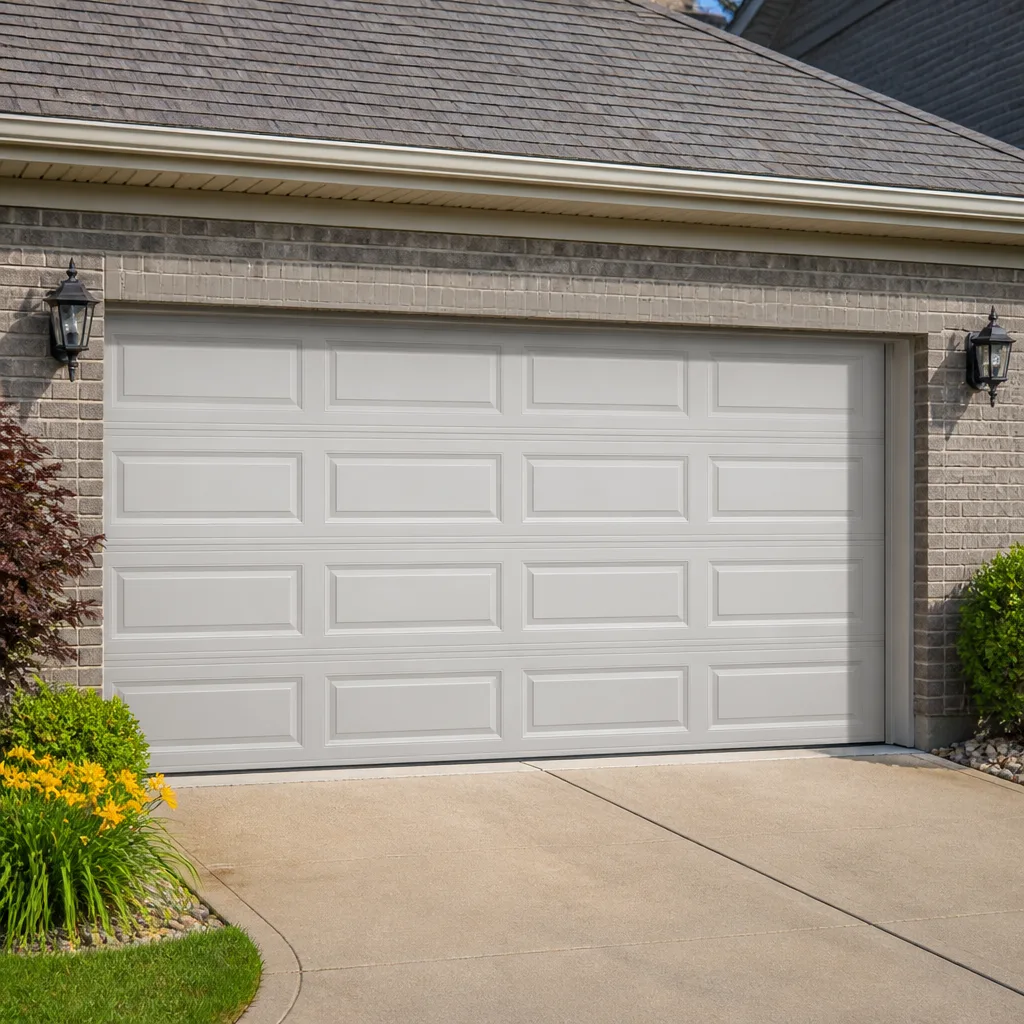 Raised-panel steel
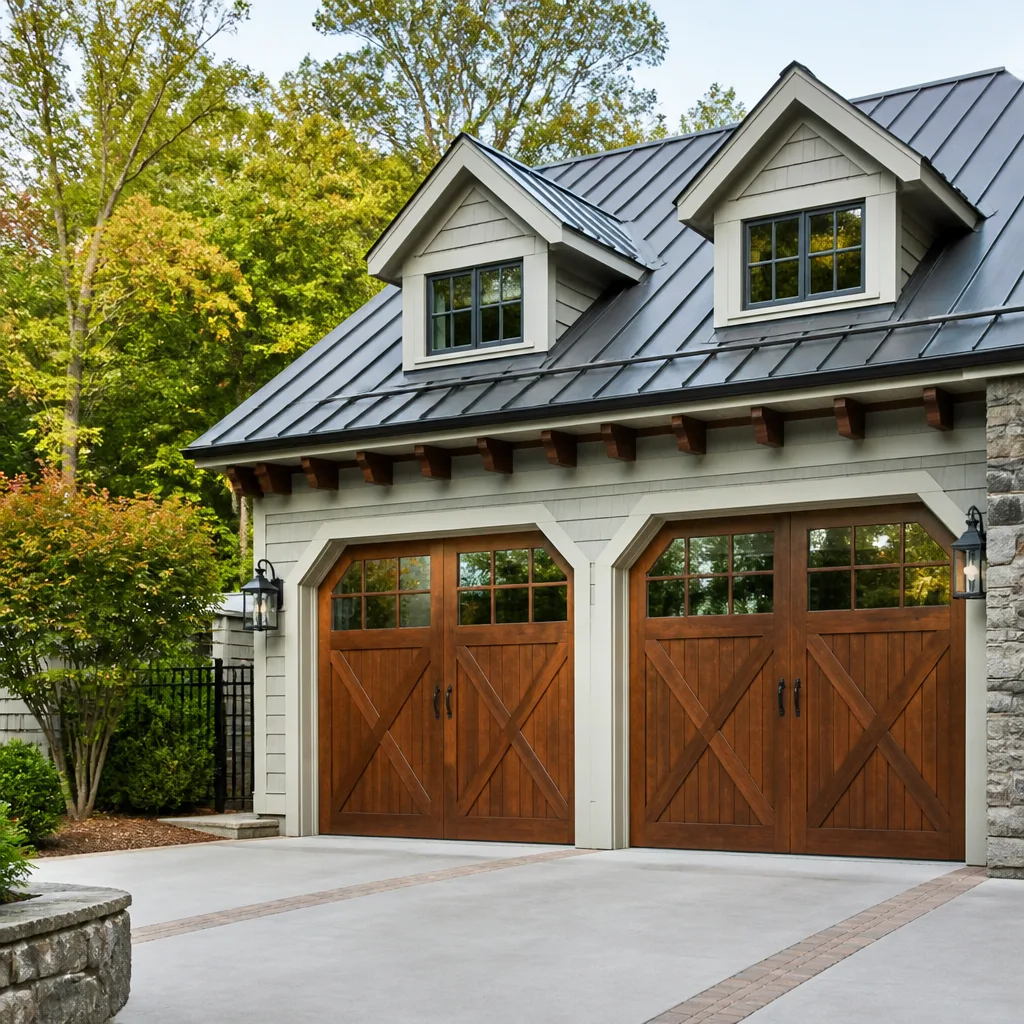 Carriage house
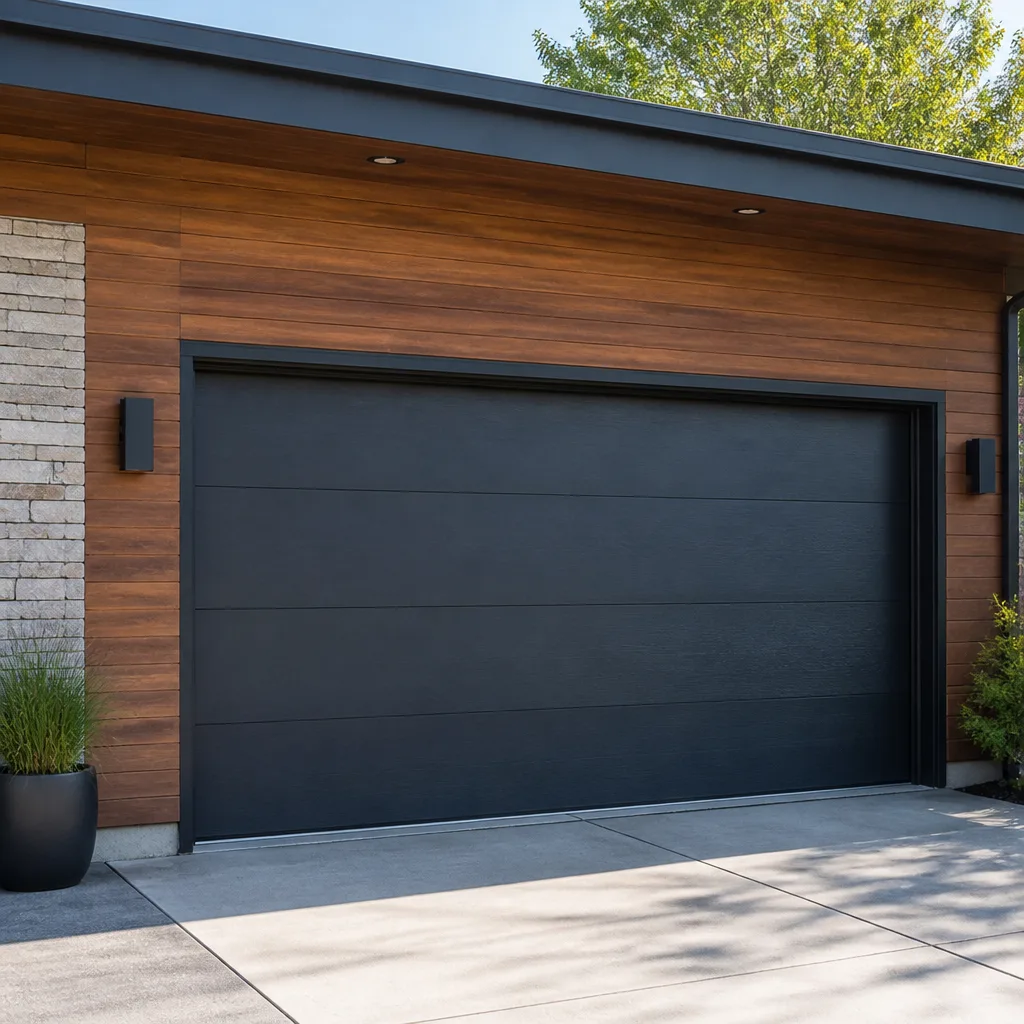 Modern flush
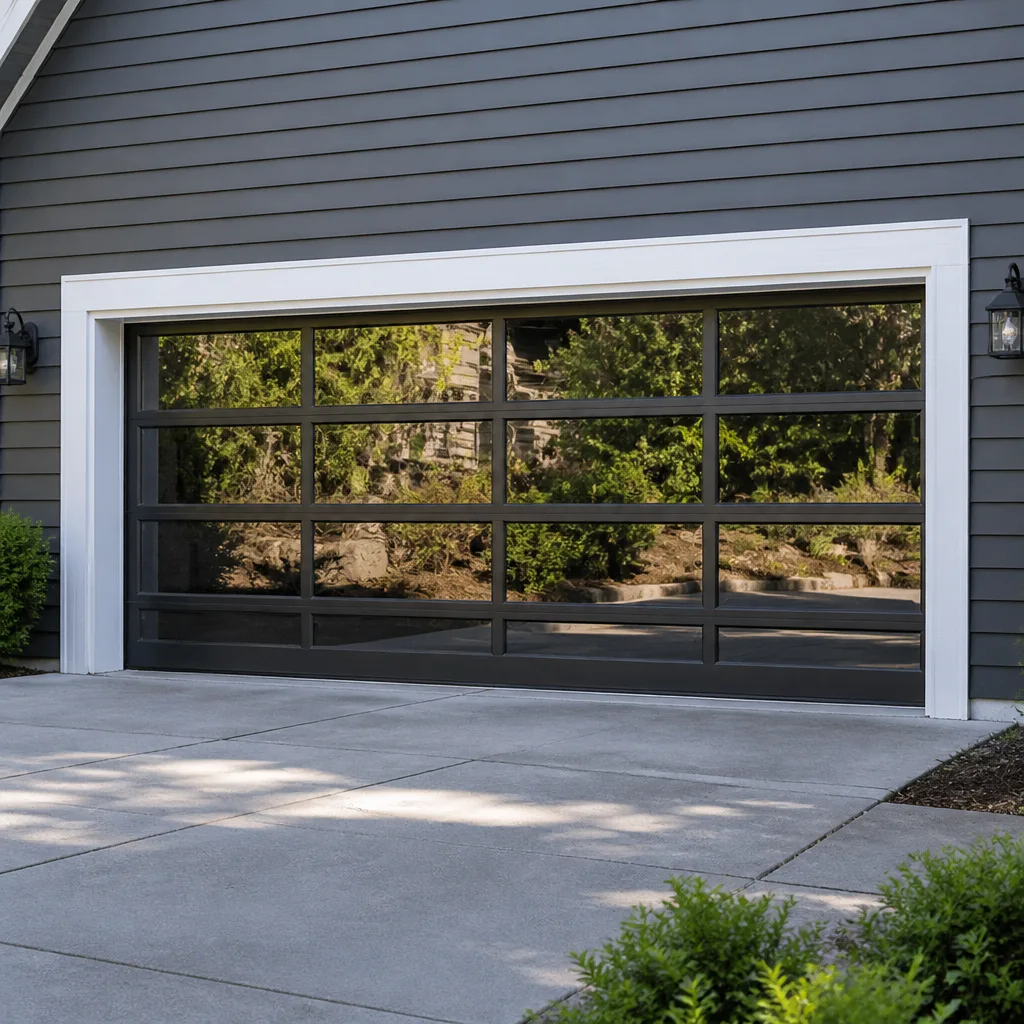 Full-view glass
 LiftMaster openers
 Chamberlain openers
Full 25-point door and opener safety check with every visit - springs, cables, rollers, tracks, and your LiftMaster or Chamberlain opener included
You get a price before we start. It does not change when the pro arrives.
Get your free estimateGarage Door Permits, Codes & Inspections in Edison, NJ: What You Need to Know
Most Edison homeowners assume a garage door swap needs a permit. In most cases it doesn’t. That’s the counterintuitive part, and it’s where people get tripped up in both directions – some over-permit a simple like-for-like replacement, and others skip the paperwork on a job that genuinely needed it. Edison Township’s building department draws a clear line between swapping a door and changing the structure, the opening size, or the electrical circuit behind a new opener. This guide walks through where that line sits under the New Jersey Uniform Construction Code, what “like-for-like” actually means, the fire-rating rule that catches people mid-renovation, and how unpermitted work surfaces years later at a home sale.
Quick Answer
In Edison, NJ, a like-for-like garage door replacement – same size, same opening, same material, no structural changes – typically does not require a building permit. You do need a permit, or at least a call to the Edison building department to confirm, when the work changes the door’s dimensions, alters the structural header or framing, adds a new electrical circuit for an opener, or involves a door that separates the garage from living space and must meet a fire rating. When in doubt, ask Edison Township’s building department directly before the first tool comes out.
Styles & brands we work with
- Raised-panel steel
- Carriage house
- Modern flush
- Full-view glass
- LiftMaster openers
- Chamberlain openers
Table of Contents
- When does garage door work need a permit in Edison, NJ?
- What does “like-for-like replacement” actually mean?
- Which common upgrades pull a job out of the no-permit category?
- Why the fire-rating rule surprises Edison homeowners
- How the inspection process works, start to finish
- How unpermitted work surfaces at a home sale
- What to ask your contractor before work begins
- Common mistakes to avoid
When does garage door work need a permit in Edison, NJ?
Garage door work needs a permit in Edison when it changes the structure, the opening, or the electrical system serving the door. A straight swap of a worn door for a new one of the same size and configuration, in the same opening, with no framing or electrical changes, generally falls outside the permit requirement. The dividing line is whether the work is a maintenance replacement or a construction project.
Under the New Jersey Uniform Construction Code, building permits apply to structural alterations, changes of use, and new construction. Replacing a component with an identical one is treated as maintenance. Replacing a component with something different – a wider door, a taller door, a heavier door that needs a re-rated torsion system, a door in a wall where there wasn’t one – is treated as construction. That’s the short version of a rule that fits on a napkin but has a lot of edges in practice.
Here’s how the categories usually break down:
- Usually no permit: same-size door replacement, spring and cable replacement, roller and hinge replacement, track alignment, opener replacement of an existing unit on an existing circuit.
- Usually needs a permit: enlarging or reducing the opening, cutting a new opening in a wall, modifying the structural header, changing the door type in a way that changes the load path, adding a new electrical circuit for an opener.
- Needs a call to the department first: any door that shares a wall with living space, any door in a townhome or attached unit where fire separation applies, and any job where the existing framing isn’t sound.
The reason this comes up so often in Edison is the housing stock. Large parts of the township were built in defined waves – the older neighborhoods closer to the train line, the mid-century ranches and splits further out, the newer subdivisions off Route 1 and Route 27. Each wave used different header sizing and different door opening standards. When a homeowner in Edison wants a taller door to fit an SUV, the framing question comes first, and the permit question follows it. Precision matters when your garage door is the front door – and the door won’t fit a new opening just because the driveway is wide enough.
What does “like-for-like replacement” actually mean?
A like-for-like replacement means the new door matches the old door in every dimension and load characteristic that the code cares about. Same width. Same height. Same rough opening. Same track configuration. Same counterbalance type. Same wall penetration points. If all of those are true, the work is a maintenance swap. If any one of them changes, it’s a construction project that touches the building envelope, the structure, or both.
This matters because “like-for-like” gets used loosely in conversation. A homeowner might say they want “the same door” and mean “a door that fits the hole and looks similar.” A contractor might hear “the same door” and confirm it as like-for-like without checking whether the existing opening is nominal or actual. Those are different things. Old doors in Edison’s older homes aren’t always the size the tape measure says once you account for settling, trim buildup, and past repairs. We check the actual opening, not the label on the old door, before calling anything like-for-like.
Here are the dimensions that have to match for a job to qualify:
- Width and height of the rough opening. The framed hole, not the finished door face. A quarter-inch of drift changes the answer.
- Header size and condition. If the header is undersized for the door weight or shows rot, the job stops being a swap.
- Track and jamb configuration. Standard lift versus high lift versus low headroom. Different geometry, different anchoring.
- Counterbalance system. Torsion versus extension, spring size, drum type. A heavier door needs a re-rated system.
- Electrical service to the opener. Existing outlet and existing circuit means no electrical permit. A new dedicated circuit means you need one.
One more thing that catches people: like-for-like is about the opening, not the door’s appearance. You can go from a plain steel door to an insulated Wayne Dalton or a carriage-style Raynor and still be like-for-like, as long as the weight is within the range the existing torsion system handles or the system is re-rated. If the new door is heavier and the springs aren’t adjusted, you’ve created a future failure – not a code violation necessarily, but a problem waiting to happen. That’s a conversation to have with the installer before the order goes in, not after the door is hanging.
Which common upgrades pull a job out of the no-permit category?
Several upgrades that feel like small improvements to a homeowner are structural or electrical changes to the building department. Here are the ones we see most often in Edison, roughly in order of how frequently they turn a simple swap into a permit job.
A wider or taller door. Going from an 8-foot door to a 9-foot door means cutting the jamb, modifying the header, and often re-flashing. That’s a structural alteration. Going from 7 feet tall to 8 feet means cutting the opening down from the top and re-framing – same story.
A new opener on a new electrical circuit. If there’s already a dedicated outlet near the opener, replacing the unit is usually a maintenance swap. If the opener is plugged into an extension cord running to a circuit shared with half the garage, or if there’s no opener at all and one is being added, you’re looking at adding a circuit. That’s electrical work with its own permit in most New Jersey municipalities, including Edison.
Adding a side or pedestrian door in the garage wall. This becomes a wall penetration and a structural opening. Permit required.
Converting the garage to living space or enclosing it. Larger project, larger permit set, and it changes the fire separation requirements between the former garage and the rest of the house. If the plan is to convert, the door and the opener are downstream of a much bigger permit conversation.
Changing from a single 16-foot door to two 8-foot doors. This is a common upgrade in Edison for households with two drivers who are constantly playing garage-door Tetris. It adds a center post, which is a new structural element. Permit required.
Replacing the header for a heavier door. A door that weighs meaningfully more than the original – often a switch from uninsulated steel to an insulated door with a heavier frame – can require reinforcement of the header. Any change to the header is a permit item.
If you’re planning any of these, call the Edison building department first and describe the change in plain terms. You don’t need to know the code section to ask the right question. “I’m replacing my garage door and the new one is three inches wider” is enough for the counter staff to tell you whether you’re pulling a permit.
Why the fire-rating rule surprises Edison homeowners
When a garage shares a wall or ceiling with living space – which is nearly every attached garage in Edison – the door between the garage and the house, and the assembly around it, may need a fire rating. This is the rule that catches homeowners in the middle of a renovation, usually when a contractor has opened up the wall and the inspector looks at the door between the house and the garage.
The exact rating depends on how the assembly is built and what the plans show, and the details are set by code and by the local inspector. We don’t quote a rating number here because it varies with the assembly and the specific code cycle the plans were reviewed under. What we will say is this: the fire separation between an attached garage and the house is not something to eyeball. It’s a documented requirement, and the door, its frame, the self-closing hardware if required, and the wall it sits in all have to work together.
What homeowners in Edison should know going in:
- If your garage is attached to the house, the house-to-garage door is part of a rated assembly, not just a door.
- Replacing that door during a renovation is a permit item, even if replacing the overhead garage door isn’t.
- A fire-rated door that doesn’t self-close or latch properly may fail inspection on the hardware alone.
- If the wall between the garage and the house is opened for any reason, the assembly needs to be restored to its rated condition, not just closed back up.
- The overhead garage door that leads to the outside is a separate question from the house-to-garage door, and they’re often confused.
If you’re mid-renovation and the inspector has flagged the door between the garage and the house, that’s a job to sort out with the general contractor and the building department together. The overhead door itself is our side of it – we work on the structure, the springs, the track, and the opener that LiftMaster, Chamberlain, Genie, Clopay, Amarr, Wayne Dalton, Craftsman, and Raynor systems are built around. When the question is what the fire separation assembly needs, the building department has the answer, and no one should guess at it.
How the inspection process works, start to finish
When a permit is required, the inspection process in Edison follows a predictable sequence. It’s not complicated, but the order matters, and skipping a step can cost you a re-inspection. Here’s the sequence we see work cleanly, whether the job is a door replacement with a new header or an opener installation that adds a circuit.
- Call the Edison building department before you order anything. Describe the change in plain terms: door size, door weight, whether a circuit is being added, whether the header is being modified. They’ll tell you whether you need a permit and what the subcode is.
- File the permit application. Usually the contractor files, sometimes the homeowner. Either way, make sure the permit is in the right name and covers the work being done – not just the door, if the electrical is separate.
- Confirm who is responsible for what in writing. Which party pulls the permit, which party pays the permit fee, which party is present at the inspection, and who schedules it. Get it in the written estimate, not a text message.
- Complete the work to the plans and the code. For door work, that means the framing matches what was drawn, the electrical is done by a licensed electrician if a circuit is added, and the door operates correctly with the counterbalance system adjusted for its weight.
- Call for the inspection when the work is ready. Not before. The inspector needs to see the finished assembly, not a stage of it.
- Address any correction notices promptly. Small items like a missing label, a trim not secured, or a self-closing hinge that isn’t working get written up and need a return visit. Get them fixed before you assume the permit is closed.
- Keep the signed-off permit with your home records. When you sell, this document is the difference between a clean closing and a conversation you’d rather not have.
Timing depends on the department’s schedule and the scope of the work. If you’re planning around a closing date, build in time for the inspection and any correction notices. A door swap on a Tuesday can be a different experience from a renovation permit that needs framing, electrical, and final inspections in sequence. Ask the building department directly about lead times for the inspection you’ll need – it’s the only reliable answer for a given week.
How unpermitted work surfaces at a home sale
Unpermitted garage door work surfaces at a home sale in one of two ways: the buyer’s inspector notices it, or the township’s records show a permit that was opened and never closed. Both scenarios slow the transaction, and both are more expensive to fix than to do correctly the first time.
A home inspector looking at an Edison house will check the garage door’s operation, the opener’s safety reverse, the springs and cables, the track alignment, and – importantly – whether the door between the garage and the house self-closes and latches. If a wall was modified, the inspector may note the modification and flag the question of permits. Some inspectors pull permit history on your property as part of the report. If a permit was pulled for a garage door in 2018 and never closed, that shows up, and the buyer’s attorney will ask about it.
The remediation path is usually this:
- The buyer’s attorney requests the certificate of occupancy or permit history from the seller.
- The seller has to explain any open permits or unpermitted work, usually in a disclosure.
- The township is asked to inspect the work after the fact, or the work is opened up so it can be inspected.
- Any corrections found during that inspection get made, and then the permit is closed.
None of that is catastrophic. But it’s a lot of paperwork, a lot of phone calls, and a lot of time during the most time-sensitive part of a home sale – and it’s all avoidable. The cleanest position to be in is the one where every permit that was pulled for your home is closed, and every piece of work that should have had a permit had one.
Here’s the less obvious cost. During a home sale, a correction notice that would normally be a routine fix becomes a negotiation item. The buyer’s side sees “unpermitted work” on a report and the price discussion starts there. That’s not the same as the actual cost to reopen and inspect the assembly, which may be modest – it’s the leverage it gives the other side. Doing the paperwork when the work is done keeps that leverage out of the transaction.
If you’ve owned your Edison home for a long time and you’re not sure whether a past garage door or opener installation was permitted, the township’s building department can pull the permit history for your address. That’s the only reliable way to know where you stand before a sale, and it’s worth doing before the listing goes live rather than after.
What to ask your contractor before work begins
Before any work starts on your garage door in Edison, ask five questions and write down the answers in the written estimate. The five questions catch nearly every permit problem we’ve seen on a residential job.
Here’s what to ask, and what a clean answer sounds like.
- “Is this like-for-like, or is it a structural change?” A contractor who can explain the difference in plain terms – same opening, same weight class, no header work – is one who’s thought about it. If the answer is vague, ask again.
- “Does this job need a permit, and who’s pulling it?” The written estimate should name the responsible party. It should not be “we’ll let you know.”
- “If a new electrical circuit is needed, who’s doing that work?” In New Jersey, that’s licensed electrical work. Confirm the electrician is lined up before the door goes up.
- “Will you be at the inspection, or do I need to be?” Some contractors handle the inspection scheduling and attendance. Others leave it to the homeowner. Know which one you have.
- “What’s included in the estimate, and what’s outside it?” This is the one that protects you most. A written estimate that names the permit, the electrical work, the disposal of the old door, and the inspection should be the standard. If any of those are “extra,” the estimate was never complete.
The price on a garage door project in Edison is set by the written estimate, quoted and agreed before any work starts. That’s the way it should work on any job, permit or no permit. If a contractor can’t give you a written scope that names who pulls the permit, that’s a reason to slow down. The right fix, not the easiest upsell, is what a job like this deserves.
One more thing to ask: “What brand are you installing, and do you work on that brand?” Our technicians work on Edison Garage Door Service installations from the same eight brands they repair – LiftMaster, Chamberlain, Genie, Clopay, Amarr, Wayne Dalton, Craftsman, and Raynor – so the recommendation and the service come from the same set of hands. Our technicians have up to 9 years of experience across the mechanical door system and the electrical opener system, which means one visit covers both sides of the job. If your existing opener is a LiftMaster from 2012 and the rest of the house has been updated around it, we know how that unit behaves and what it’s connected to.
Common Mistakes to Avoid
- Skipping the call to the building department on a “simple” swap. Most swaps are simple, but a wider door, a new opener circuit, or a header repair changes the answer. A five-minute call is cheaper than finding out at closing that the work was unpermitted.
- Treating a heavier door as a like-for-like swap. Going from an uninsulated steel door to an insulated Wayne Dalton or Clopay door in the same opening can still be a swap, but the torsion system has to be re-rated. Skipping that adjustment isn’t a permit problem, it’s a spring failure waiting to happen, and nobody wants that door coming down hard.
- Forgetting the fire separation door during a renovation. If your attached garage in Edison shares a wall with living space and the renovation touched that wall, the door between the garage and the house is part of a rated assembly. It’s a different door than the overhead door and it has its own requirements.
- Assuming the opener circuit is existing when it isn’t. Plenty of garages off the older streets in Edison have an opener plugged into an extension cord, or no dedicated outlet at all. Adding a circuit is an electrical permit item. Add it to the scope before the door order goes in.
- Letting a contractor pull a permit and then never closing it. An open permit on the township’s books for your address shows up at a sale. Track the inspection sign-off, keep the paperwork, and confirm the permit is closed.
- Not getting the permit-responsibility question in writing. “Who’s pulling the permit” is the question that determines whether the job is done correctly or done twice. Put it in the estimate, not in a verbal agreement.
- Assuming a permit is always required and overpaying for a simple swap. The flip side of the first mistake, and just as common. A like-for-like replacement in the same opening doesn’t need a permit in Edison, and a contractor who insists otherwise is either being cautious or padding the job.
See the difference
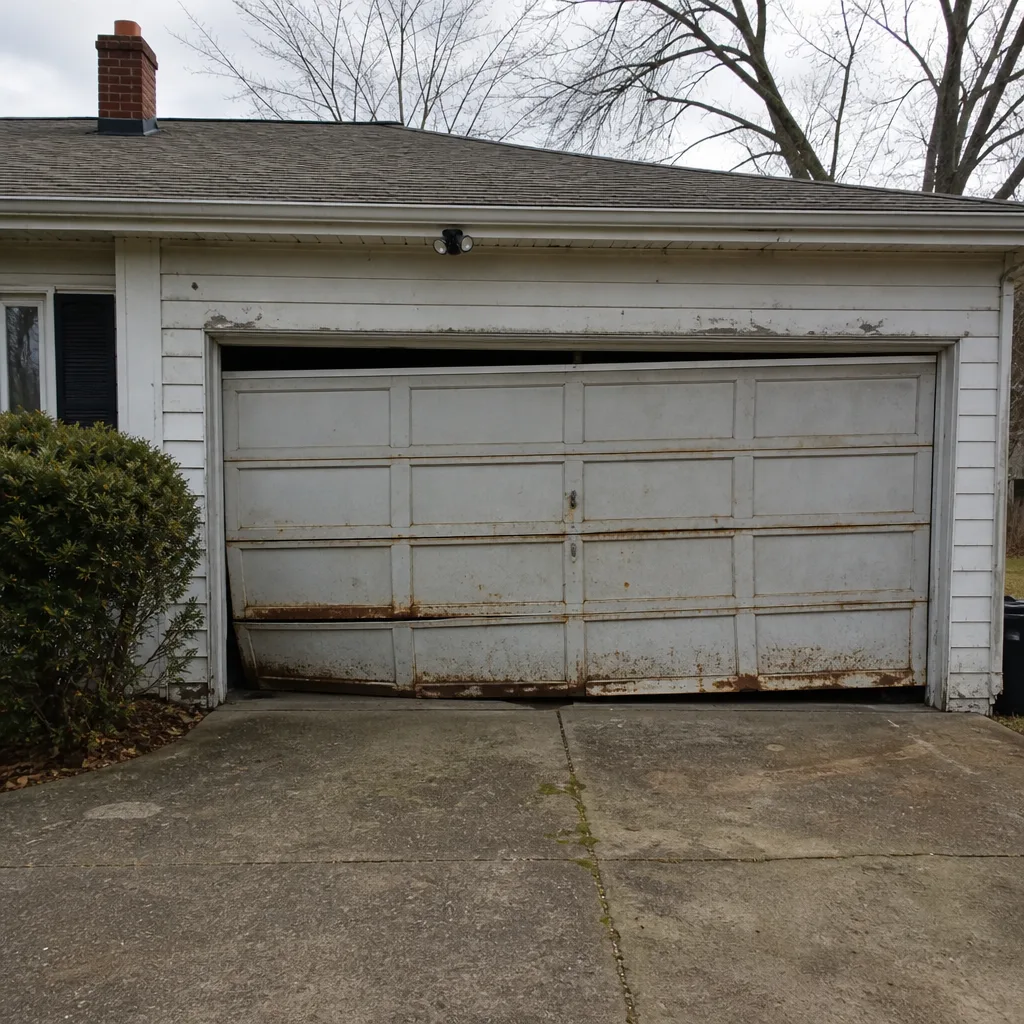 Before
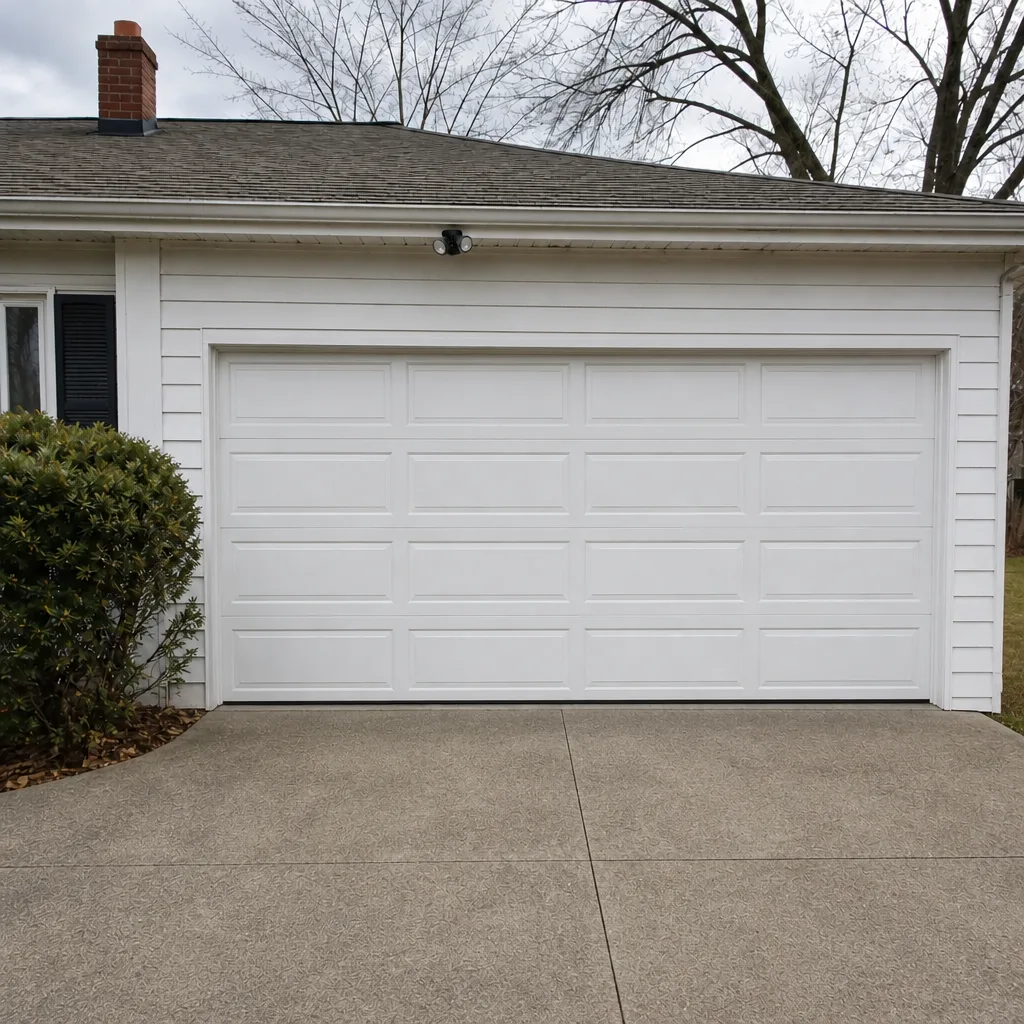 After
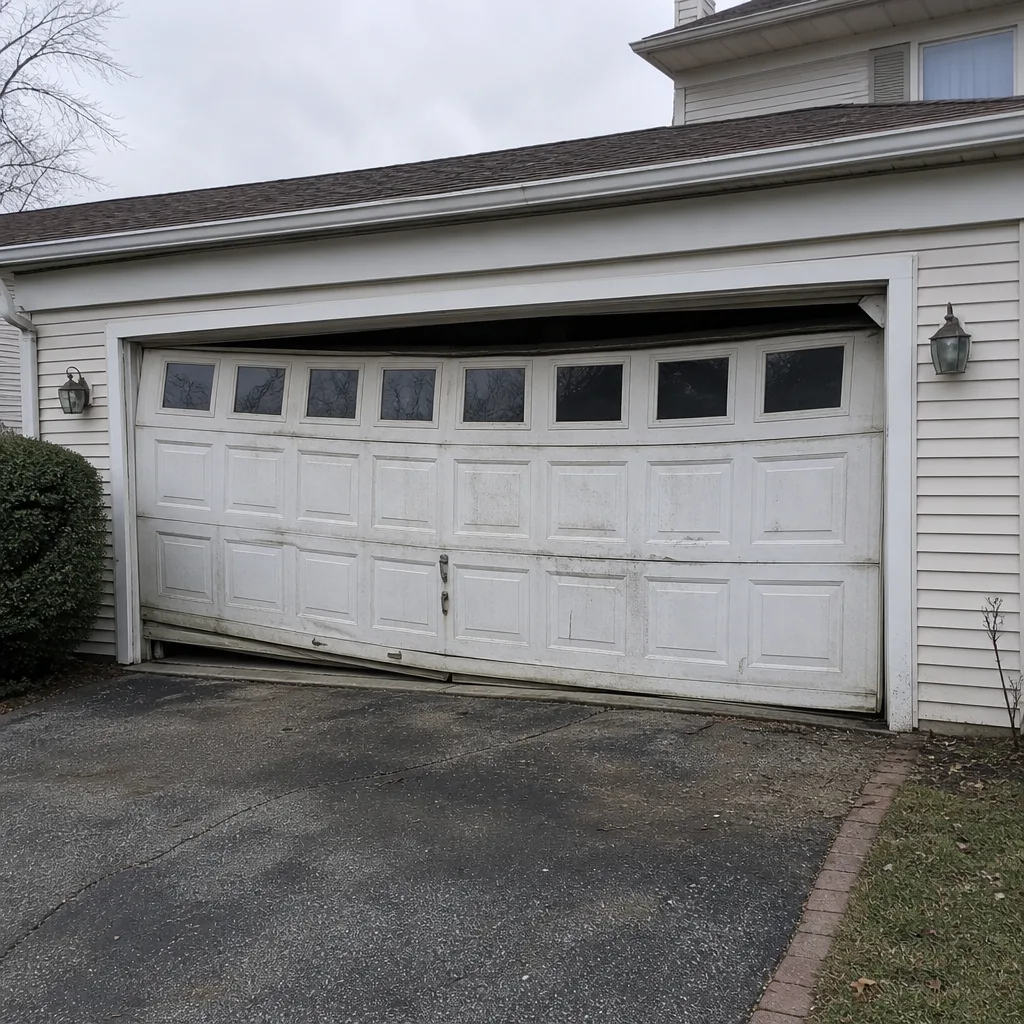 Before
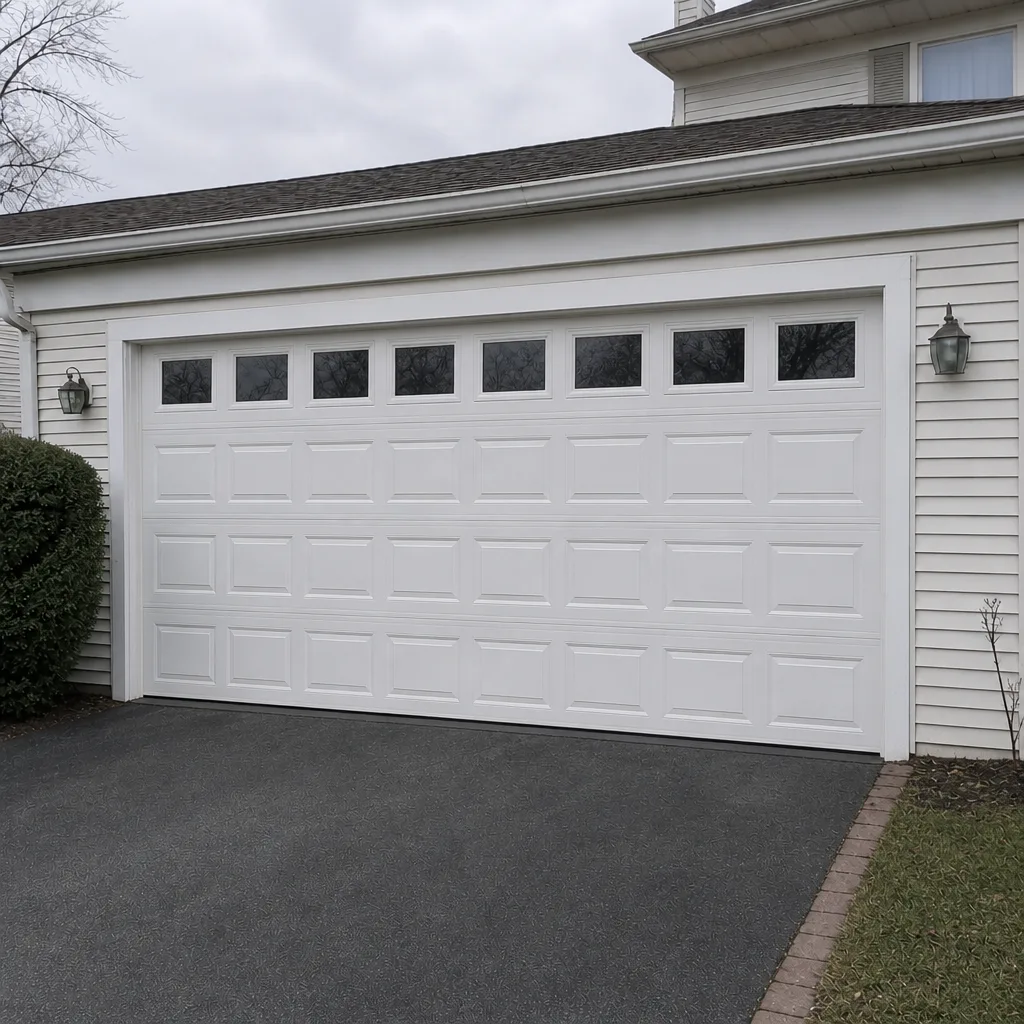 After
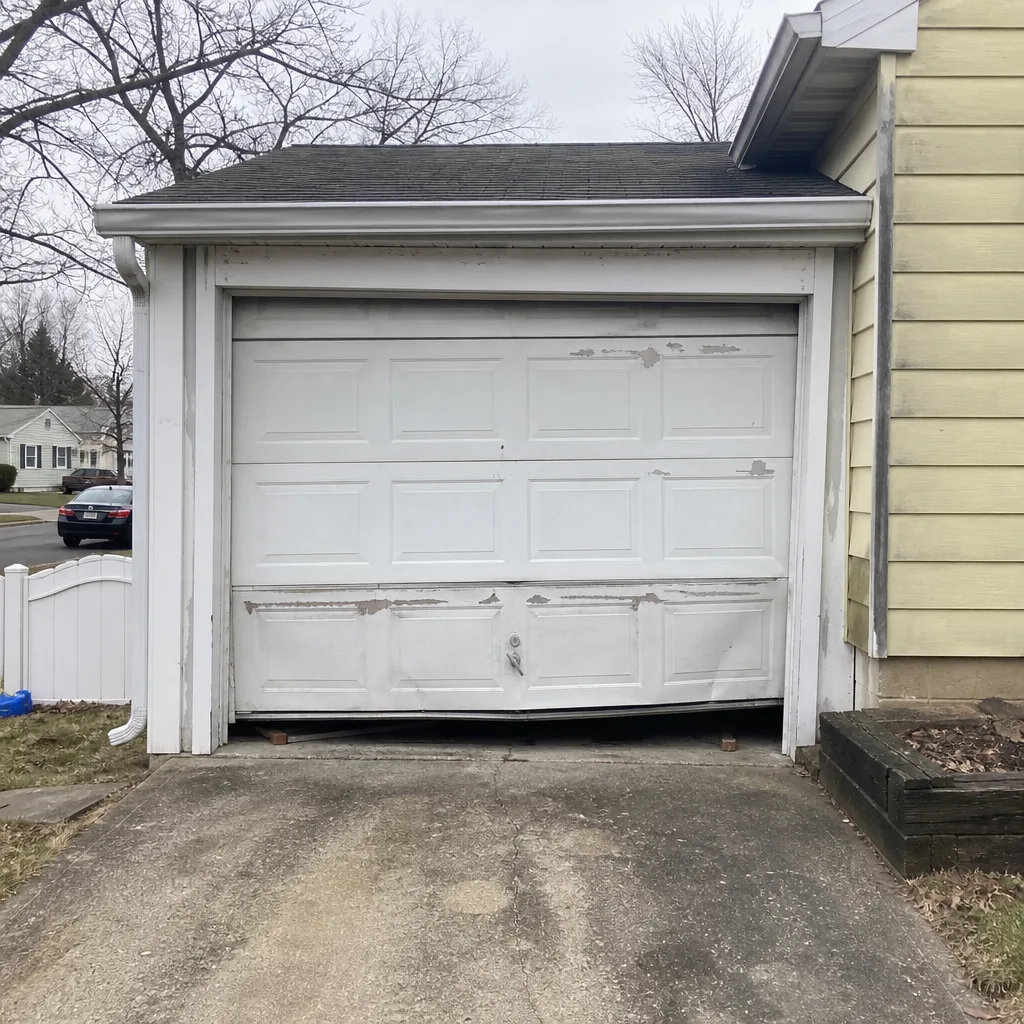 Before
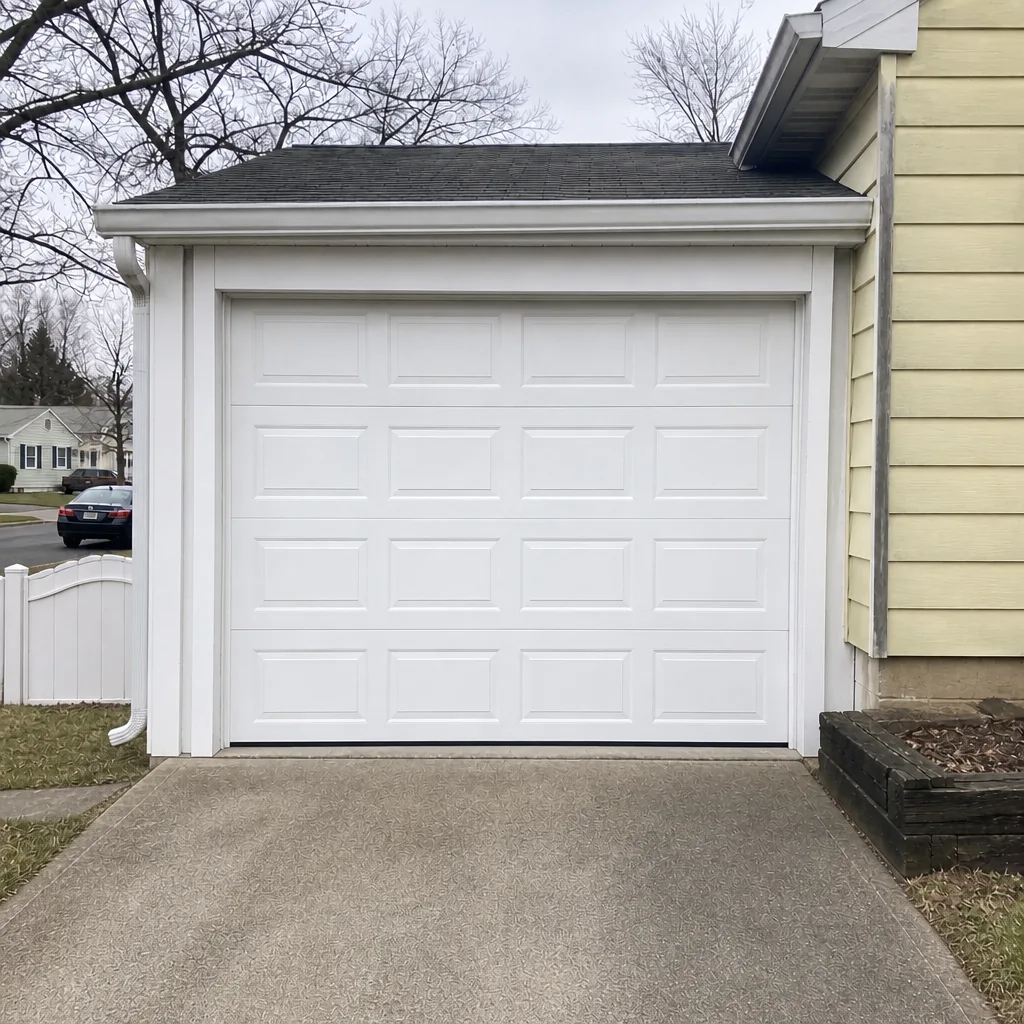 After
When to Call a Professional
Some garage door work is genuinely a professional job, and pretending otherwise isn’t a kindness. High-tension torsion springs and the cables that run over the drums are under enough load to cause serious injury if the wrong part slips – those are not a homeowner project, and we’d rather you didn’t try. Anything involving the fire separation between the garage and the house, the structural header over the opening, or a new electrical circuit is also a job for licensed trades. And any door that operates unevenly, reverses hard, or won’t stay up on its own needs a professional look before someone gets hurt.
If you’re planning a like-for-like replacement, a new opener on an existing circuit, or a door of a different size and you want to know whether you’re in permit territory, we can walk through it with you. Edison Garage Door Service offers free estimates in Edison – call (877) 471-0219. We answer 24/7. Fast dispatch from 7am to 7pm, Sunday through Friday. For the mechanical side of the job, see garage door repair and garage door opener repair, and for a broader look at what we cover around town, our Edison page has the details.
Frequently Asked Questions
Usually not, if the replacement is like-for-like – same size, same opening, same counterbalance system, no structural or electrical changes. You do need a permit when the door’s dimensions change, the header or framing is modified, or a new electrical circuit is added for an opener. Call Edison Township’s building department with the specifics before you order the door, and confirm who’s responsible for pulling the permit if one is needed. Call (877) 471-0219 for a free estimate on the door side.
It depends on the electrical work. If you’re replacing an existing opener on an existing dedicated outlet and existing circuit, it’s usually a maintenance swap with no permit. If you’re adding an opener where there wasn’t one, or adding a new circuit because the garage doesn’t have a dedicated outlet, that’s electrical work and it typically needs a permit through the electrical subcode. Ask the Edison building department to confirm for your address. Call (877) 471-0219 – estimates are free.
When the garage shares a wall or ceiling with living space, the door between the garage and the house – and the assembly around it – is typically part of a fire-rated separation. The exact rating depends on the assembly and how the plans were reviewed, so ask the Edison building department and your general contractor rather than assuming a number. The door has to self-close and latch correctly, and the rated assembly has to be restored if the wall is opened during a renovation. For the overhead door’s mechanical work, call (877) 471-0219 – estimates are free.
It shows up either on the buyer’s inspection report or in the township’s permit records as an open permit that was never closed, and either one is a negotiation item during a sale. The seller typically has to explain it in a disclosure, and the township may need to inspect the work after the fact before the permit can be closed. Pulling the permit when the work is done, and keeping the signed-off paperwork, is far cheaper than dealing with it at closing. Call (877) 471-0219 for a free estimate on the door work itself.
Like-for-like means the new door matches the old door in every dimension the code cares about: the rough opening’s width and height, the header and framing, the track and jamb configuration, the counterbalance system, and the electrical service to the opener. Appearance can change – going from a plain steel door to an insulated LiftMaster-compatible setup in the same opening is still a like-for-like swap, provided the torsion system is adjusted for the new door’s weight. If any of the structural dimensions change, it’s a construction project that needs a permit. Call (877) 471-0219 to talk through your specific door – estimates are free.
Cosmetic work, like wiping down the tracks or tightening a loose hinge bolt, is fine to handle. High-tension torsion springs, cables under load, structural header work, and any electrical circuit additions are not – those belong to a trained professional, because the failure mode on a spring or cable is genuinely dangerous. If your door won’t stay up, reverses hard, or runs crooked, that’s a professional call. Call (877) 471-0219 and we’ll walk you through what the diagnosis looks like and what the written estimate covers – estimates are free.
The Bottom Line
In Edison, most like-for-like garage door replacements don’t need a permit – but a wider door, a modified header, a new opener circuit, or a fire-separation door during a renovation can take a job out of that category quickly. The way to stay out of trouble is simple: describe the change to the Edison building department before you order, put the permit-responsibility question in the written estimate, keep the signed-off paperwork when the work is done, and don’t skip the fire separation on an attached garage. If the springs, cables, or door operation are the issue, that’s the part to call a professional for. Garage door repair and garage door opener repair cover the mechanical and electrical sides – call (877) 471-0219 for a free estimate.
Written by the team at Edison Garage Door Service.