
Last updated November 15, 2026
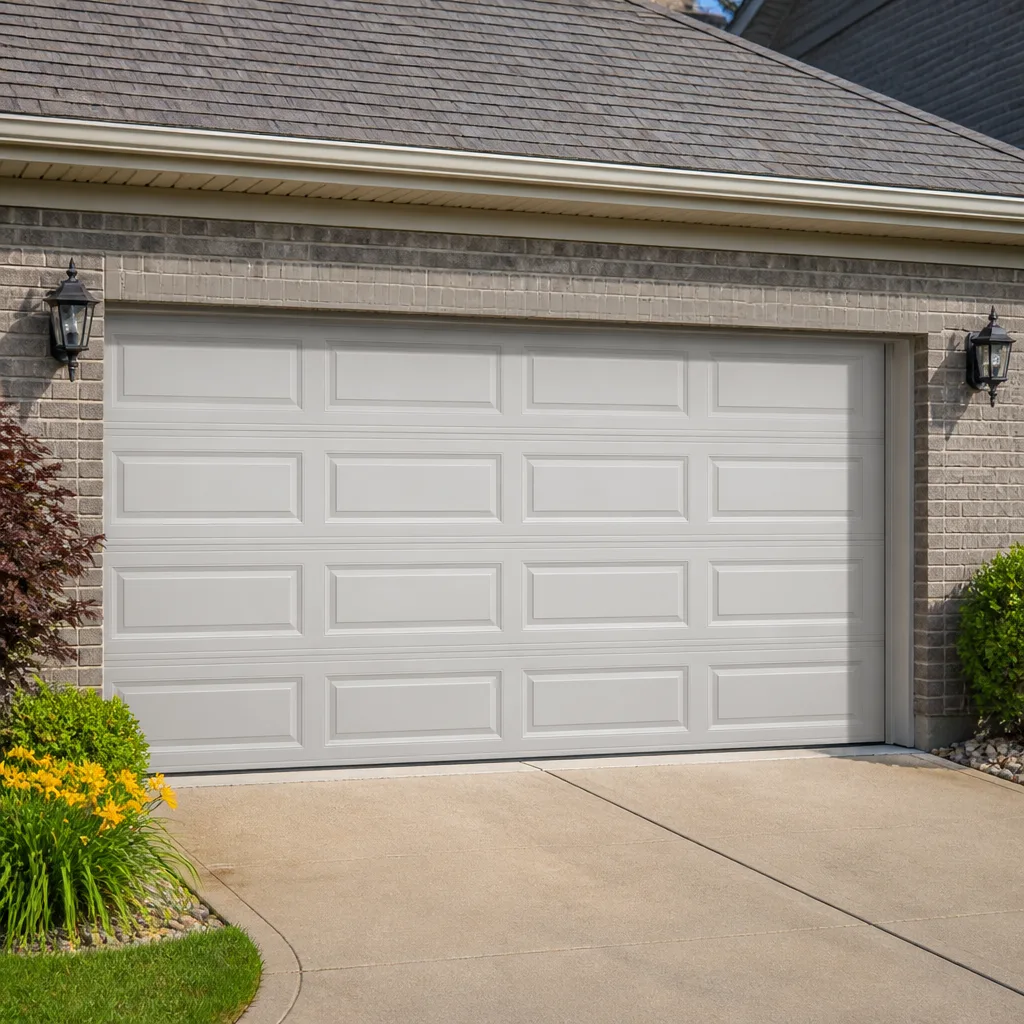 Raised-panel steel
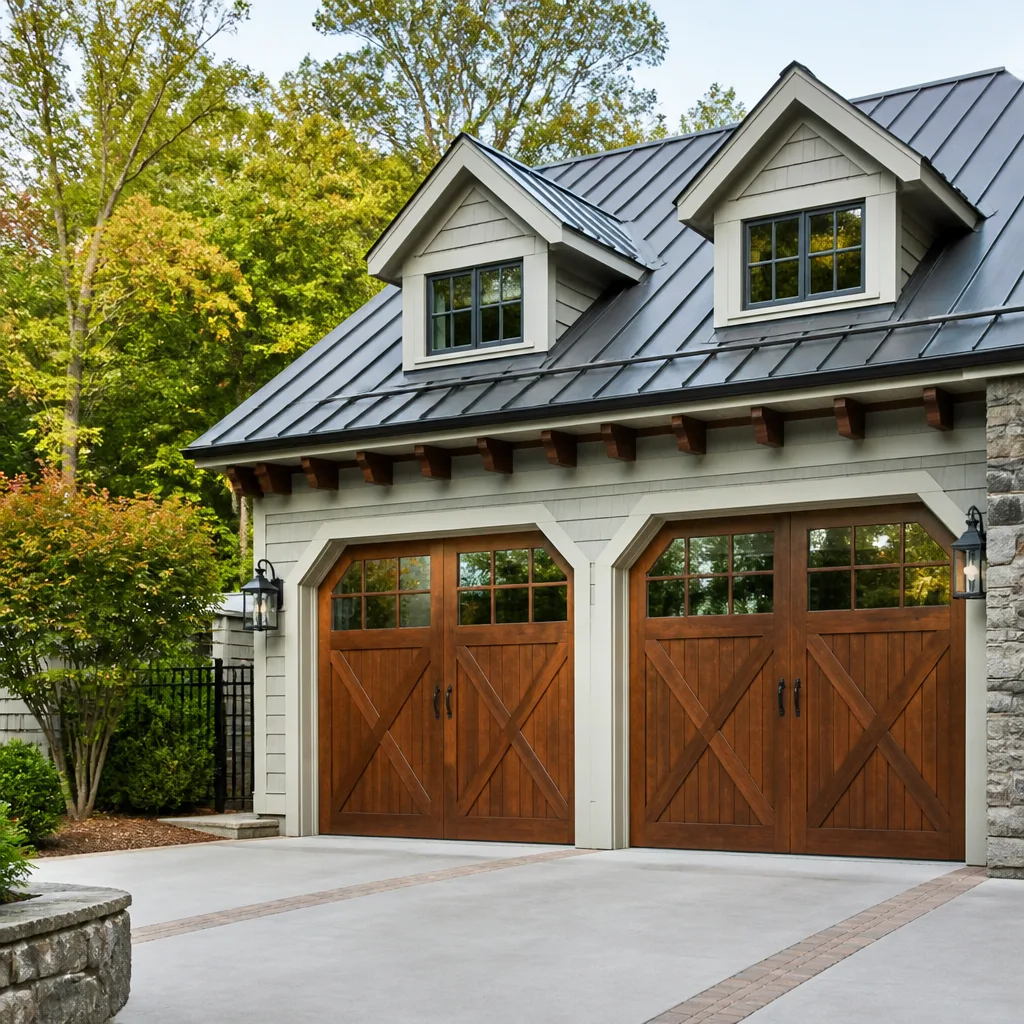 Carriage house
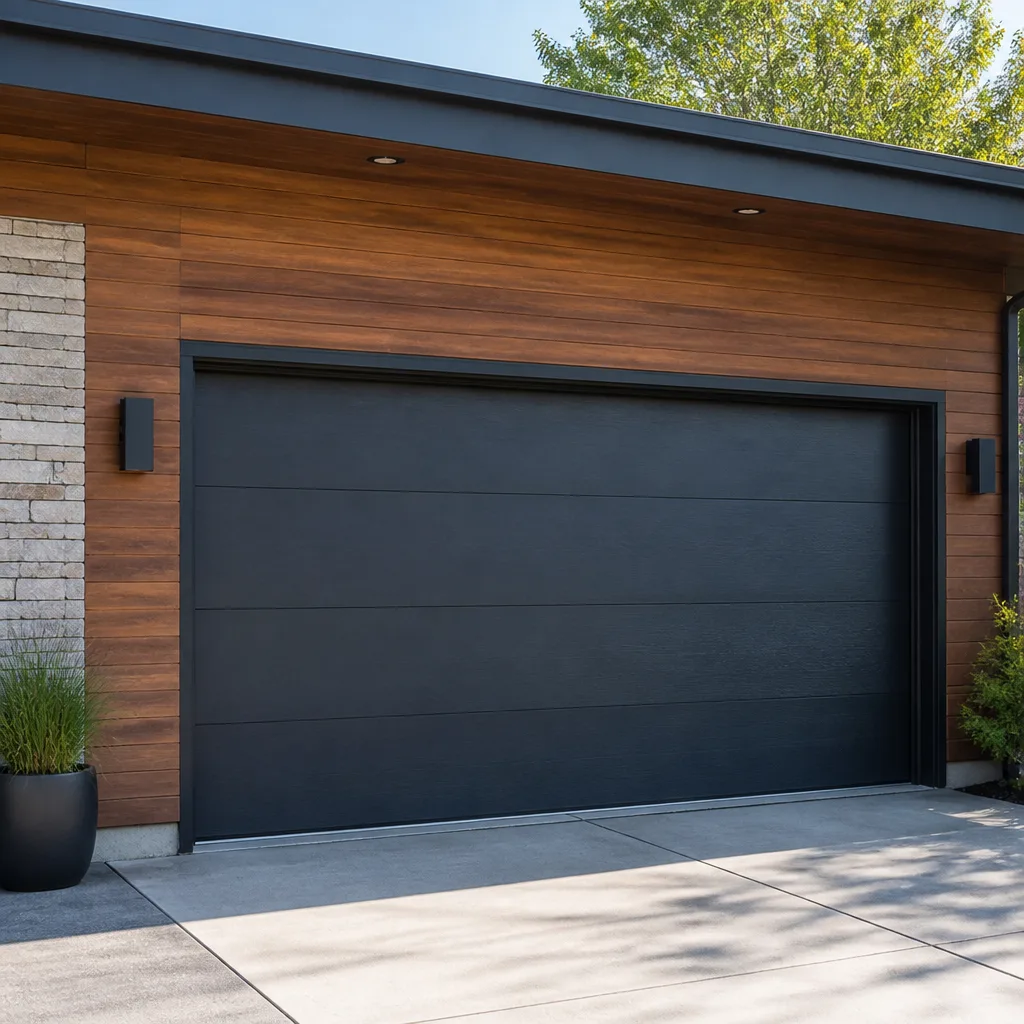 Modern flush
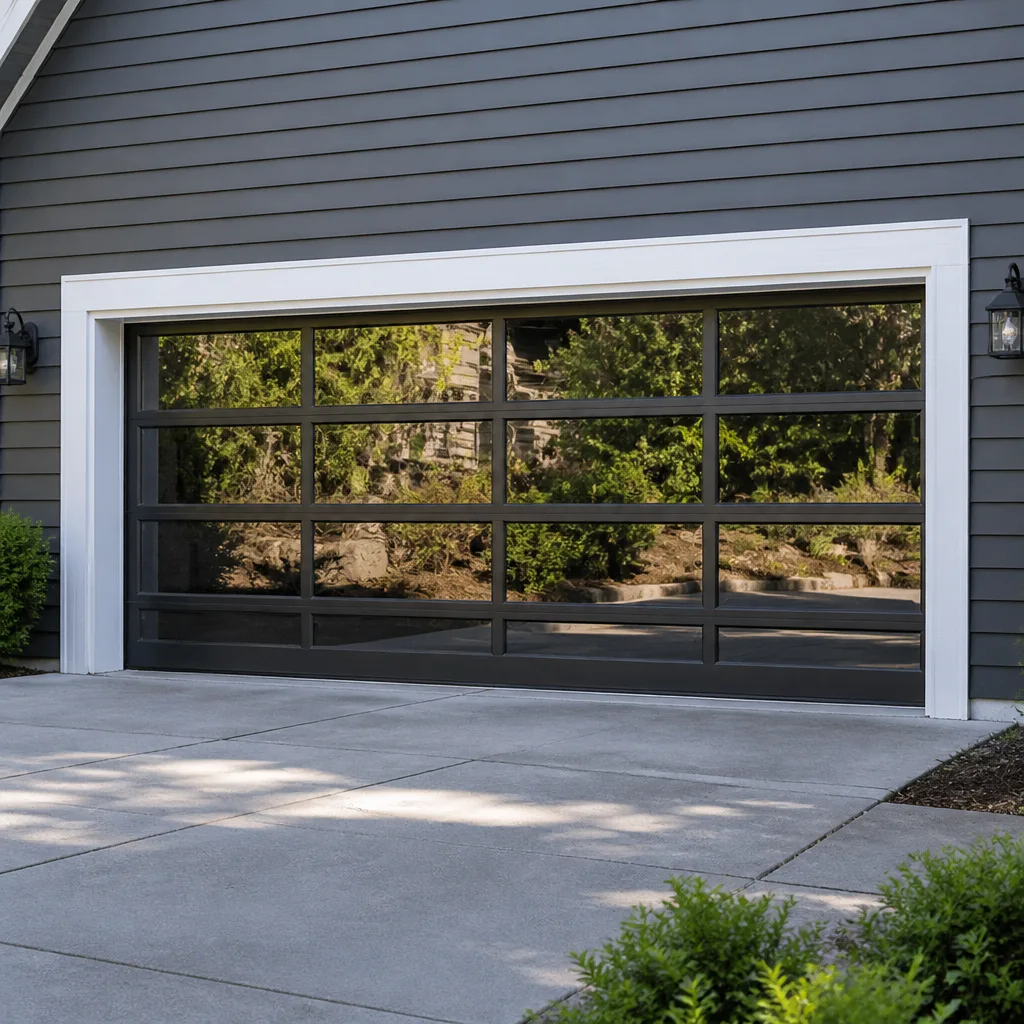 Full-view glass
 LiftMaster openers
 Chamberlain openers
Full 25-point door and opener safety check with every visit - springs, cables, rollers, tracks, and your LiftMaster or Chamberlain opener included
You get a price before we start. It does not change when the pro arrives.
Get your free estimateHow to Hire a Garage Door Contractor in Edison: A Step-by-Step Guide
The most common complaint in garage door service reviews isn’t bad work. It’s contractors who showed up for the opener but weren’t qualified to flag the failing header bracket right above it. That gap is what makes hiring in Edison trickier than it looks. A garage door isn’t a single appliance; it’s a mechanical structure, an electrical drive system, and a finish element on the front of your house, and the person you hire needs to see all three. Over the next few thousand words we’ll walk you through exactly how to vet a contractor, what to ask before booking, what a real estimate looks like, and what red flags signal a job that will go sideways. All of it grounded in what we’ve learned doing garage door work in the Edison area.
Quick Answer
To hire a garage door contractor in Edison, verify New Jersey contractor registration, request a written estimate that names the specific parts and brands going in, confirm the technician can service both the door and the opener, and ask directly whether the company carries liability and workers’ compensation insurance. The right contractor should be able to walk out, look at the whole system in one visit, and explain what’s failing without pushing a replacement before a diagnosis.
Styles & brands we work with
- Raised-panel steel
- Carriage house
- Modern flush
- Full-view glass
- LiftMaster openers
- Chamberlain openers
Table of Contents
- Why hiring right matters more in Edison
- Questions to ask before you book
- What a legitimate written estimate should include
- How to verify NJ contractor registration and insurance
- Red flags specific to garage door quotes
- Matching mechanical and aesthetic needs
- Why brand familiarity changes the estimate
- Common mistakes to avoid
Why Hiring Right Matters More in Edison
Edison homes sit in a mix of housing stock that shapes what a garage door job actually involves. There are mid-century ranches with original single-car doors, 1980s and 1990s colonials with wide two-car openings, and newer townhome clusters where the door faces the street and the neighbors can see everything. The variation matters because a door that fits one style of home won’t fit another, and the measurement step is where most wrong installations begin.
Add the climate. Edison gets hot, humid summers and cold winters with repeated freeze-thaw cycles. That cycle works on wood door frames, metal tracks, and concrete headers alike. A door that ran smoothly in October often starts dragging by February because the framing shifted a quarter inch. A contractor who works in Edison regularly knows where to look for that shift before it becomes a spring failure or a bent panel.
Our technicians have up to 9 years of experience working on doors and openers in this kind of environment. That isn’t a long pedigree, but it’s long enough to know what repeated Edison winters do to a header bracket and what humidity does to the bottom seal.
The bigger reason to hire carefully here is that the garage door is usually the largest moving object on the property and the heaviest. A single-car door weighs in the hundreds of pounds, and a double runs much higher. When a torsion spring or cable lets go, the door is no longer something you can lift by hand. The person who services it is doing real mechanical work, not just swapping a part.
There’s also the electrical side. Modern Edison garages increasingly run on Wi-Fi-connected openers with battery backup, safety sensors, and smartphone control. That’s a second discipline inside the same job, and not every general contractor or handyman is comfortable diagnosing a logic board versus a safety sensor versus a failing wall control wire. Splitting those two parts of the job across two companies is where accountability gaps open up. When the door doesn’t close and the opener is also acting strange, you want one call, one diagnosis, one person who owns the outcome.
That’s the practical case for hiring deliberately. Now let’s get into how to actually do it.
Questions to Ask Before You Book
You can filter out most of the wrong contractors with a five-minute phone call. Here are the questions we’d ask if we were hiring someone to work on our own door.
- Can you work on the brand I already have? If your opener is a LiftMaster, Chamberlain, Genie, Craftsman, or Raynor, and the company only wants to install their preferred brand, you’re being steered rather than served. The technician who shows up should recognize your equipment and know how it behaves over time.
- Do you handle both the door and the opener, or only one? A door specialist who won’t touch opener logic boards, or an opener specialist who can’t diagnose a bent track, will hand you off mid-job. You want one company that covers the full system.
- Is the technician who comes out the same one who will do the repair? Some companies send a salesperson to quote and a technician to work. That’s fine for big installs, but on a repair call, the person who diagnoses should be capable of doing the fix.
- How do you diagnose a spring or cable failure versus a track problem? The answer tells you a lot. A good technician talks through what they’ll check: balance, tension, roller wear, and the header bracket above the door.
- What brands do you install, and why those? If the answer is “whatever’s in stock,” that’s a warning. If it’s a specific handful of brands with reasons (warranty coverage, parts availability, track record in local climate), you’re dealing with someone who’s actually thought about it.
- Will you haul away the old door and opener? Ask before you book. Some estimates include haul-away, some exclude it, and some contractors leave the old door on your curb on purpose.
- How long will the repair take, and will the door be usable the same day? For a broken spring, the honest answer is usually yes. For a full door replacement, no. The rhythm of the job matters, and it should be explained up front.
If a contractor can answer all seven of those without hesitation and without a sales pitch, you’re off to a good start. If they stumble on the brand question or want to book a site visit before they’ll acknowledge they can work on your system, that’s a telling signal.
For the specific case of an opener that’s not responding, the questions get narrower: does the technician know the difference between a failing safety sensor, a failing transformer, and a misprogrammed remote? For a door that’s stuck or dragging, they need to be able to trace the problem through springs, cables, rollers, and tracks before quoting. We’ve written more about both in our guide to garage door opener repair for readers who want the deeper technical picture.
What a Legitimate Written Estimate Should Include
A written estimate is your contract in draft form. Vague line items (“spring replacement – call for price”) are how contractors protect themselves from a job that turns out harder than expected. A tight estimate protects you instead.
Here’s what a legitimate garage door estimate should spell out:
- The exact part being replaced. Not “spring” but “one torsion spring, 250×2-inch” or whatever the specification is. Springs differ in gauge, length, and cycle rating, and the price difference is real.
- The brand and model. If a new opener is going in, the estimate should name it. LiftMaster and Genie, for example, are not interchangeable, and neither are their wall controls.
- Whether the price is for one part or a matched pair. Torsion springs are usually replaced as a pair even when only one fails, because the second is on the same cycle count. The estimate should be clear about how many springs you’re paying for.
- Labor broken out or folded in, but named. Either is fine, but the reader should know what’s labor and what’s parts.
- Haul-away. If the old door, panels, or opener are leaving your property, that should be written in. If they aren’t, that should also be written in.
- Permit requirements, if any. Not every garage door job in New Jersey requires a permit; a full door replacement with structural changes may. The estimator should be able to tell you what to expect and point you at your town’s building department for confirmation.
- A total, in writing, before work starts. This is non-negotiable. You should be able to point at the number and know that’s what you’re paying unless you personally authorize additional work.
A vague estimate usually signals one of two things. Either the contractor doesn’t know what they’re walking into (which they should have figured out at the sight assessment), or they’re keeping room to add items once the door is apart. Neither is a good sign.
One detail worth insisting on: a written estimate that separates “the part you have” from “the part going in.” If you’re told your opener needs replacing but the estimate doesn’t say why or with what, that’s the point to ask. The right fix is not always a new opener. Sometimes it’s a $10 sensor. Sometimes it’s a bad wall control wire. Getting a diagnosis in writing is the homeowner equivalent of getting a second opinion.
For readers working through cost ranges, our garage door repair guide covers typical local pricing on springs, cables, rollers, and panel replacements. It’s worth reviewing before you sign off on an estimate, because familiarity with the range protects you from either side of the market: the too-cheap quote that hides a cheap part, and the too-high quote that assumes you didn’t check.
How to Verify NJ Contractor Registration and Insurance
New Jersey requires contractors who perform home improvement work above a certain dollar threshold to register with the Division of Consumer Affairs. If you’re hiring anyone to work on your garage door, you can verify their registration number through the state’s Consumer Affairs lookup. Registration is not a warranty of work quality, but it does confirm the contractor has a legal presence in the state and can be tracked if something goes wrong.
Ask for the registration number before you book. Legitimate contractors keep it on hand and will share it without being pushed. If the number can’t be produced or the contractor shrugs off the question, that’s a stop sign.
Then ask about insurance. There are two separate types to verify:
- Liability insurance covers damage to your property. If a technician drops a door panel on your driveway or a torsion bar flies and dents your car, liability insurance is what pays.
- Workers’ compensation insurance covers the technician if they’re injured on your property. Without it, the injured worker can come back to the homeowner for medical expenses in some circumstances. This is not the kind of risk to take on faith.
Ask for certificates of insurance coverage and confirm they’re current. A serious company will send them without argument. If the contractor says they’re “fully insured” but won’t produce paperwork, treat the claim as unverified.
Ask, too, whether the technicians who arrive at your door are employees or subcontractors. Both arrangements can be legitimate, but the insurance chain differs. The person on your property should be covered by the contractor’s policy either way.
Edison Garage Door Service is properly licensed and insured, and we’ll send documentation on request. We work on residential jobs across the Edison area, and we’re comfortable having the paperwork conversation early. It’s a good filter on both sides.
Red Flags Specific to Garage Door Quotes
Garage door quotes have their own warning signs. Some of these are common in any trade; some are specific to this one. Here’s what to watch for.
- A quote significantly below the local range for spring replacement. Springs are a competitive market, and the lowest legitimate price isn’t far below the middle. A quote that sits well under everyone else is usually either a low-cycle spring that will fail early, a single spring where a matched pair is standard, or a bait price that grows once the technician is on site.
- An opener “upgrade” pushed before diagnosis. If a technician walks in, looks at your opener, and quotes a new one before checking the safety sensors, wall control, and the travel limits, that’s not a diagnosis. That’s a sales call. The right fix, not the easiest upsell, is the standard to hold them to.
- No mention of haul-away in an installation quote. A full door replacement generates debris: panels, track, opener, and the pile of hardware that’s come loose over the years. If haul-away isn’t mentioned, you’re likely paying for it either as a surprise line item or in your own time.
- “We’ll figure out the model when we get there.” A written estimate should name the part. If the quote is a range and the range depends on what’s in stock on the day, that’s not an estimate; it’s a placeholder.
- No written price before work begins. Every part of a garage door job is predictable enough to price. If the technician won’t commit to a number before starting, expect the invoice to change.
- “Fully insured” with no paperwork. Already covered above, but it bears repeating. The phrase is meaningless if you can’t see the certificate.
- Pressure to decide on the spot. A garage door that isn’t closing is a real emergency, but a quote is not. Even urgent repairs shouldn’t require you to sign something under duress. Get the estimate in writing and take a minute to read it.
There’s one more you’ll see on door installation specifically: an estimate that treats the door like a product only. It talks about panels and glass and colors but never mentions the tracks, the springs, or the header bracket. The door is the visible part; the system behind it is what determines whether the door still works in two winters. Any installer who ignores the system is either inexperienced or hoping you won’t ask.
Matching Mechanical and Aesthetic Needs
A garage door that works but looks wrong next to your siding is still a problem. That’s easy to overlook when the priority is “get it opening again,” but a door replacement in Edison is a street-facing project. Your neighbors see it. You see it. And if the style doesn’t match the house, you’ll notice every time you pull in the driveway.
So when you’re evaluating contractors, look for one who can talk about both layers:
- The mechanical side. Track alignment, spring balance, opener travel, roller condition, bottom seal fit, header bracket integrity. This is what determines whether the door operates safely for years.
- The aesthetic side. Panel style, material (steel, aluminum, wood-look, composite), window placement, color match to the surrounding trim, and how the door proportion relates to the opening and the roofline.
Many contractors are strong on one and weak on the other. A pure installer may have strong aesthetic opinions but limited mechanical diagnostics. A pure repair tech may know the mechanics cold but not be able to talk through whether a particular Clopay or Amarr model actually suits your home. The company that can carry both conversations is the one worth hiring.
Our approach to installation starts with the same brand roster we repair from: LiftMaster, Chamberlain, Genie, Clopay, Amarr, Wayne Dalton, Craftsman, and Raynor. That matters because the technician recommending a door already knows how that brand performs after a few years of use, how often its springs get replaced, and what its parts availability looks like. That’s a very different recommendation than the one you’ll get from someone who only installs one brand and hasn’t seen how it holds up.
If you’re in Wayne Dalton or Amarr territory and the contractor you’re talking to hasn’t heard of either, that’s a piece of information about the contractor. Brand fluency isn’t a luxury; it’s a diagnostic tool. Precision matters when your garage door is the front door.
Why Brand Familiarity Changes the Estimate
Garage door brands aren’t interchangeable underneath the panel. The torsion system in a Wayne Dalton door may differ from a Clopay of similar size, the opener wiring on a Craftsman may look nothing like a Genie’s, and the safety sensor logic varies across models. A technician with brand fluency reads the system like a familiar book. A technician without it reads it for the first time in your driveway.
That difference shows up in a few practical places:
- Time on a diagnostic. A technician who knows the brand can often diagnose a complaint in minutes. One who doesn’t may spend an hour on trial-and-error and still bill you for it.
- Parts accuracy. Springs, rollers, hinges, and opener logic boards come in specific fits per brand. Knowing the brand means fewer wrong-part returns and fewer second visits.
- Honest recommendation. A technician who knows a particular brand’s failure patterns can tell you when a repair isn’t worth it. A technician who only knows one brand will recommend theirs.
- Smart opener integration. Modern openers talk to apps, home assistants, and battery backup systems. Familiarity with the specific brand’s setup matters more with connected systems than with mechanical ones.
Edison Garage Door Service works across eight major brands: LiftMaster, Chamberlain, Genie, Clopay, Amarr, Wayne Dalton, Craftsman, and Raynor. We don’t pressure customers to replace a system just because the technician doesn’t recognize it. That’s the standard you should hold any contractor to, whatever their brand list looks like. If they can’t name your brand, ask how they’ll handle it.
Common Mistakes to Avoid
- Hiring on price alone. The lowest quote is often lowest for a reason: cheaper spring, thinner gauge, or a single part where a matched pair is standard. Get two or three estimates and treat the outlier in either direction as a signal to ask more questions.
- Skipping the registration and insurance check. Both are verifiable, both are quick, and both protect you if something goes wrong. Homeowners who skip them find out the hard way.
- Approving work without a written scope. Verbal agreements work fine until the invoice arrives. Get the parts, brands, labor, and haul-away in writing before the technician starts.
- Letting one part of the job be “handled later.” If you’re replacing the door and the opener is 15 years old, the estimate should say something about it. If you’re fixing the opener and the door is sagging, the technician should flag it. Splitting the job across two companies almost always means neither one owns the whole outcome.
- Ignoring the safety sensors. A door that closes but has working sensors is safer than one that closes with the sensors bypassed. If a technician suggests disabling or taping over the sensors, that’s not a repair; it’s a safety failure.
- Not asking about parts availability. Some brands ship parts faster than others. In the middle of a cold Edison winter, a two-week wait for a spring is very different from a two-day wait. Ask before you commit.
- Choosing a contractor who won’t discuss aesthetic fit. A garage door that works but clashes with your siding or roofline is a long-term annoyance. Ask about the model, the color match, and the proportions before you sign.
See the difference
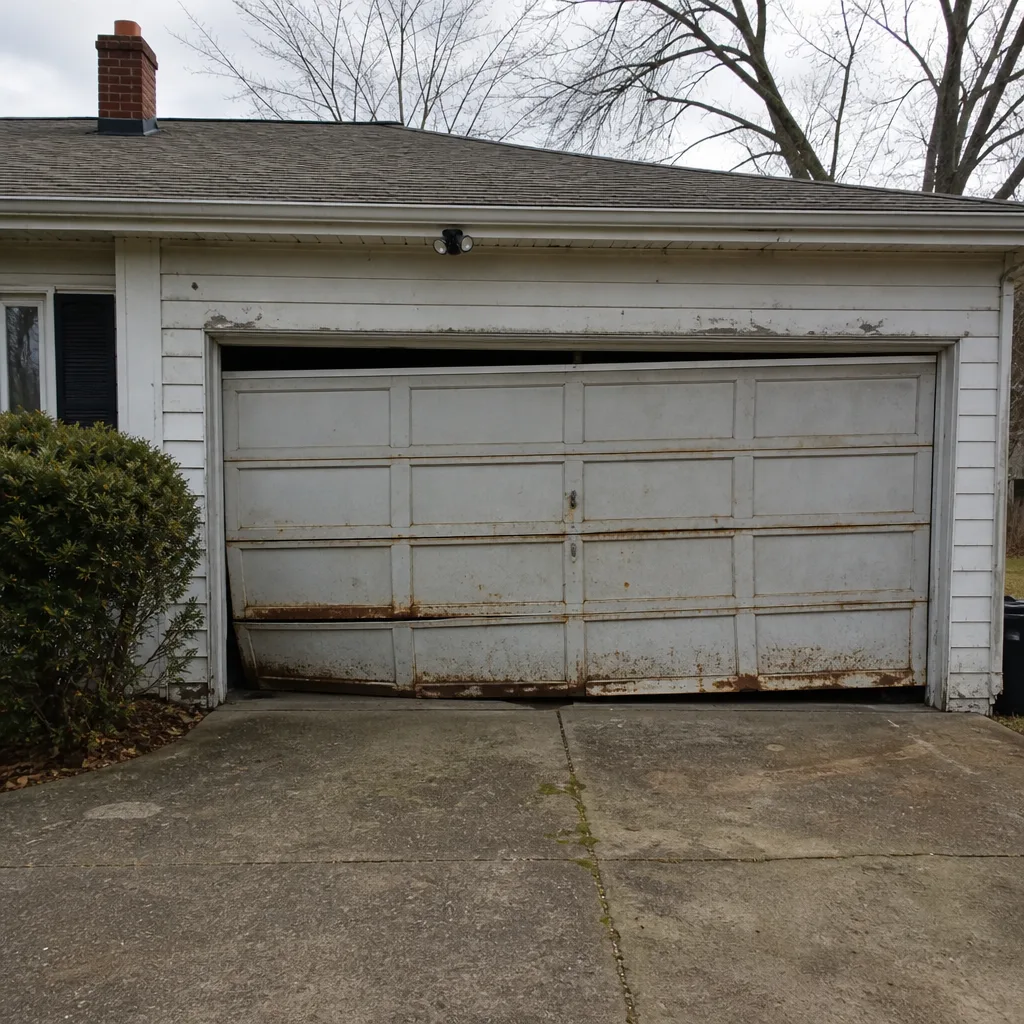 Before
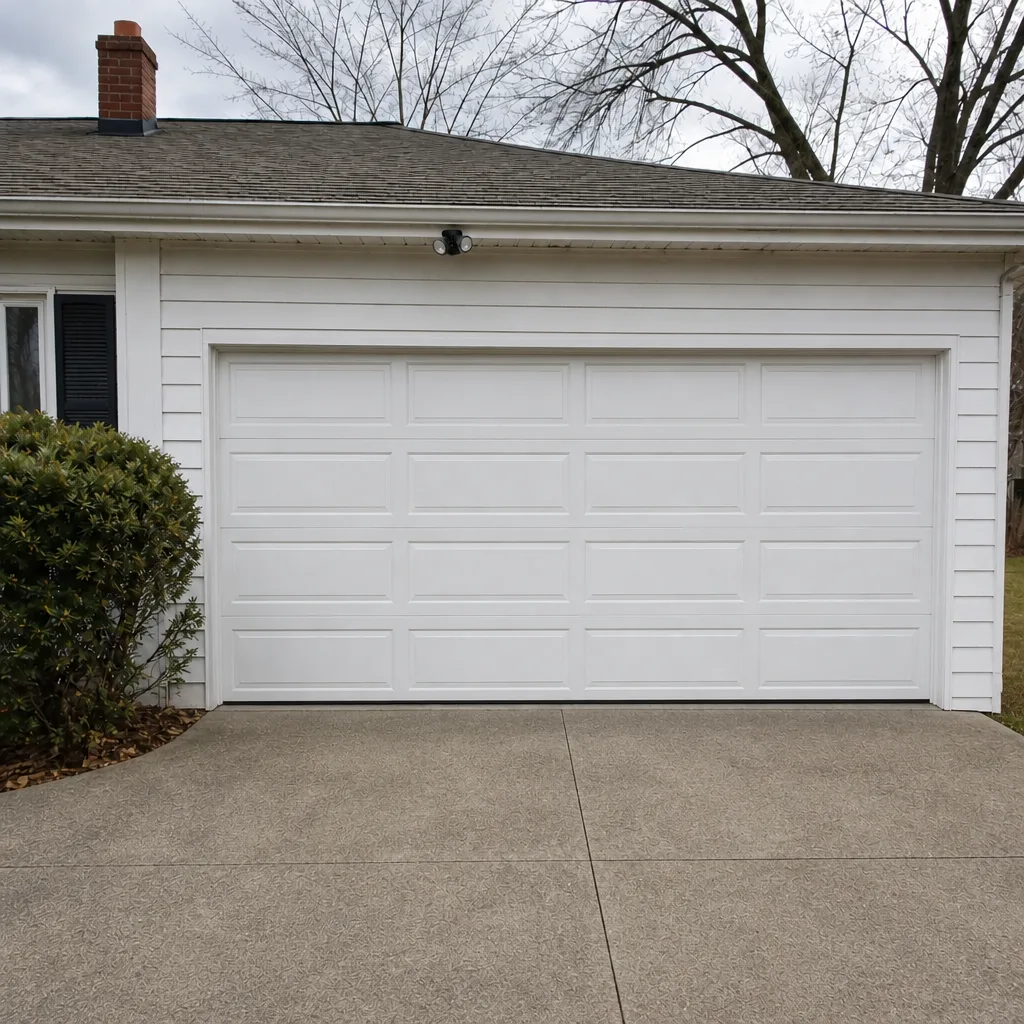 After
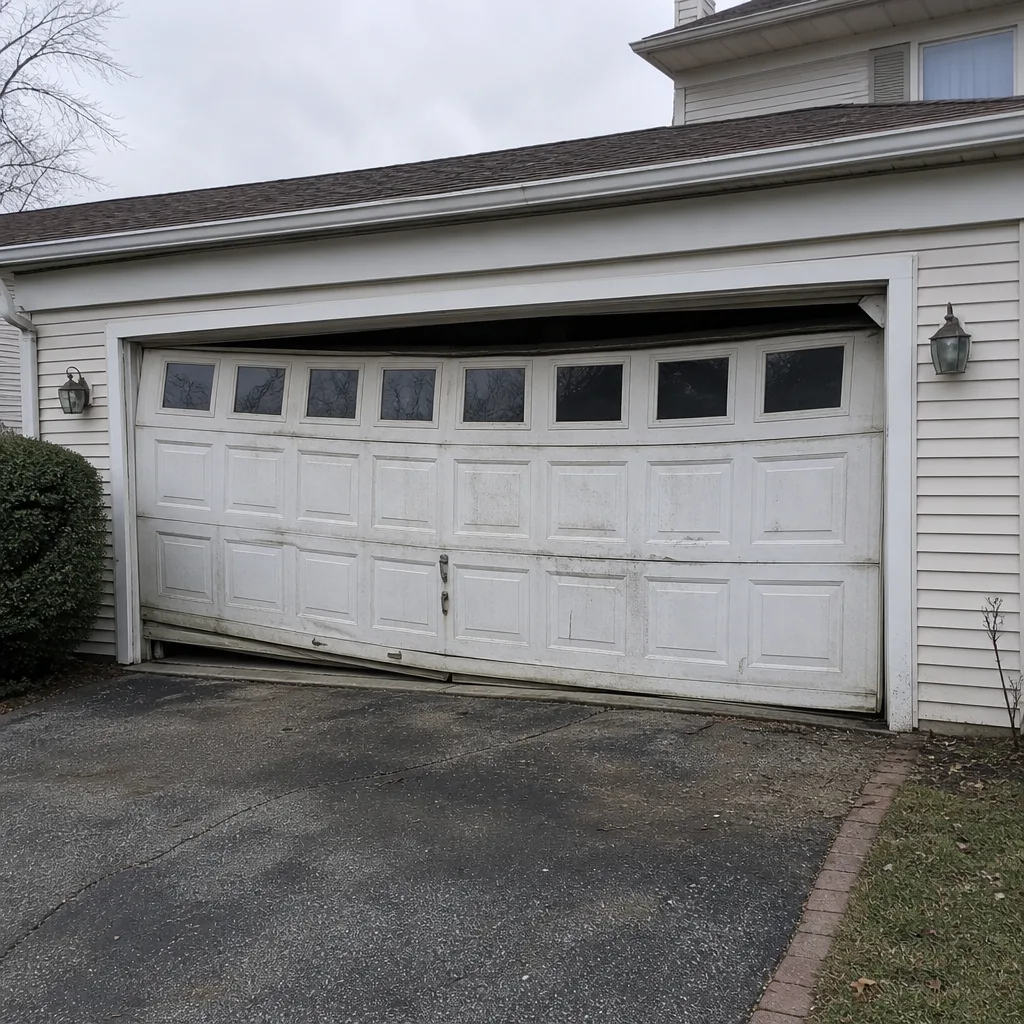 Before
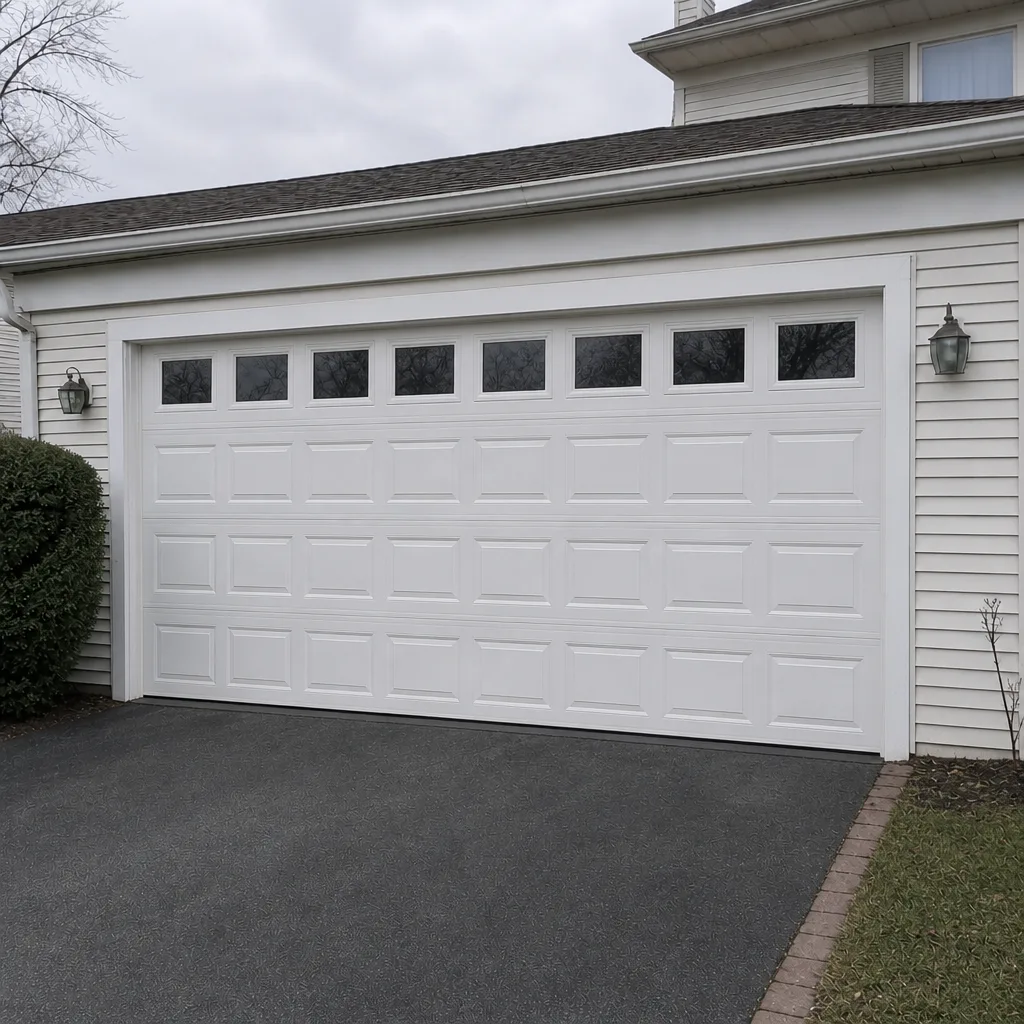 After
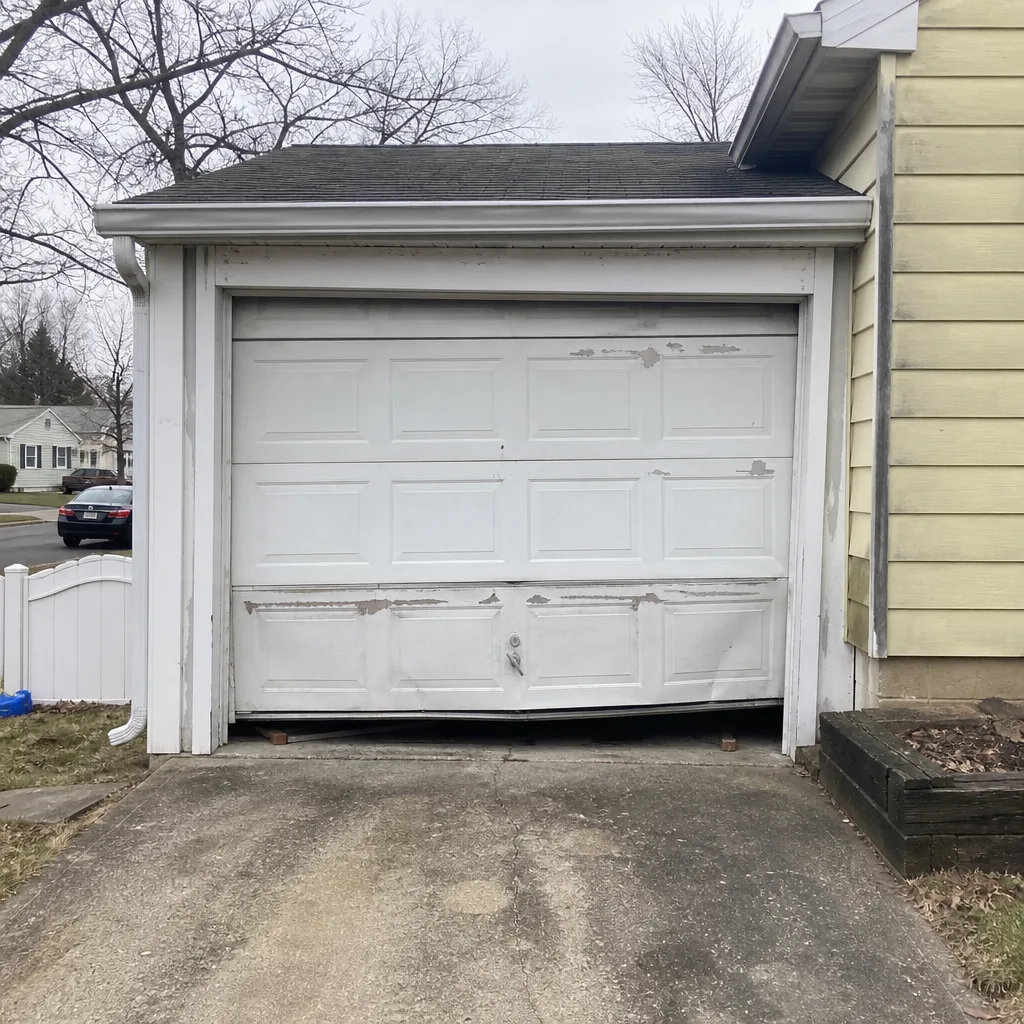 Before
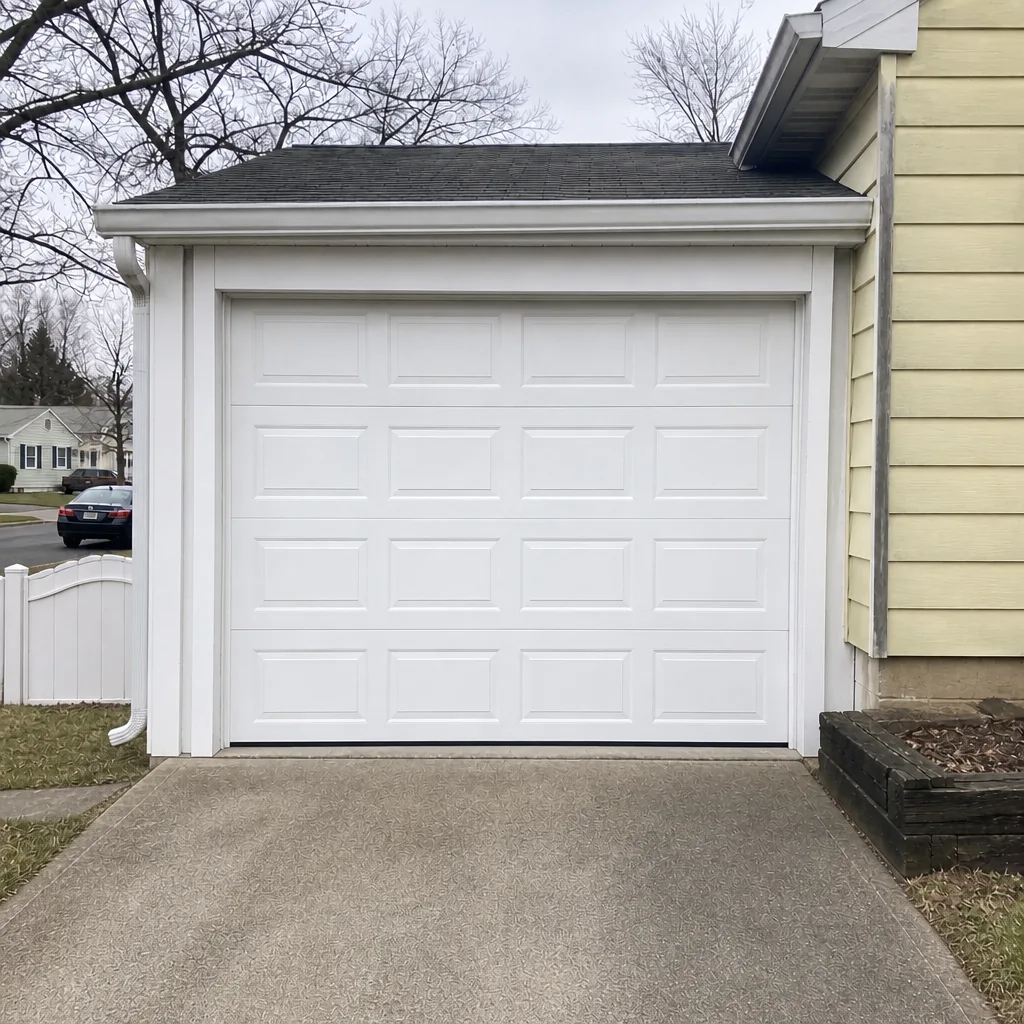 After
When to Call a Professional
Some garage door problems are DIY-friendly. A squeak that needs lubricant on the rollers, a remote that needs a new battery, a bottom seal that needs replacing – those are fine. Others are genuinely dangerous, and the line between the two is clearer than you might think.
Torsion springs and the cables that support the door are under extreme tension. If one fails while you’re working near it, the result can be serious injury. Do not attempt to loosen, adjust, or replace a torsion spring or a tensioned cable yourself. Ordering a replacement spring online and installing it without the proper winding bars and knowledge is not a project to try. The same goes for track adjustment after a spring failure. The door can drop without warning.
Call a trained professional when:
- The door won’t open or close, and you can’t see an obvious obstruction.
- You hear a loud snap from above the door, and the door sagged or stopped moving.
- A cable looks frayed, slack, or displaced from its drum.
- The door goes up crooked or stops halfway.
- The opener runs but the door doesn’t move, or the door moves but the opener keeps cycling.
- A spring is visibly broken (a clean gap in the coil), even if the door still operates.
Edison Garage Door Service offers free estimates in Edison. Call (877) 471-0219. We answer 24/7. Fast dispatch from 7am to 7pm, Sunday through Friday.
Frequently Asked Questions
Ask for the New Jersey contractor registration number and verify it through the state Division of Consumer Affairs lookup. Then request current certificates for liability insurance and workers’ compensation. Both should be easy for a legitimate contractor to provide. If the company can’t produce either, move to the next one.
No. It’s almost always better to hire one company that can handle both. When the door and opener are serviced by different companies, problems that overlap (like a sagging door that’s straining the opener) get passed back and forth. A single contractor diagnoses and fixes the whole system in one visit. We build our service around that for a reason.
A written estimate should name the exact part, brand, and model going in, state whether the price is for one spring or a matched pair, break out or clearly include labor, mention haul-away for installation jobs, and give you a total before work starts. Anything vague about parts or brands is a warning that the final invoice may end up different from the quote. Call (877) 471-0219 for a free estimate.
Typical Edison-area repairs range from a modest call for a roller or sensor issue up to several hundred dollars for a full spring replacement, and the written estimate sets the final price. Installation and full door replacement run higher because the door, tracks, and opener are all part of the job. Our garage door repair guide has the full local breakdown, and estimates are free.
A trained technician can repair most openers, including LiftMaster, Chamberlain, Genie, Craftsman, and Raynor models, without replacing them. Replacement is the right call only when the board or motor has actually failed. Any contractor who quotes a replacement before checking the safety sensors, wall control, and travel limits isn’t diagnosing; they’re selling. Call (877) 471-0219 for a diagnosis-first estimate.
Spring prices vary because the parts themselves vary: cycle rating, gauge, and whether you’re getting a single spring or a matched pair all affect the cost. A quote that sits well below the local range usually means a lower-cycle part or a single spring where a pair is standard. Ask what’s going in and how many springs you’re paying for. The written estimate should answer both.
For a door that won’t close or a spring that’s failed, same-day service is often available. Call (877) 471-0219. We answer 24/7. Fast dispatch from 7am to 7pm, Sunday through Friday. For installation and full replacement jobs, the timeline is measured and scheduled rather than same-day, because the door and parts have to be ordered.
The Bottom Line
Hiring a garage door contractor in Edison comes down to a few things. Verify registration and insurance before you book. Ask whether the technician can handle the door, the opener, and the structural surprises in one visit. Get a written estimate that names the parts and brands. Watch for red flags around spring pricing, opener upsells, and missing haul-away. And check that the contractor can talk about both the mechanical side and how the door will look next to your siding. Do those five things, and you’ll avoid the most common failure patterns. Whether you hire us or someone else, we’d rather you know what to look for.
For a free written estimate in Edison, call (877) 471-0219. We answer 24/7. Fast dispatch from 7am to 7pm, Sunday through Friday. Learn more about Edison Garage Door Service and what we cover.
Written by the team at Edison Garage Door Service.