
Last updated November 15, 2026
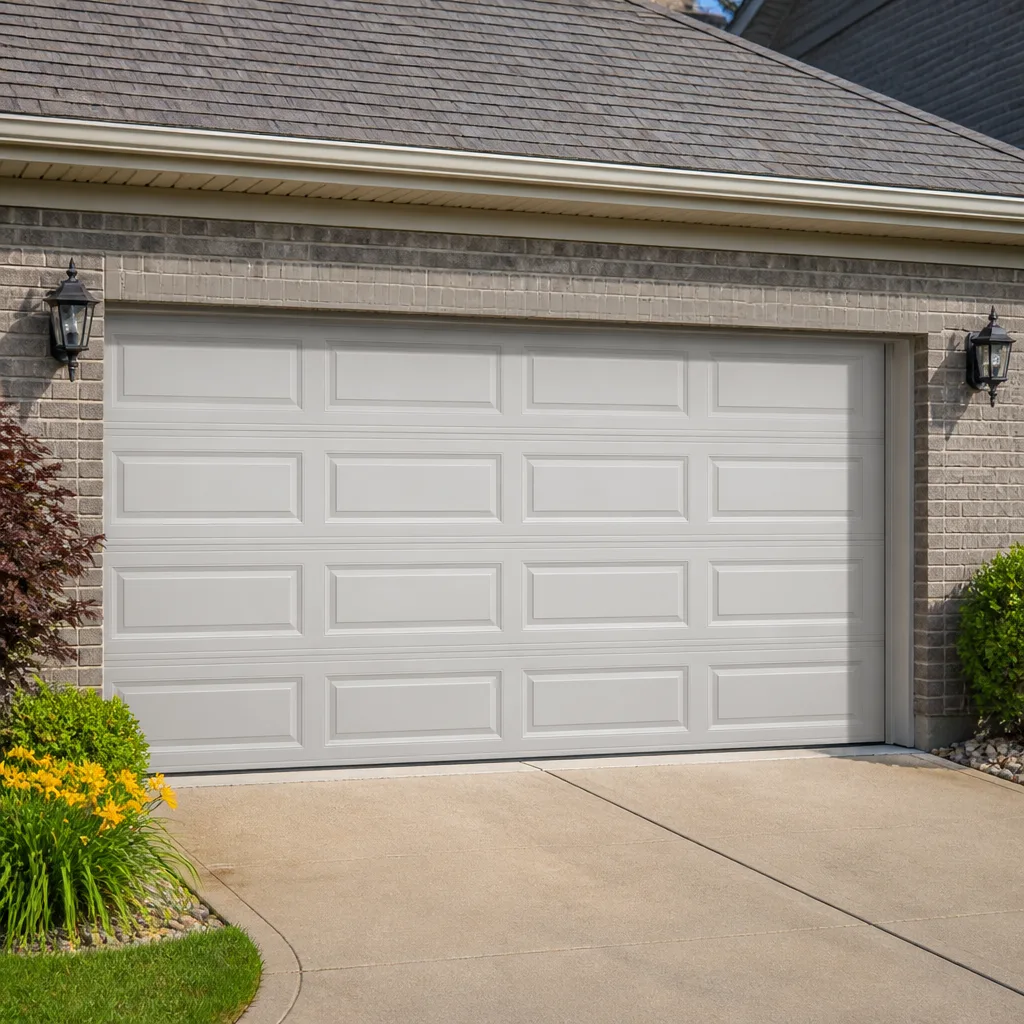 Raised-panel steel
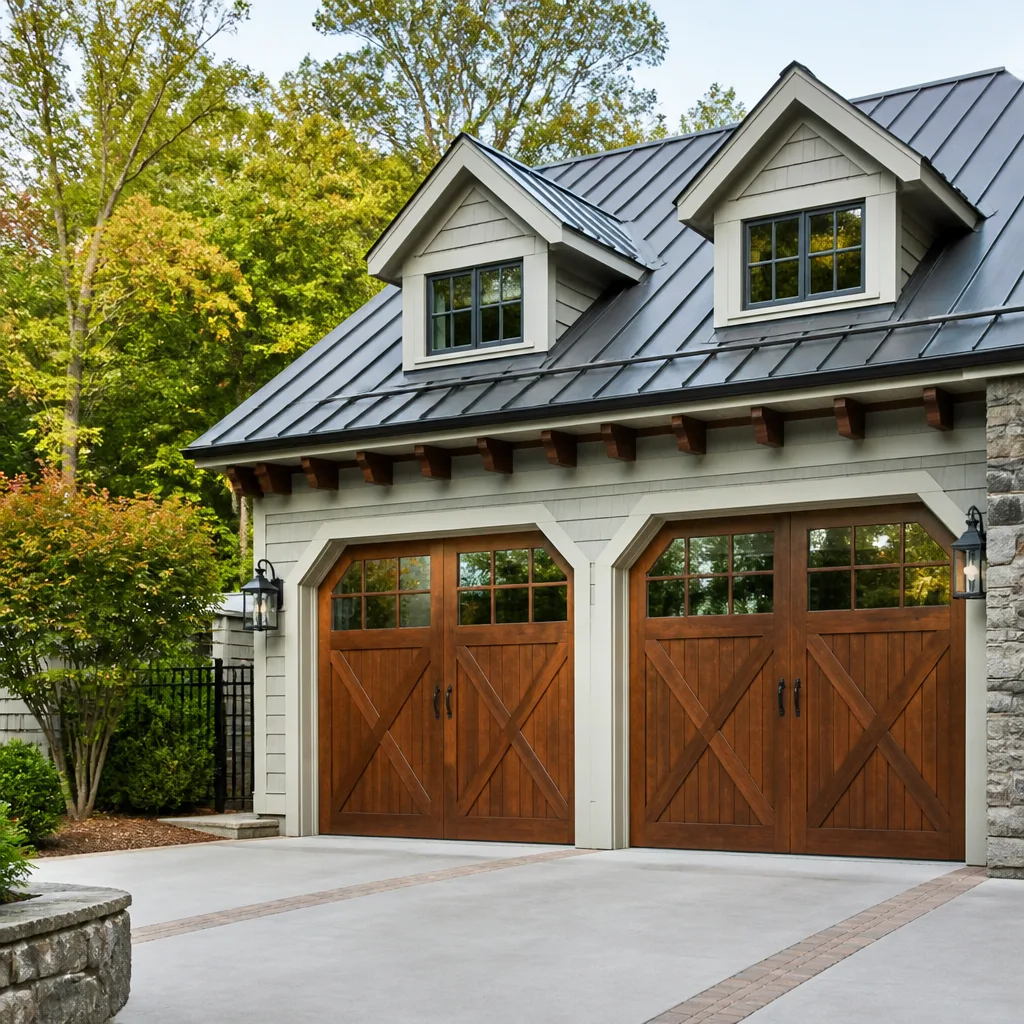 Carriage house
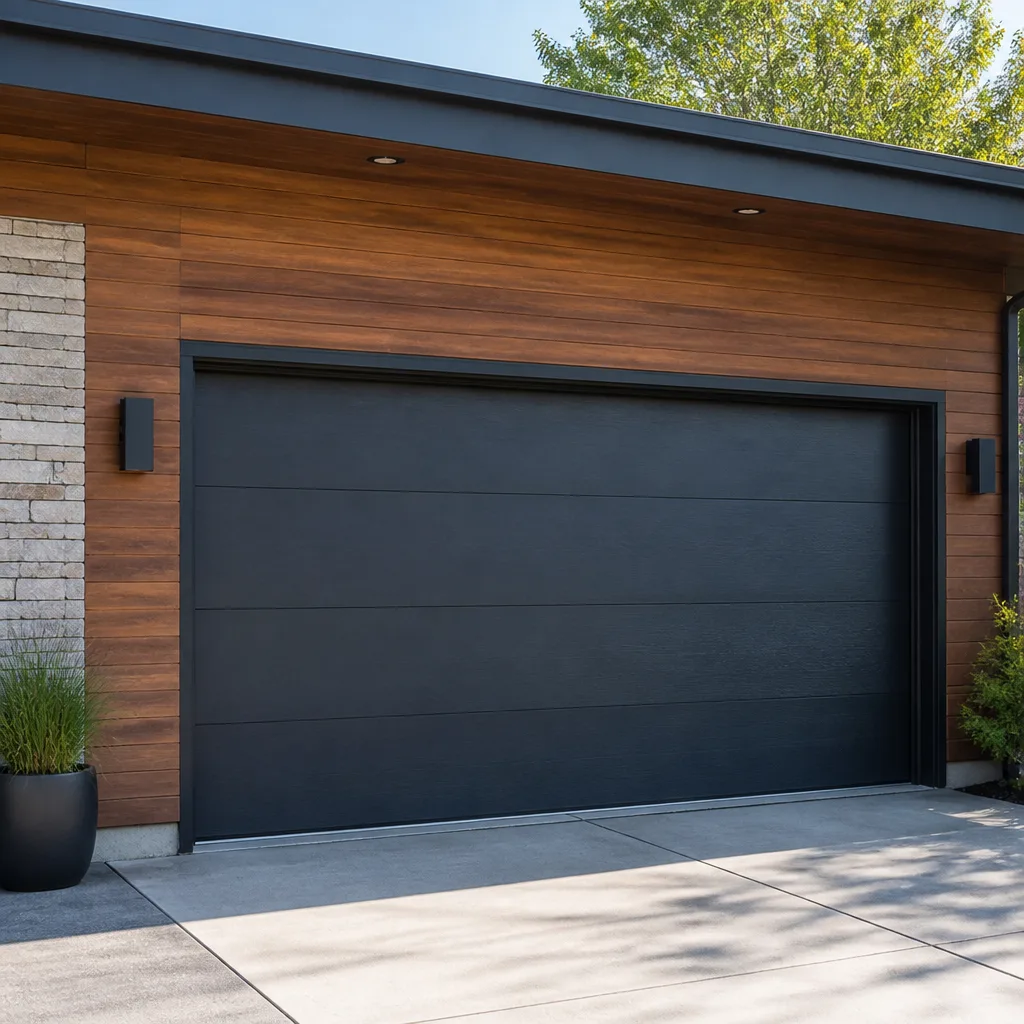 Modern flush
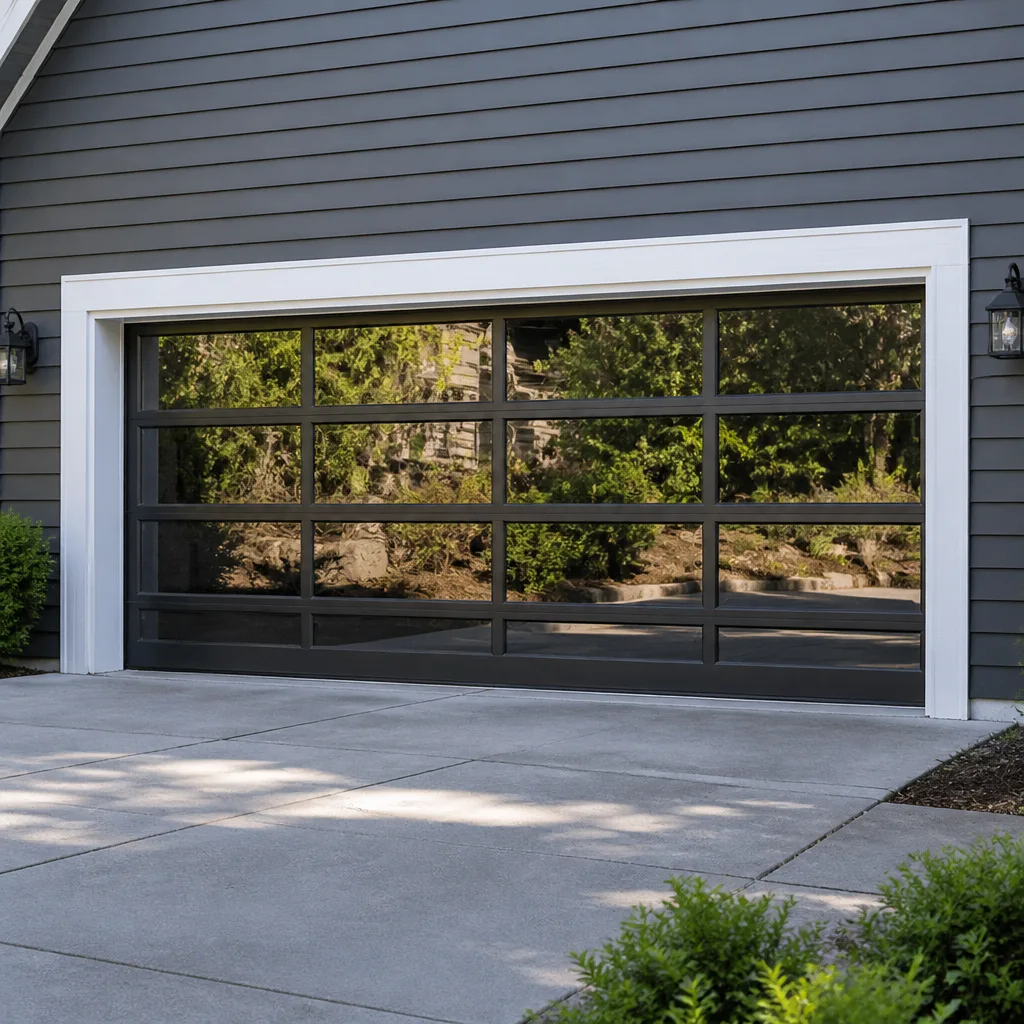 Full-view glass
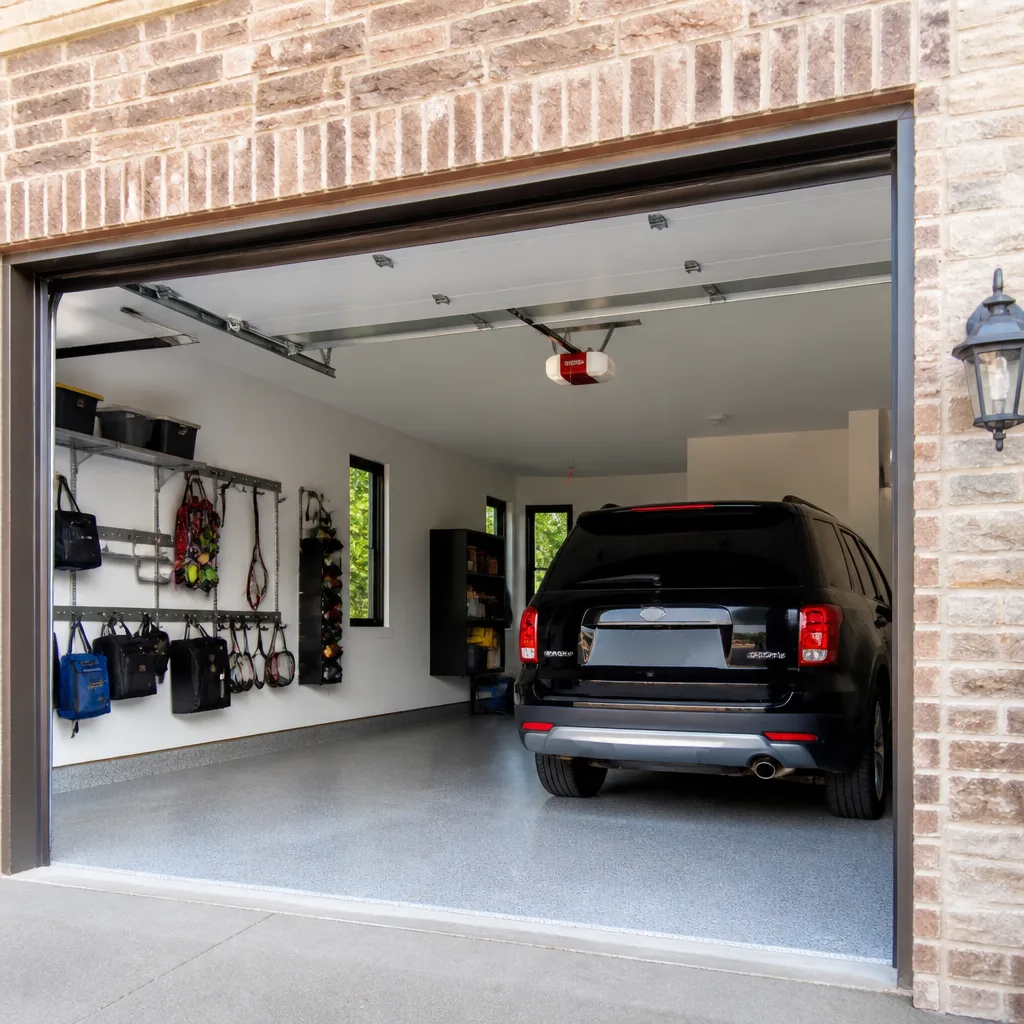 LiftMaster openers
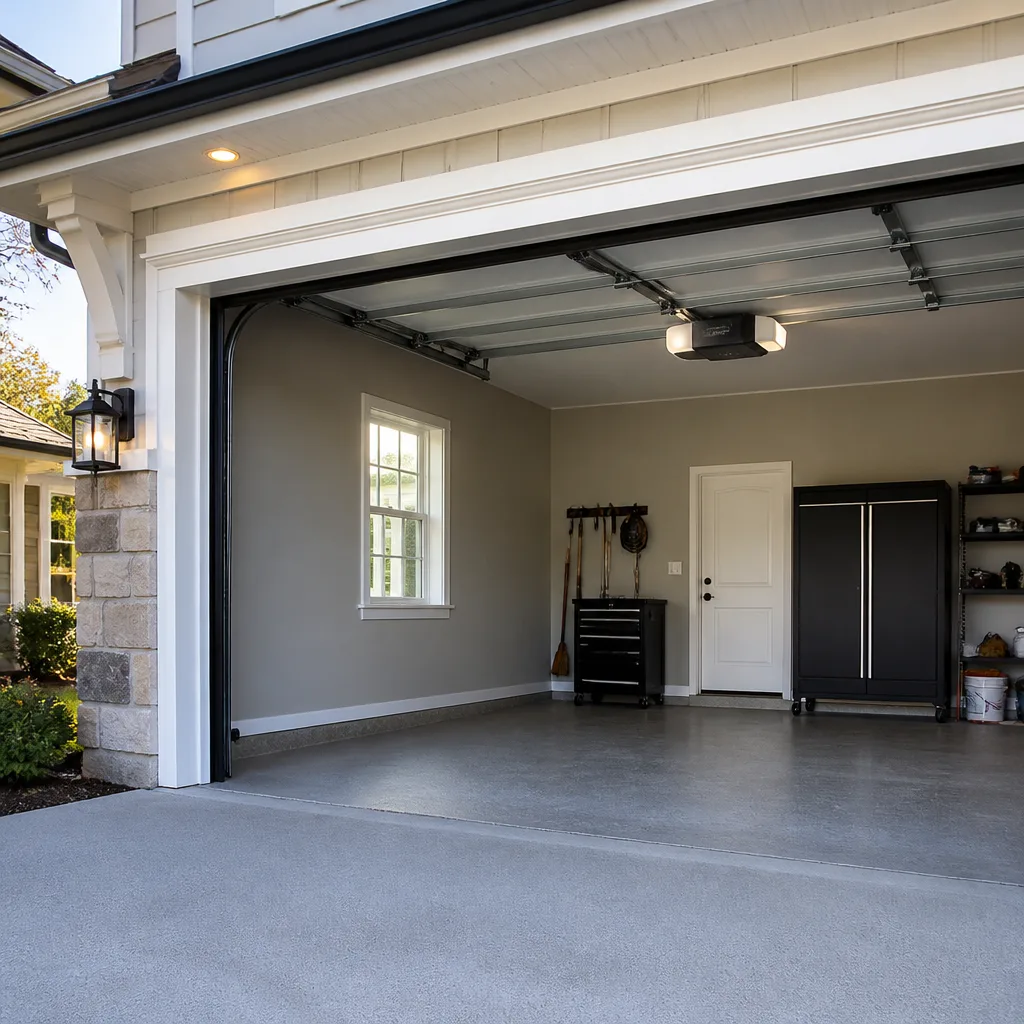 Chamberlain openers
Full 25-point door and opener safety check with every visit - springs, cables, rollers, tracks, and your LiftMaster or Chamberlain opener included
You get a price before we start. It does not change when the pro arrives.
Get your free estimateThe Complete Guide to Garage Doors in Edison
Most garage door guides assume a clean seven-foot clearance and a standard single-car opening. Plenty of homes in Edison don’t cooperate with that assumption, and the gap between a guidebook diagram and your actual garage is where budgets and timelines go sideways. Split-levels and 1960s colonials hide low beams and shallow ceilings above the tracks. Bi-levels put the garage under the main living space, which changes headroom in ways a floor plan never shows. Discover the ceiling height problem after the door is ordered and you’re waiting on a return and a reorder. This guide maps the decisions to the openings, ceilings and driveways that actually exist in Edison, from door sizing to opener horsepower to when a panel swap beats a full replacement. We’ll also explain why one company handling both the door and the opener keeps everyone honest when something goes wrong.
Quick Answer
Choosing a garage door in Edison comes down to three measurements your home dictates before brand or style matters: the headroom above the opening, the backroom behind the tracks, and the side clearance beside the opening. Homes built from the 1960s through the 1990s often have non-standard opening sizes, low ceilings in the garage, or framing that limits what can be installed without adjustment. Get those three numbers right and the door and opener choices fall into place. Skip them and even a well-made garage door repair or replacement plan can hit a wall the day the technicians arrive.
Styles & brands we work with
- Raised-panel steel
- Carriage house
- Modern flush
- Full-view glass
- LiftMaster openers
- Chamberlain openers
Table of Contents
- How Edison’s Housing Stock Changes the Door You Can Install
- The Three Measurements That Decide Everything
- Standard vs. Non-Standard Sizes in Edison
- Matching Opener Horsepower to Door Weight
- Panel Swap vs. Full Replacement
- Why One Contractor for Door and Opener Matters
- What the Major Brands Mean for Your Garage
- What Garage Door Work Costs in Edison
How Edison’s Housing Stock Changes the Door You Can Install
Edison is a large township with a housing mix that throws curves at any standard installation plan. The dominant styles are 1960s to 1990s colonials, split-levels and bi-levels, with newer townhomes filling in around them. Each style brings its own constraints.
A split-level typically has the garage tucked under a bedroom run, which drops the ceiling above the door tracks. That low headroom can rule out certain high-lift track configurations and door heights. A colonial often has an attached two-car garage with a more forgiving ceiling, but the opening width may fall short of today’s standard 16-foot double door. A bi-level puts living space directly above the garage, which means ceiling obstructions like ductwork, plumbing chases and structural beams.
We’ve seen all three patterns across Edison neighborhoods, and the lesson is consistent: the house decides the door long before you do. Before you pick a style or a brand, you need to know:
- The finished ceiling height directly above the door tracks
- The depth of the garage from the opening to the back wall
- The width of the opening and how much solid wall sits on each side
- Whether the ceiling is obstructed by ductwork, beams or plumbing
- Whether the driveway slopes in a way that affects the door’s bottom seal
Those five facts are what separate an installation that runs smoothly from one where the door arrives and doesn’t fit. Newer townhomes near the center of Edison tend to have more standardized openings, but they also tend to be tighter garages where every inch of backroom counts. Older colonials offer more space but less predictability.
The Three Measurements That Decide Everything
Before you compare brands or styles, take three measurements. They’re simple to take and they tell you more about your project than any brochure.
- Headroom. Measure from the floor to the lowest point of the ceiling directly above the door opening, not the highest point of the garage. If you have a beam, a duct or a light fixture in the path of the tracks, measure to that obstruction, not to the drywall. Headroom determines whether you can install a standard torsion spring system or need a low-headroom setup, and it caps the maximum door height.
- Backroom. Measure from the door opening back into the garage to the nearest obstruction (usually the back wall or a structural column). This is the distance the door panel needs as it opens along the horizontal tracks. A shallow backroom can mean a low-clearance track or, in tight cases, a high-lift setup that changes how the door stores overhead.
- Side clearance. Measure from the edge of the door opening to the nearest wall, column or protruding pipe on each side. That distance has to accommodate the vertical tracks, the springs and the brackets. A colonial with a tight corner next to the opening may not have the few inches the hardware needs.
Take all three numbers before you order anything. If you’re unsure how to read them, that’s what a free on-site estimate is for. An experienced technician looks at the same measurements and immediately knows which configurations are possible for your specific garage. In Edison, where the housing stock varies street by street, that on-site look matters more than a website photo of a pretty door.
Standard vs. Non-Standard Sizes in Edison
Standard single-car openings run nine feet wide by seven feet tall. Standard double-car openings run 16 feet wide by seven feet tall. Those are the numbers most manufacturers build to, and they’re what you’ll see in stock catalogs and installation guides.
Plenty of Edison homes don’t hit those numbers exactly. Older lawns built in the 1960s and 1970s were developed with slightly different opening sizes, and some of them don’t match today’s “standard.” You might find an eight-foot-wide single-car opening, a 15-foot double, or a seven-and-a-half-foot height that doesn’t line up with a stock door.
Why does this narrow your options? Because a door built to a non-standard size has to be ordered to fit. That means a longer lead time, a higher cost, and fewer brands to choose from. Some brands manufacture custom sizes more readily than others. Clopay and Amarr, for example, both have broad enough catalogs that a slightly off-standard opening doesn’t become a problem. Wayne Dalton’s narrower sizing range can force a custom build in some cases.
What you shouldn’t do is assume a stock door will fit just because the opening looks close. A door that’s a half-inch too short or too wide won’t seal properly, and the gap will leak air, water and pests. Older framing also tends to be less square than new construction, so the opening’s true measurements can differ from top to bottom or left to right. Measure at the widest and tallest points to be safe.
Matching Opener Horsepower to Door Weight
Opener horsepower is one of the most common upsell traps in the garage door business. A bigger motor doesn’t automatically mean a better setup. What matters is matching the opener’s rated capacity to the weight and type of door it needs to lift, and matching the drive type to what the garage can accommodate.
Here’s how the three main drive types break down:
- Belt drive. Quietest option. Good fit for garages under or beside bedrooms, which describes many Edison bi-levels and split-levels where the garage shares walls with living space.
- Chain drive. The workhorse. Louder than belt, but built for heavier insulated doors and longer service life on high-cycle applications.
- Screw drive. Fewer moving parts and quiet, but a bit less common. Worth considering when you want low maintenance and the door weight is within spec.
On horsepower: a single-car door that isn’t insulated usually works fine with a 1/2 HP opener. A double-car door, especially an insulated double door with a steel skin and insulation, often needs 3/4 HP or higher to lift smoothly and hold up over time. A 1 HP or 1-1/4 HP opener in a light single-car garage isn’t more capable of doing the job; it’s just more capacity than the door needs.
The upsell trap is being sold a heavy motor when a lighter one would fit, or a lighter motor than the door actually requires. We see the second problem more often in older Edison homes where the original opener was sized for a lighter door and a heavier insulated door got fitted later. The motor works harder than it should, and the lifespan drops. If you’re planning to add an insulated door, check that the garage door opener repair or replacement plan accounts for the extra weight.
One more thing: horsepower numbers on modern openers don’t tell the whole story. Smart openers from Genie, LiftMaster and Chamberlain also carry battery backup, Wi-Fi connectivity and safety sensors. If your garage has weak cell signal or you want to control the door remotely, that’s worth more than an extra half-horse on the motor.
Panel Swap vs. Full Replacement
A panel swap replaces one or more of the door sections and keeps the existing tracks, springs, rollers and opener. A full replacement takes out the entire system and installs a new door, tracks, springs and (usually) opener. The right choice depends on the state of the framing and the rest of the system, and in Edison’s older housing stock the answer isn’t always obvious.
Panel replacement is usually the smarter move when:
- The tracks are straight and the torsion spring system is in good shape
- The damage is limited to one or two panels (impact, dents, cosmetic)
- The door’s size matches a currently manufactured model so a replacement panel is available
- The framing around the opening is sound and the opening is plumb
Full replacement makes more sense when:
- The tracks are bent, rusted through or bowed out of square
- The springs are near the end of their service life and the door panels have multiple problems
- The door is 20 or more years old and the style is no longer manufactured
- The framing has settled or was poorly built, so the opening is out of square
- You want to switch to an insulated door or a different material
In Edison’s older colonials, the framing question comes up more than you’d think. Rough-framed openings from the 1960s weren’t always square, and over the decades a door that started out aligned can work its way out. If a panel swap is done on an opening that’s already off, the new panel may not seal properly, and the tracks or brackets may need adjustment anyway. Sometimes the panel swap and the framing correction cost close to a full replacement, which changes the math.
We diagnose the whole system before recommending either path. The goal is the right fix, not the easiest upsell. If the existing door has good bones and the framing is solid, a panel swap saves real money. If the framing or tracks are the actual problem, we’ll say so.
Why One Contractor for Door and Opener Matters
When two separate companies install the door and the opener, the finger-pointing starts the moment something goes wrong. The door company says the opener is misadjusted. The opener company says the door is binding. You’re stuck in the middle paying for diagnostics on both sides while the actual problem goes unfixed.
That’s the practical reason to have one company handle the door, the opener and the installation. The same technicians who hang the tracks and set the springs also set up the opener, program the travel limits, align the safety sensors and run the first open/close cycle. If the door binds, the opener’s limits get adjusted. If the opener lags, the spring tension gets checked. Nobody points at the other crew, because there isn’t one.
That single-company structure also helps with brand matching. We work on eight major brands across doors and openers: LiftMaster, Chamberlain, Genie, Clopay, Amarr, Wayne Dalton, Craftsman and Raynor. If your Edison home already has a Genie opener and a Clopay door, we service both without you needing to call a Genie specialist and a Clopay specialist. If you’re installing new, we install from the same brand roster we repair, so the advice on which opener pairs best with which door comes from technicians who already know how those products hold up in the field.
There’s a second reason that comes up in older homes. A full-system view catches problems a parts-only approach misses. The door might seem fine but the spring sizing is off for an opener upgrade. The opener might test fine but the door’s bottom seal leaks, stressing the motor over time. When one set of eyes covers the whole system, those cross-system issues surface before they turn into a repair bill.
If you’re ready to have someone look at the whole setup, the team at Edison Garage Door Service handles door repair, opener repair and full installation under one company, so you don’t have to coordinate two vendors for one job.
What the Major Brands Mean for Your Garage
Brand matters less than fit, but fit and brand aren’t the same thing. Here’s how the major brands typically land in Eddie’s housing stock and what that means for your project.
Clopay and Amarr both build a broad range of residential door sizes and styles, including insulated options and styles that suit colonial and bi-level homes. Both are generally good fits for Edison homes that need something close to standard sizing or a straightforward custom build. If you’re replacing a door in a colonial with a clean two-car opening, either brand gives you plenty of choice.
Wayne Dalton has a somewhat narrower sizing range on some models, which can push a custom build when the opening doesn’t match a standard size. It’s a good brand, but in an older Edison home with an off-standard opening, you’ll want to confirm the sizing before committing.
Genie, LiftMaster and Chamberlain cover the opener side. All three build reliable openers, and the right pick usually comes down to drive type and smart-home features rather than brand reputation. If you want belt-drive quiet for a bi-level, LiftMaster and Chamberlain both have strong belt-drive options. If you want battery backup and Wi-Fi as standard, check the specific model, not just the brand line.
Craftsman and Raynor show up frequently in existing Edison homes, especially on door and opener combos installed by previous owners. We repair both, which means you don’t have to replace a functioning system just because a technician doesn’t recognize the brand.
Whatever brand you have now, the first step is having a technician confirm what’s installed and what it can support. The right fix often isn’t a full brand swap, it’s a repair or adjustment on the brand you already have.
What Garage Door Work Costs in Edison
Pricing varies by job, but here’s how costs typically break down in Edison. Treat these as estimates. The written quote you receive sets the final price, and that price is agreed before any work starts.
| Job | Typical Estimated Range |
|---|---|
| Single spring replacement (one spring) | $180 to $340 |
| Matched pair of springs (both replaced together) | $360 to $680 |
| Torsion spring system replacement (springs plus hardware) | $280 to $520 |
| Opener replacement (standard belt or chain) | $320 to $580 |
| Opener repair (minor, sensors, wiring, adjustment) | $150 to $320 |
| Single panel replacement | $250 to $650 depending on brand and model |
| Full single-car door installation | $1,100 to $2,400 |
| Full double-car door installation | $1,800 to $4,200 |
| Full system installation (door plus opener) | $2,200 to $4,800 |
Those ranges reflect what we typically see across Edison. Two variables move the number up or down. The first is whether the opening is standard or custom: a custom-sized door costs more than a stock door because the manufacturer builds it to your specific opening. The second is whether the framing needs correction, which occasionally adds to the total on older homes that have settled or were built out of square.
Every estimate is free, and the price is quoted and agreed before any work starts. That last part matters. A free estimate isn’t a free estimate if the final invoice climbs above the quote when the technician arrives. Ask for the written quote before you approve anything, and treat that quote as the price for the job.
Common Mistakes to Avoid
- Skipping the headroom and backroom measurements before shopping. A beautiful door that doesn’t fit your garage’s clearance isn’t a beautiful door; it’s a return shipment. Measure first, choose second.
- Assuming your opening is standard. In Edison’s 1960s and 1970s homes, a nine-foot opening might actually be eight feet, and a seven-foot height might actually be seven and a half. Measure at the widest and tallest points.
- Oversizing the opener horsepower as “insurance.” A heavier motor isn’t a better motor. Match the horsepower to the door weight and skip the upsell.
- Hiring two companies for one job. When the door and opener are installed by different crews, the diagnostic blame game costs you more than the combined pricing would have.
- Ignoring a binding door for months. A small alignment problem stresses the opener’s motor and spring system every time the door opens. Fixing it early is cheaper than fixing it after the motor fails.
- Choosing a brand before checking size availability. Some brands handle custom sizing faster than others. If your opening is off-standard, this changes your short list.
- Skipping the free estimate because the opening “looks fine.” Older Edison framing often looks fine until a technician measures it. The free estimate exists for exactly this reason.
Reminder on safety: high-tension torsion springs under a loaded garage door are under enormous tension, and the wrong move can cause serious injury. Don’t try to adjust or replace a spring yourself. A trained technician handles that safely as part of a properly licensed job.
See the difference
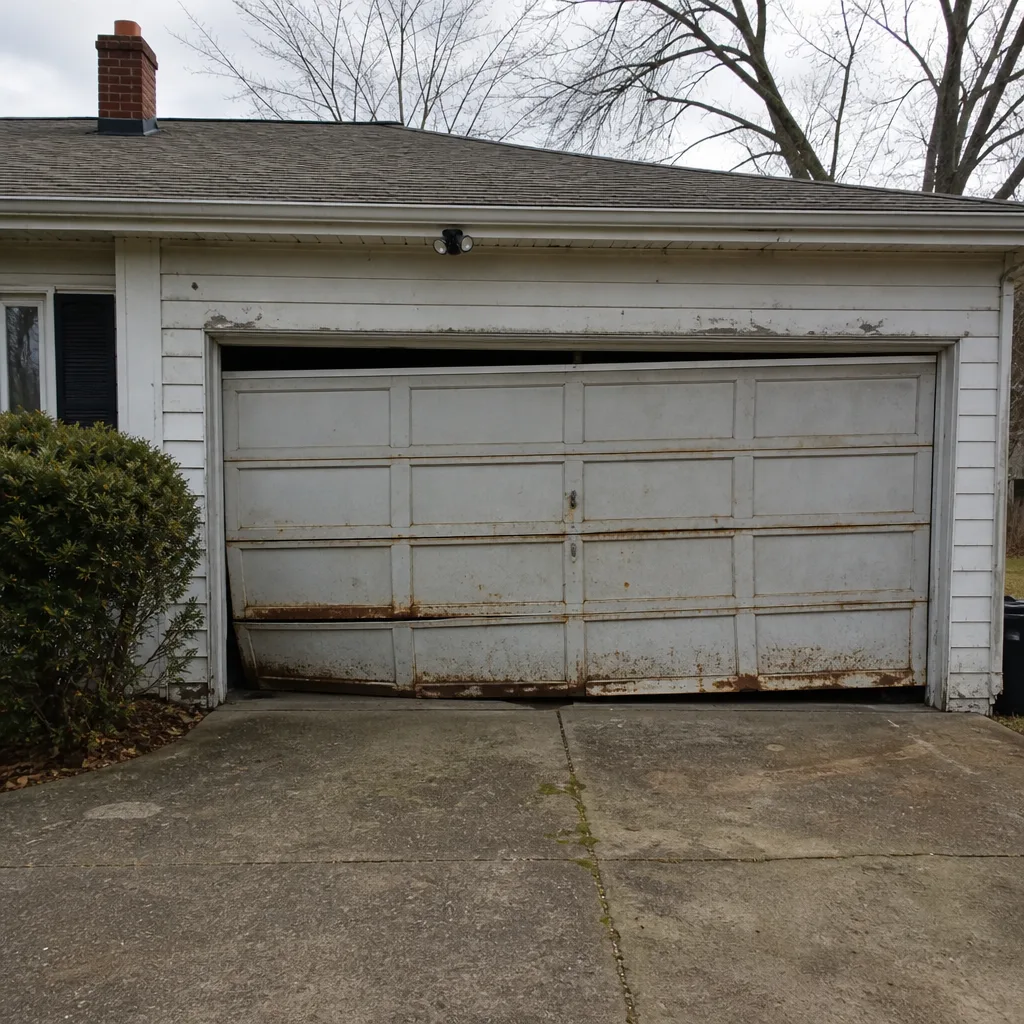 Before
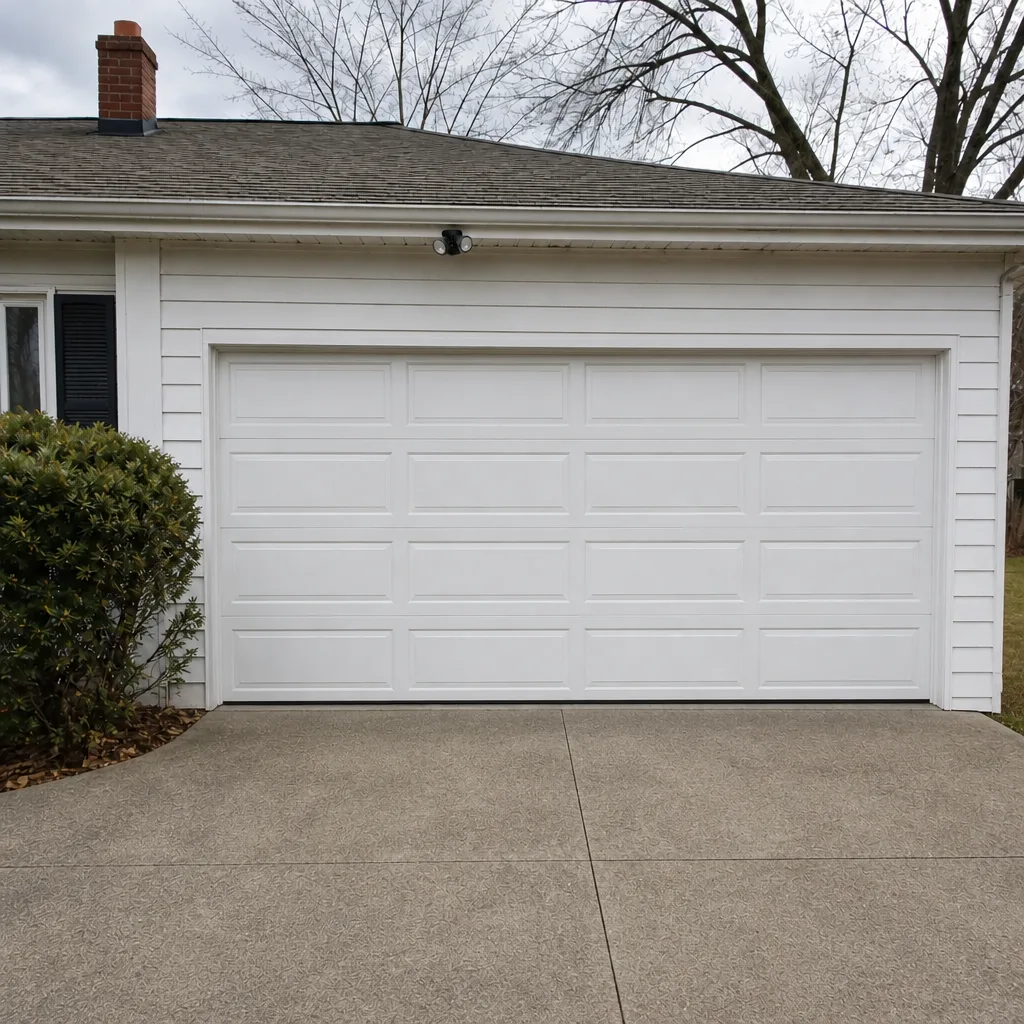 After
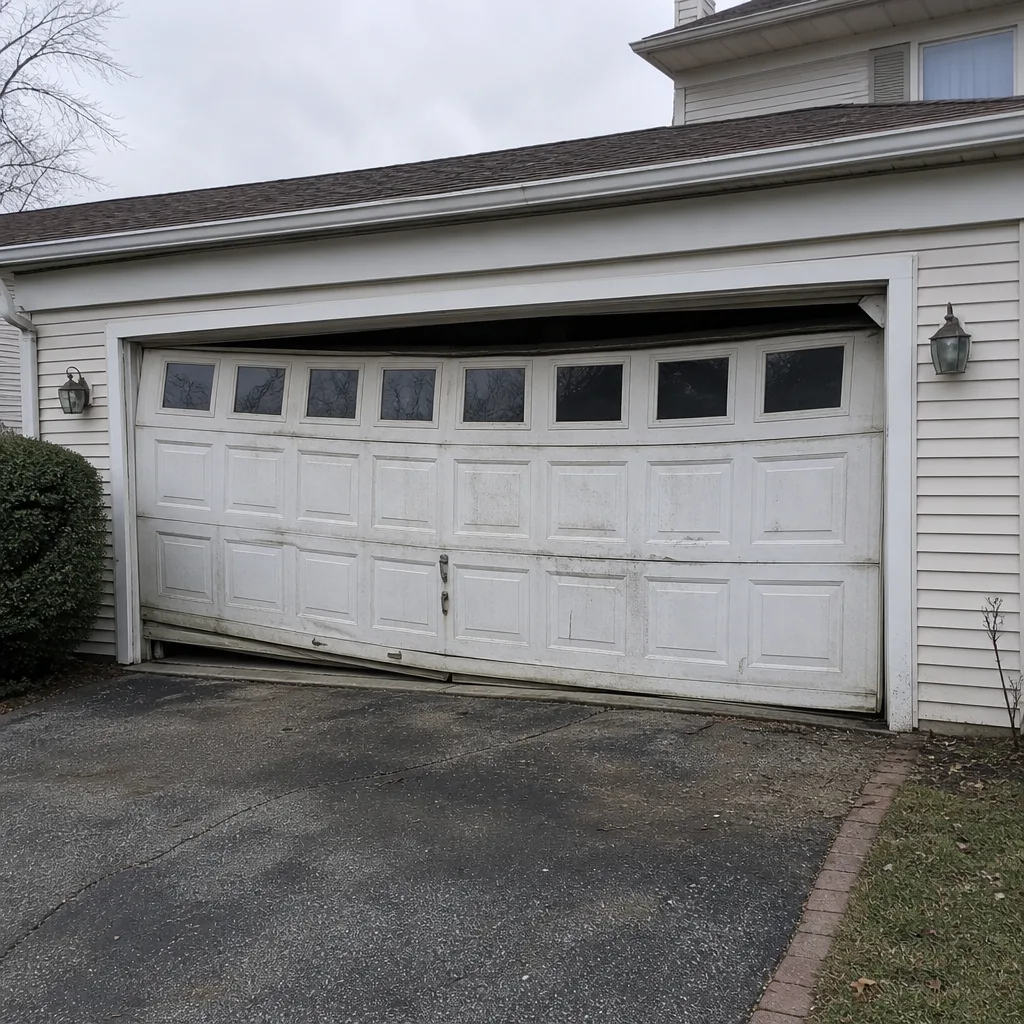 Before
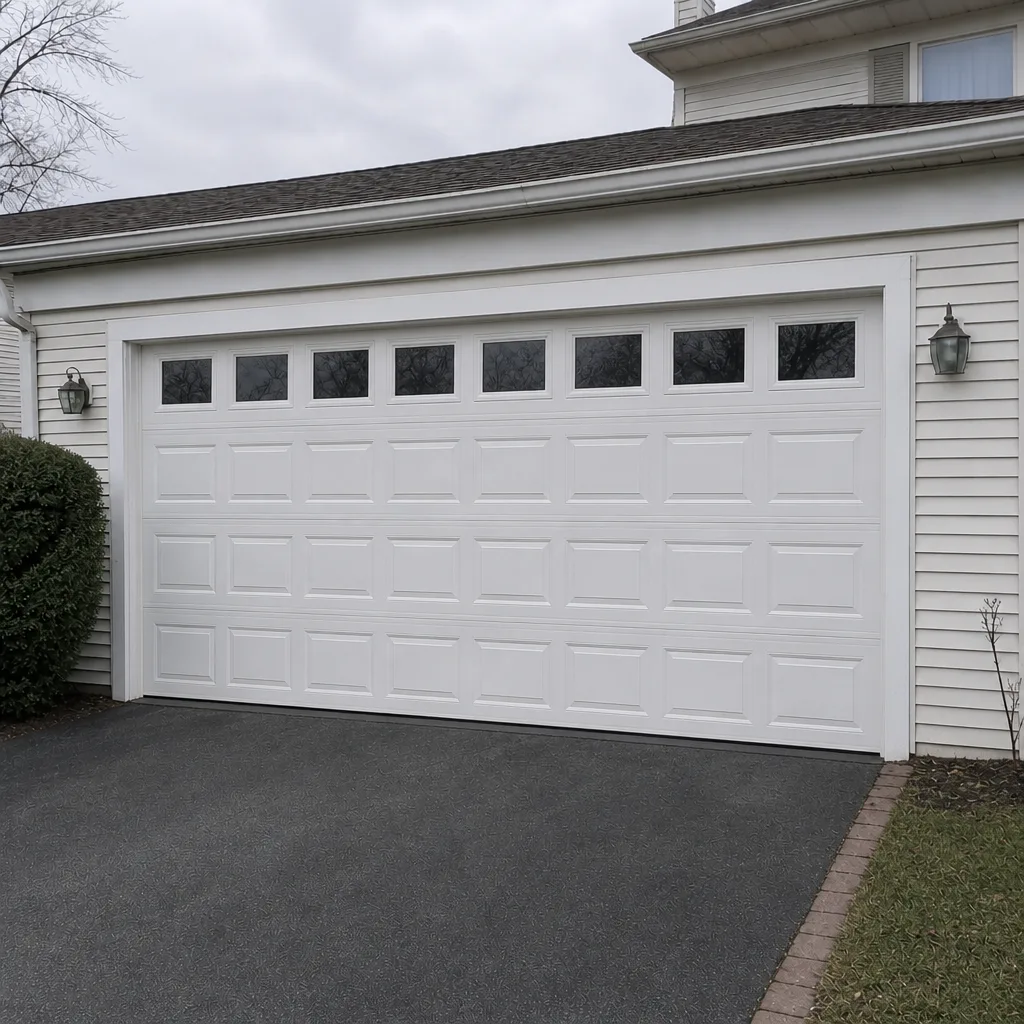 After
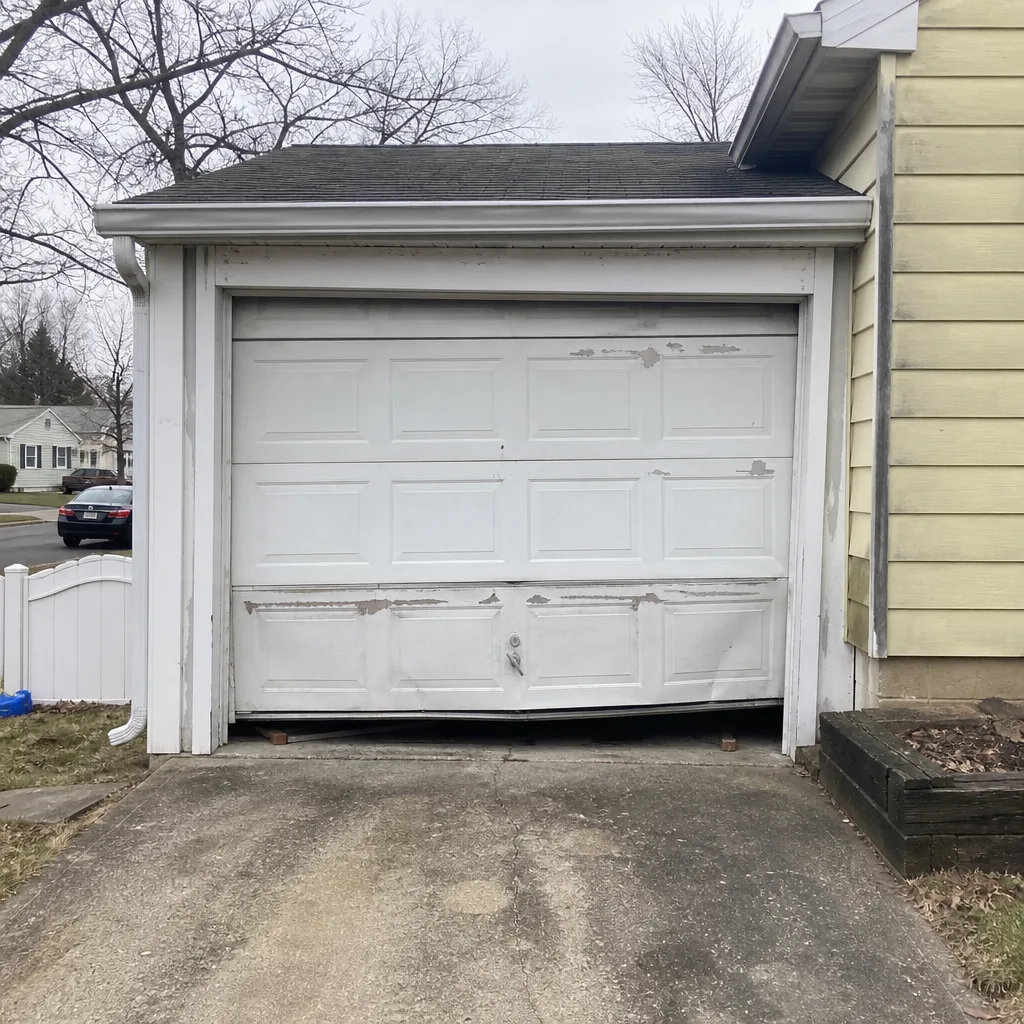 Before
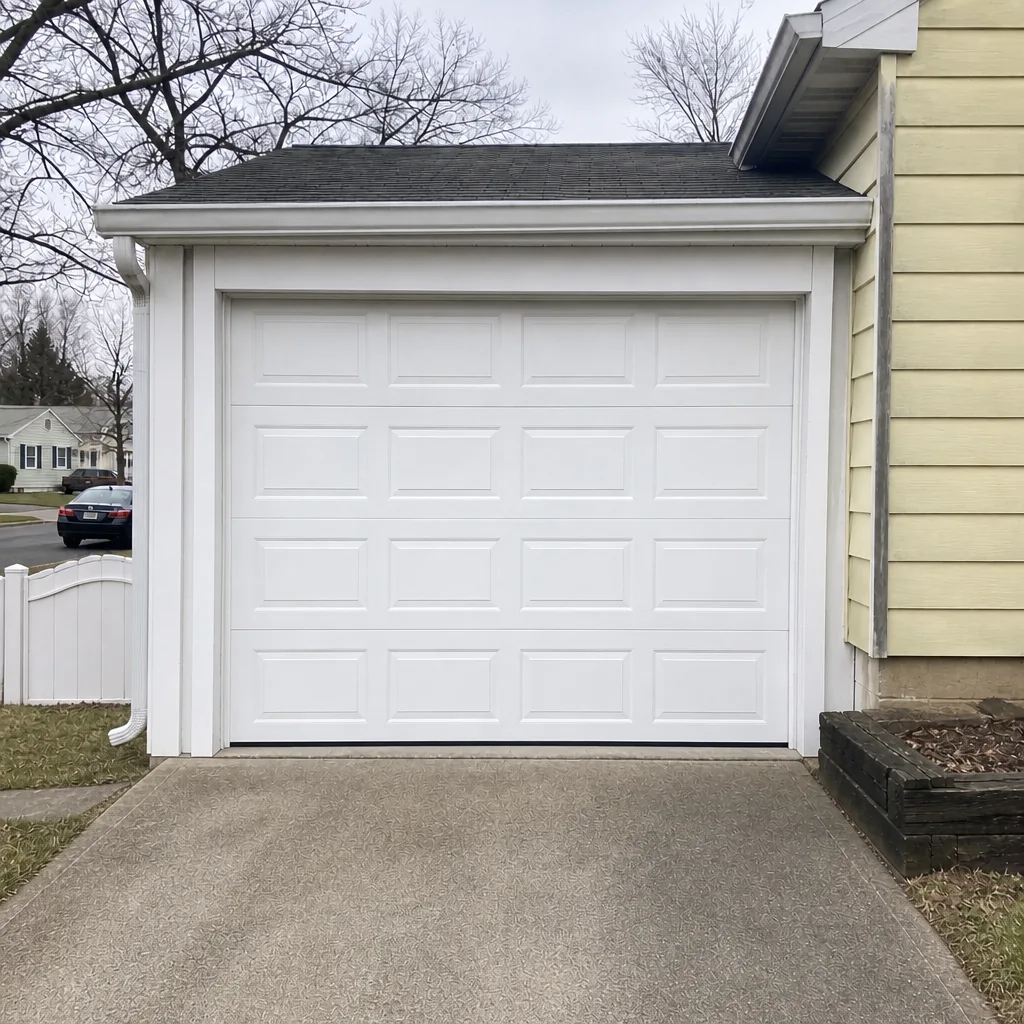 After
When to Call a Professional
Call a professional if the door doesn’t open or close evenly, if the springs have visibly stretched or broken, if the opener runs but the door doesn’t move, or if the door reverses randomly on the way down. Those are all signs of a problem that gets worse the longer it sits. If the door won’t close fully and the gap stays open, that’s a security and weather issue that’s worth a same-day call. And if you’re planning a new door or opener, have a technician measure the opening before you order. There’s no reason to guess.
Fixing a misaligned track, replacing a spring, swapping a panel or installing a new opener all look similar from the outside. They’re not. Each one has different tools, different safety protocols and different failure modes if done wrong. A trained technician diagnoses which one you actually have instead of guessing.
Edison Garage Door Service offers free estimates in Edison. Call (877) 471-0219 to get a technician to your door. We answer 24/7, with fast dispatch from 7am to 7pm, Sunday through Friday.
Frequently Asked Questions
Garage door repair in Edison typically runs $150 to $650 depending on the job. A minor opener adjustment or sensor repair lands near the lower end, while a spring replacement or panel swap falls in the middle. Full system replacements run higher. Every price is set by a written estimate, and that estimate is free. Call (877) 471-0219 for an exact quote; estimates are free.
Same-day service is often possible for repair calls, and we dispatch 7am-7pm Sunday through Friday. If you call outside those hours, we answer 24/7 and book the call into the next opening. Call (877) 471-0219 and we’ll confirm the earliest available time for your Edison address.
The price you’re quoted is the price for the job. We quote and agree the price before any work starts, so you’re not surprised by the invoice. If we discover something the estimate couldn’t have seen (a hidden framing issue, for example), we talk to you before doing anything extra. Call (877) 471-0219 for a free estimate.
We service doors and openers from LiftMaster, Chamberlain, Genie, Clopay, Amarr, Wayne Dalton, Craftsman and Raynor. If you have one of those installed, we work on it. No pressure to replace a system just because it isn’t a brand we stock. Call (877) 471-0219 to confirm your model.
It depends on the scope of the work and how your city classifies it. Before ordering a new door, check your Edison building department for the current requirements. Ask specifically whether a straight swap of the same size requires a permit and whether the install needs an inspection. That phone call takes ten minutes and settles the question in advance.
Low ceilings don’t always rule out a new door. Low-headroom track configurations and different spring placements can often fit a door into a garage with less headroom than standard. The only way to know for sure is to have a technician measure your actual ceiling. Call (877) 471-0219 and we’ll take a look before you commit to any door.
The Bottom Line
Garage doors in Edison are shaped by the housing stock. Between split-levels with low ceilings, colonials with off-standard openings and bi-levels with ducts in the way, the door, opener and install choices aren’t the same as they’d be in newer construction. Measure headroom, backroom and side clearance before anything else. Match opener horsepower to the door weight rather than the sales pitch. Choose panel swap or full replacement based on the state of the framing and tracks, not just the visible damage. Have one company handle the door and the opener so you’re not stuck in the middle when two crews point at each other. The written quote sets the price, every estimate is free, and the right fix is the one that fits your garage, not the one that’s easiest to sell.
If you’re ready to have your door or opener looked at by a technician who knows the brand, the garage and the trade, get in touch. Call (877) 471-0219 for a free estimate. We answer 24/7, with fast dispatch from 7am to 7pm, Sunday through Friday.
Written by the team at Edison Garage Door Service.