
Last updated November 15, 2026
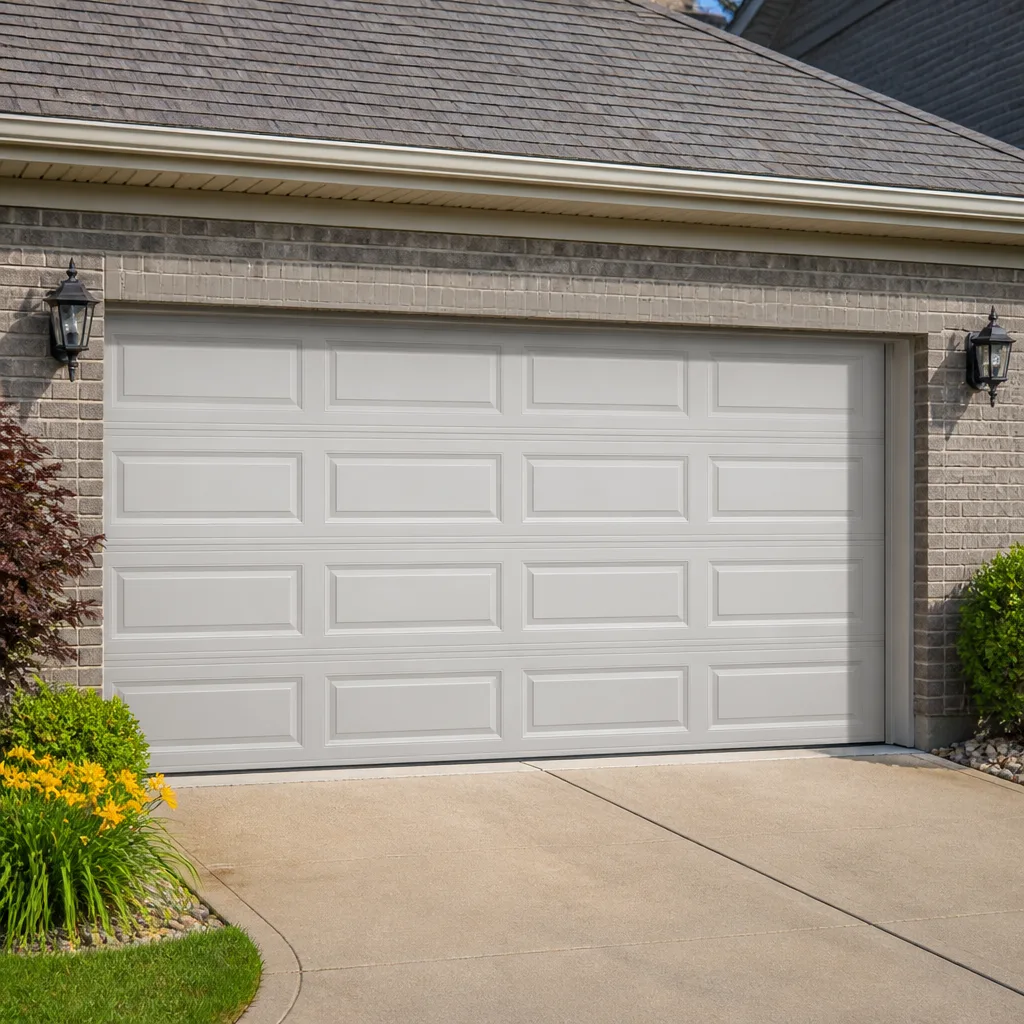 Raised-panel steel
 Carriage house
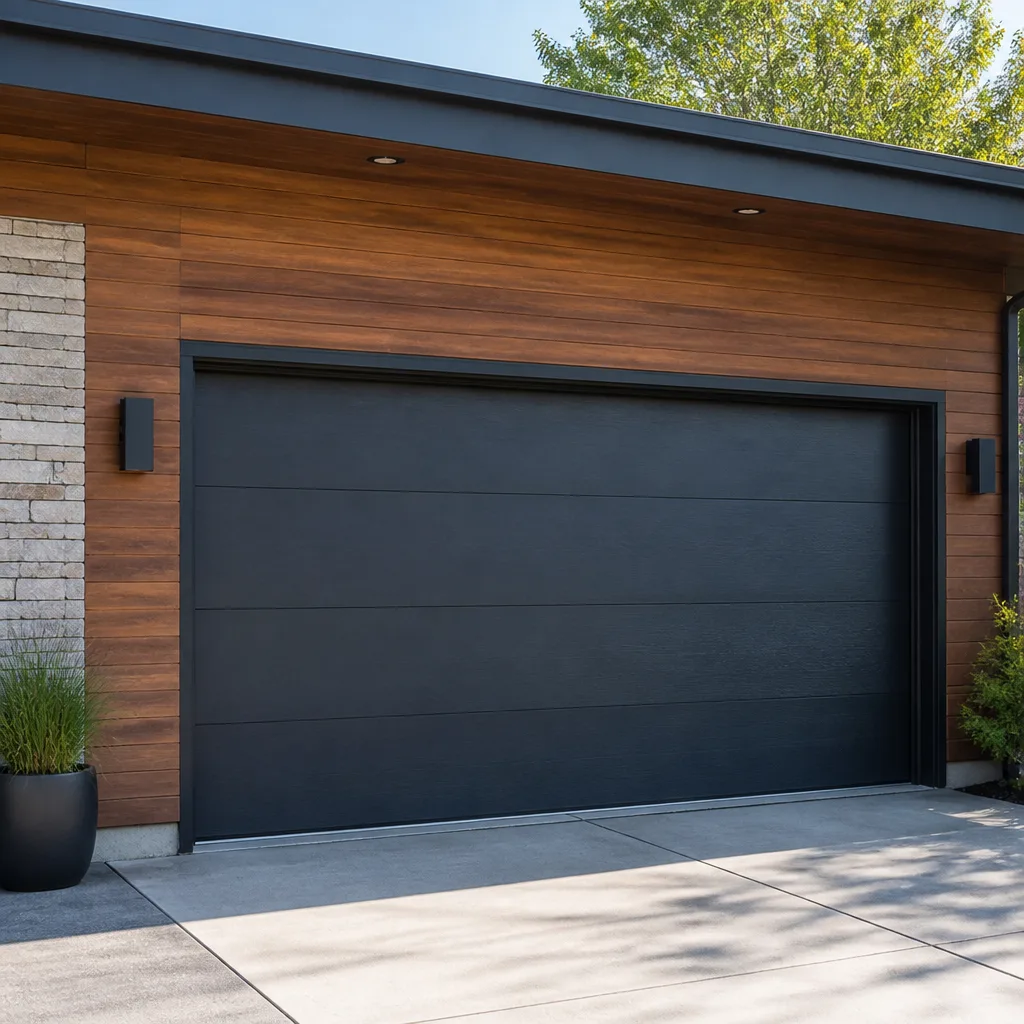 Modern flush
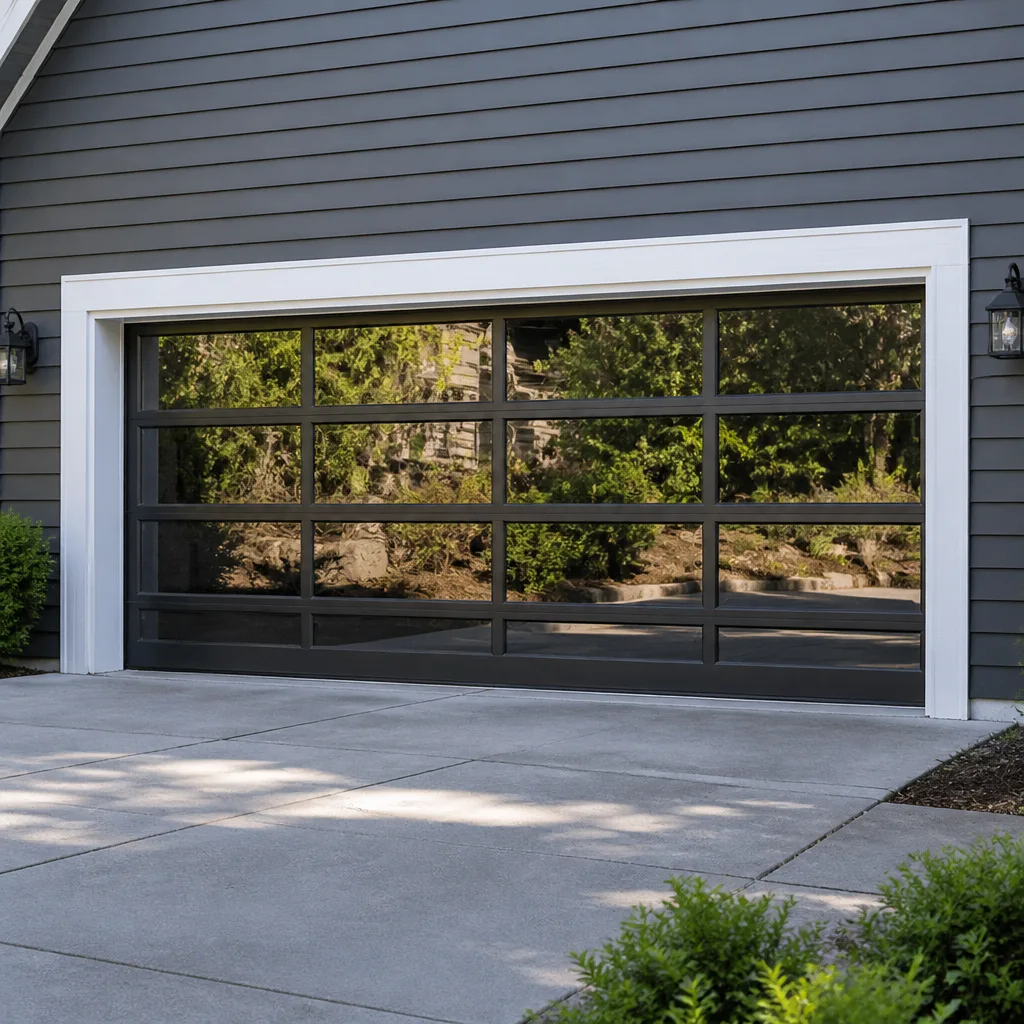 Full-view glass
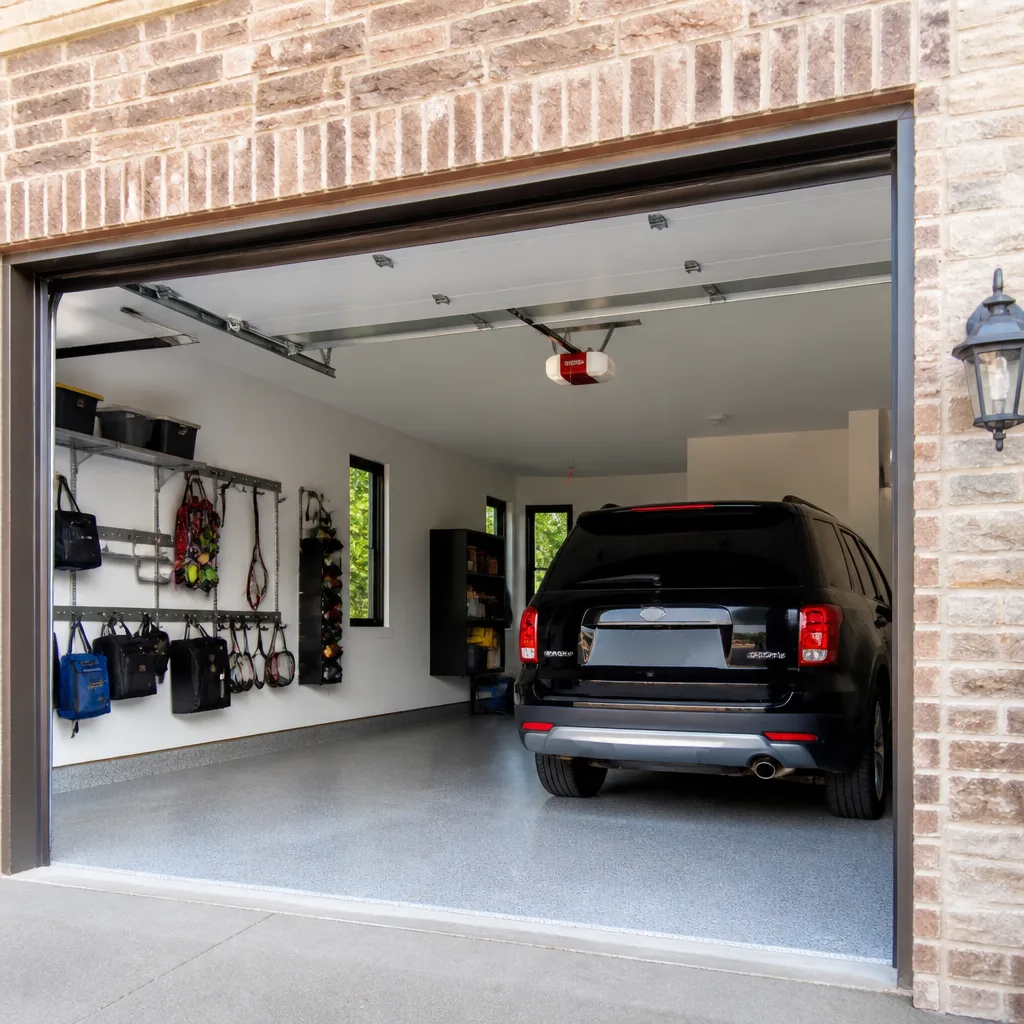 LiftMaster openers
 Chamberlain openers
Full 25-point door and opener safety check with every visit - springs, cables, rollers, tracks, and your LiftMaster or Chamberlain opener included
You get a price before we start. It does not change when the pro arrives.
Get your free estimateDIY vs Professional Garage Door: The Edison Homeowner’s Decision Guide
Most homeowners who get hurt or waste money on a garage door aren’t careless or unhandy. They simply picked the wrong task to try. The story you hear about garage doors is that it’s all dangerous, so don’t touch anything. That’s not quite true. Replacing a bottom seal or swapping a remote battery is genuinely a weekend job, and paying a technician for it is overkill. But a fully wound torsion spring stores enough energy to break a bone or worse, and no video prepares your hands for the moment the stored tension releases. This guide splits the garage door into tasks that are safe to do yourself, tasks where you should proceed carefully, and tasks that belong to a trained professional. By the end, you’ll know exactly where your project falls, how to diagnose it before you call anyone, and when the honest math favors hiring someone. For homeowners in Edison, we’ll also cover what a failed DIY attempt tends to cost once a technician steps in.
Quick Answer
Safe DIY garage door tasks are limited to things outside the spring and cable system: cleaning and lubricating tracks and rollers, replacing the bottom weather seal, adjusting a photo-eye, and reprogramming a remote or keypad. Spring, cable, and high-tension work belongs to a trained professional because the stored mechanical energy can cause serious injury. Everything in between, like a noisy opener or a door that closes unevenly, is a judgment call based on your tools and comfort level. When in doubt, call.
Styles & brands we work with
- Raised-panel steel
- Carriage house
- Modern flush
- Full-view glass
- LiftMaster openers
- Chamberlain openers
Table of Contents
- The Task-by-Task Matrix: What’s Safe, What’s Risky, What’s Professional-Only
- Why the Spring and Cable System Is Different From Every Other Part
- The DIY-Eligible Tasks: Tools, Time, and Whether the Math Works
- How to Diagnose Your Door Before You Call Anyone
- What a Failed DIY Repair Costs You in Edison
- The One Job Where Hiring Wins From the Start: Opener Installation
- Why Brand Familiarity Matters When You Call for Help
- What’s Different About a Garage Door in Edison
The Task-by-Task Matrix: What’s Safe, What’s Risky, What’s Professional-Only
The single most useful thing you can do before touching your door is to sort your problem into one of three buckets. Here’s how we think about every job we see. This matrix is the heart of the DIY-versus-professional decision, so read it carefully and find your situation.
Safe for DIY
- Replacing the bottom weather seal. A rubber or vinyl seal slides into a channel or attaches with small fasteners. No tension, no springs. It’s one of the most common wear items on a door and a genuine weekend fix.
- Cleaning and lubricating tracks, hinges, and rollers. A rag and a proper garage-door lubricant keep the door quiet and moving freely. No disassembly required.
- Aligning or cleaning the photo-eye (safety sensor) lenses. A door that reverses the moment it starts closing is often just a dirty or bumped sensor. Wipe the lenses and check that they face each other.
- Reprogramming a remote, keypad, or connecting a smart opener. These are button-and-press sequences from the opener manual. This is exactly the territory where a brand you recognize matters, since the programming steps vary by model.
Proceed With Caution
- Replacing rollers or hinges on a door in the closed position. Doable on some doors, but only if you understand that the door needs to be in the right position and secured. Get this wrong and the door can shift.
- Adjusting the opener’s travel limits or force settings. The buttons are accessible, but overcorrecting can make the door fail to reverse on an obstruction, which defeats the safety feature.
- Balancing the door (making it feel lighter or heavier by adjusting springs). We list this under caution only because some people attempt it. In practice, adjusting spring tension is professional work. See the next section for why.
Professional Only
- Torsion spring replacement or adjustment. A wound torsion spring stores tremendous energy. This is the single most dangerous job in the trade, and the reason technicians train for it specifically.
- Extension spring replacement. Less dramatic than torsion, but still under load, and still a part that can snap with force.
- Cable replacement. Cables are under tension and, if released incorrectly, can whip with enough speed to cause serious injury.
- Track replacement or realignment after impact. Bent tracks change how the door loads the whole system. Straightening them by eye rarely holds.
- Panel replacement on a damaged door. Panels carry the door’s weight and alignment. On some doors, replacing one panel means rebalancing the springs.
If your problem lands in the first bucket, you can handle it. If it lands in the third, that’s garage door repair territory and belongs to a trained technician. The middle is where you decide based on your tools and confidence.
Why the Spring and Cable System Is Different From Every Other Part
A garage door is a balancing act. The door itself can weigh a few hundred pounds, and the springs are what make it feel like it weighs almost nothing when you lift it. That’s the whole trick: the springs are wound to store the energy needed to counterbalance the door’s weight across the whole travel. When a spring is doing its job, you don’t feel the danger. That’s exactly what makes it dangerous.
Here’s the honest reason a video tutorial cannot substitute for training on this part. The spring’s energy is released the instant the winding hardware gives way, and that release happens faster than your reflexes. On a torsion spring, you’re working with metal winding bars that can kick back. On an extension spring, a snapped spring can fly with real force. There’s no slow-motion preview of that moment, and no pause button. A trained technician knows how to release the tension in a controlled way, which bars to use, and where their hands must and must not be at each step. That knowledge is the job.
We don’t say this to scare anyone off a project they can handle. We say it because the safety line on a garage door is drawn at tension, not at difficulty. A spring job isn’t “harder” than a seal replacement in the way an oil change is harder than filling a windshield washer. It’s a different category of risk. A professional should always handle anything that involves winding, releasing, or adjusting spring or cable tension. If your door is out of balance, one side feels heavy, or you hear a loud snap, treat it as a professional call and keep the door in the closed position until someone trained looks at it.
This is also why a technician is a genuinely useful expert on the whole system, not just one part. The door structure, the drive and motor, and the springs all work on each other. An out-of-balance door shortens the life of the opener. A worn opener overworks the springs. Getting the diagnosis right means seeing all three layers at once.
The DIY-Eligible Tasks: Tools, Time, and Whether the Math Works
For the jobs in the safe bucket, DIY can be a perfectly good decision. But before you start, run the math honestly. A task is worth doing yourself only if the tool cost and your time don’t outweigh what a professional estimate would cost. Here’s what each job actually involves.
Bottom Weather Seal Replacement
Tools: a utility knife, a flathead screwdriver or pry tool, and the replacement seal (matched to your door’s bottom channel shape). Time: under an hour for most doors. The math usually works here. Seals are inexpensive, and the tricky part is matching the style, not the labor.
Cleaning and Lubricating Tracks and Rollers
Tools: a rag, a stiff brush, and a garage-door-specific lubricant (not WD-40 for this). Time: 20 to 30 minutes. This is pure maintenance and worth doing on a schedule. No special skill needed, and it prevents plenty of small problems before they start.
Photo-Eye Alignment and Cleaning
Tools: a rag and possibly a screwdriver to loosen the sensor bracket. Time: minutes. A door that reverses right after it starts closing is often just this. Wipe the lenses, check that they face each other across the opening, and see if the problem clears. If it doesn’t and the wiring looks damaged, that’s a professional call.
Remote and Keypad Programming
Tools: none, just the manual and the brand’s programming sequence. Time: minutes. This is the task most likely to send someone to a technician for nothing, because owners can’t find the manual. Any reputable technician who works on your brand can sort it out quickly, but if you have the manual, you don’t need to call.
Here’s the honest test. If a job needs a tool you don’t already own and won’t use again, and the tool costs a meaningful share of a professional estimate, DIY stops making sense. Lubricant and a knife are keeps. A specialty winding bar or a set of spring tools you’ll use exactly once is a bad purchase, and it’s also the exact terrain that’s professional-only anyway. Do the safe jobs yourself and save your spending and your risk for trained work.
How to Diagnose Your Door Before You Call Anyone
One of the most avoidable costs in this trade is paying for a diagnosis you could have made in five minutes. You don’t need to fix anything to describe it well. You just need to observe. Run through these steps before you pick up the phone, and you’ll walk into the call already knowing what’s wrong.
- Watch the door move from closed to open and back. Does it start, stall, jolt, or move unevenly? A door that opens fine but closes hard, or the reverse, points to springs and balance. A door that moves smoothly but won’t respond to the remote points to the opener or sensors.
- Listen. A grinding or scraping noise usually means rollers or tracks. A rhythmic knock can be hinges. Silence when you expect motion is a motor or power problem. A loud snap followed by a door that won’t lift is a broken spring.
- Check the balance by hand. With the door fully open and the opener disconnected, a well-balanced door should hold itself roughly in place. If it slams down or feels very heavy, the springs are the issue. Do not close it by hand if it feels uncontrolled. Let it down slowly and carefully, or leave it and call.
- Test the safety reverse. Put an object in the door’s path as it closes. It should reverse. If it doesn’t, that’s a safety problem and should be fixed before the door is used normally.
- Note the brand and model. Look on the door panels for Clopay, Amarr, or Wayne Dalton, and on the opener for LiftMaster, Chamberlain, Genie, or Craftsman. Write it down. This single detail tells a technician what they’re dealing with before they arrive.
When you call with this information, the technician knows whether to expect a garage door opener repair visit or a mechanical repair. That saves time, and it means the first visit is more likely to be the only visit. In our experience, homeowners who take two minutes to describe the symptom accurately get to the right fix faster.
What a Failed DIY Repair Costs You in Edison
A failed DIY attempt on the wrong component doesn’t just leave you where you started. It often leaves you worse off, and that’s where the cost adds up. Here’s how the sequence usually goes, so you can see it coming.
Say a homeowner tries to fix a door that closes unevenly by adjusting the opener’s force settings, or by tightening a hinge on a door that’s actually out of balance. The door seems better for a day or two. Then the opener’s drive gear wears faster because it’s now fighting an unbalanced door, or a roller pops out of a bent track. By the time a technician arrives, the original problem is still there and there’s a second problem layered on top. The job that might have been a single repair is now two, and possibly a part that’s beyond saving.
In Edison, we see this pattern often with doors on older homes where the original hardware has been through many New Jersey summers and winters. A homeowner replaces a seal to fix a draft, but the real draft source is a settled door panel or a worn bottom bracket. The seal replacement was fine. It just didn’t address the actual problem, and now they’re frustrated because they feel like DIY “failed.” It didn’t fail. It was aimed at the wrong thing.
A failed attempt on a spring is a different story. If a homeowner tries to release or rewind a spring and it goes wrong, the risk isn’t a bigger bill. It’s injury. That’s why we put spring work in the professional-only bucket so firmly. The cost of getting it wrong there isn’t measured in dollars. So the honest cost of a failed DIY attempt in Edison is usually one of two things: a bigger service visit because a second problem now exists, or a serious injury risk you didn’t need to take. Both point toward the same rule: sort your task into the matrix first, then decide.
The One Job Where Hiring Wins From the Start: Opener Installation
There’s one scenario where the DIY-versus-professional math tips to professional from the very beginning, before you ever start: installing a new garage door opener when you’re not certain about compatibility. Here’s why that’s a different kind of decision than replacing a seal.
An opener isn’t a plug-and-play device. A new opener has to match the door’s weight and balance, the ceiling height and mounting situation in your garage, the type of door (sectional or one-piece), and the existing wiring. The safety reverse system has to be set correctly for your door’s travel. The rail has to be attached and aligned so the door runs straight. And the brand matters: a Genie opener behaves differently from a LiftMaster or a Chamberlain, and the programming, the accessories, and the safety features aren’t interchangeable. Clopay, Amarr, and Wayne Dalton doors have their own balance characteristics that an opener has to be set up to respect.
You can’t diagnose compatibility after the box is open and the old opener is off the ceiling. That’s the risk. If the new unit doesn’t align with your door, or the mounting doesn’t work, you’re now standing in a garage with no opener and a partially assembled rail, and the door may not be usable until it’s sorted. A licensed technician who works on these brands evaluates all of that before recommending a unit, installs it correctly, and sets the safety reverse to your door. That’s the scenario where hiring is cheaper from the start, because the DIY cost isn’t the unit or the tools. It’s the possibility of a garage door that won’t work until a professional comes out anyway, plus a return and a second unit.
Why Brand Familiarity Matters When You Call for Help
When your door or opener stops working, the first question is whether the technician knows your equipment. A generalist will figure it out on the job, which means time spent reading and less time fixing. A specialist who works on your brand every week recognizes the symptom first. That’s not just a preference. It’s a real difference in how quickly and accurately you get a fix.
We work on eight major brands: LiftMaster, Chamberlain, Genie, Clopay, Amarr, Wayne Dalton, Craftsman, and Raynor. That covers the door structure, the drive and motor, and the smart-opener systems that have become common. If you’re standing in your garage looking at a label on the opener or a stamp on the door, there’s a strong chance it’s one of those names. When you call, tell us the brand and what the door is doing, and we can match the diagnosis and the parts to the actual equipment in your garage. No pressure to replace a system just because a technician doesn’t recognize it. We work on what’s already installed.
This matters even more on the installation side. We sell and install from the same brands we repair, so advice on a new door or opener comes from people who already know how those brands hold up once they’re in the field. That’s a different kind of recommendation than a showroom pitch. Precision matters when your garage door is the front door, and precision starts with knowing the equipment.
What’s Different About a Garage Door in Edison
An Edison garage door lives through real seasons. New Jersey summers bring heat and humidity, and the freeze-thaw cycle of a real winter moves metal and wood and rubber in ways a mild climate never will. A weather seal that looks fine in July can dry and crack by February. A track that’s perfectly aligned in the fall can pull slightly out of alignment as the ground and the door move through winter. And a door that’s out of balance in summer may feel noticeably heavier in cold weather, which puts more load on the opener.
Edison itself is a mix of older neighborhoods and newer ones, and that shows up in the doors we see. Homes with original equipment from decades past have hardware that’s nearing the end of its life, and that’s exactly the kind of hardware where a DIY fix goes wrong and a technician’s diagnosis saves you a bigger job. Newer construction often comes with modern opener and safety features that need the right brand knowledge to program and service correctly. Whatever part of Edison you’re in, the honest rule is the same: the safe DIY tasks are safe, the professional tasks are professional, and the local climate makes some wear items show up sooner than you’d expect.
If you’re not sure whether your issue is one of the safe tasks or one of the professional ones, the fastest way to find out is to Edison give us a call. We can look at the symptom and tell you plainly where it falls. That’s a free estimate, and it beats guessing.
Common Mistakes to Avoid
- Treating a spring problem as a seal problem. If your door is heavy, slams, or a spring has snapped, don’t start by replacing rubber parts. A snapped spring is the cause and the seal is fine. Match the fix to the symptom.
- Adjusting the opener’s force setting to make a hard-to-close door move. If a door is hard to close, the opener is usually the victim, not the cause. Forcing it to push harder accelerates wear on the drive gear and motor. Address the balance, not the motor.
- Buying an opener before checking compatibility. Brand, door type, ceiling height, and balance all matter. Confirm your door will work with the unit before you buy, or you’ll be returning it.
- Skipping the safety reverse test. It’s five seconds and it tells you whether the door will stop on a person or object. Test it after any change to the opener or door.
- Lubricating with the wrong product. A household spray lubricant can attract grit and gum up rollers. Use a garage-door-specific product, not a general-purpose one.
- Assuming a warranty covers a DIY repair that went sideways. Once you’ve disassembled a part yourself, warranty coverage on that part usually doesn’t apply. Confirm before you take it apart.
- Ignoring a problem in Edison’s winter. A door that “sort of works” in summer can become a hazard or a bigger repair once the cold sets in. Deal with balance and noise issues before winter, not after something fails.
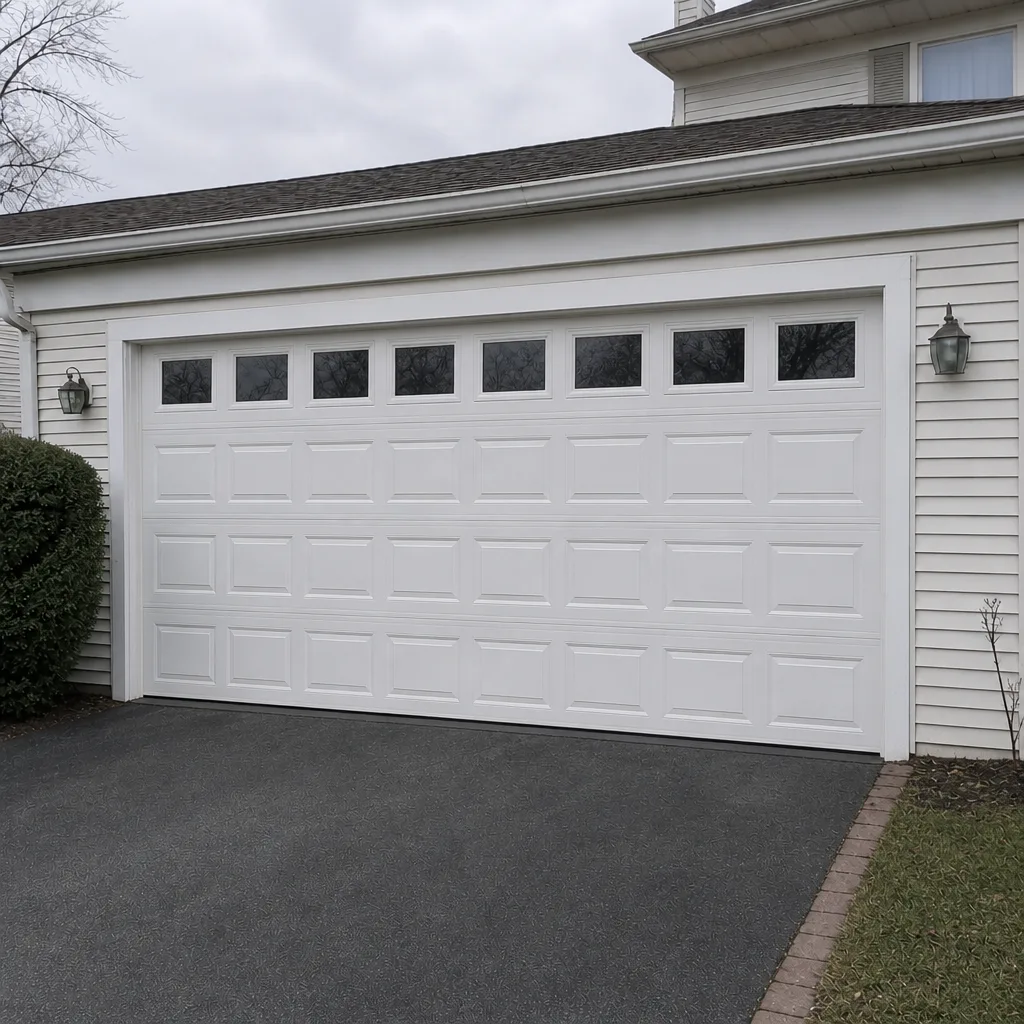
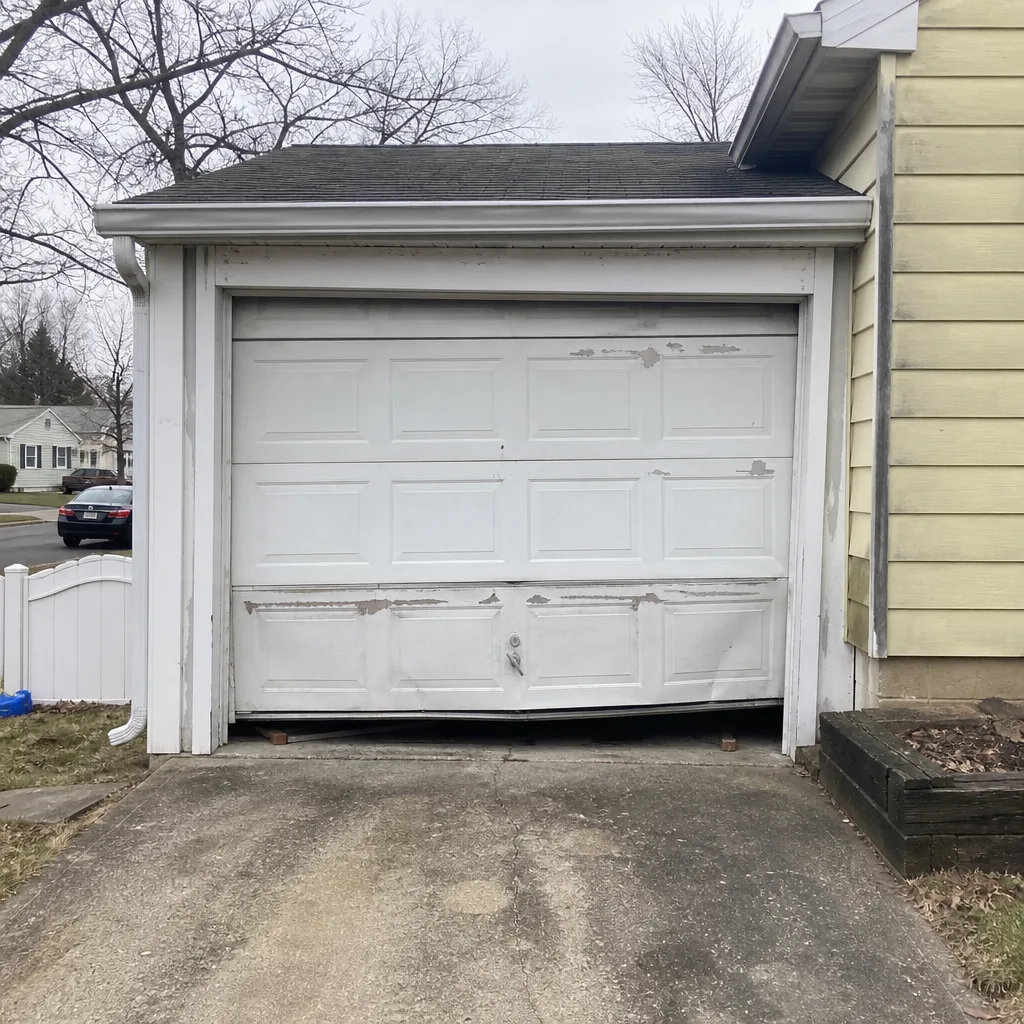
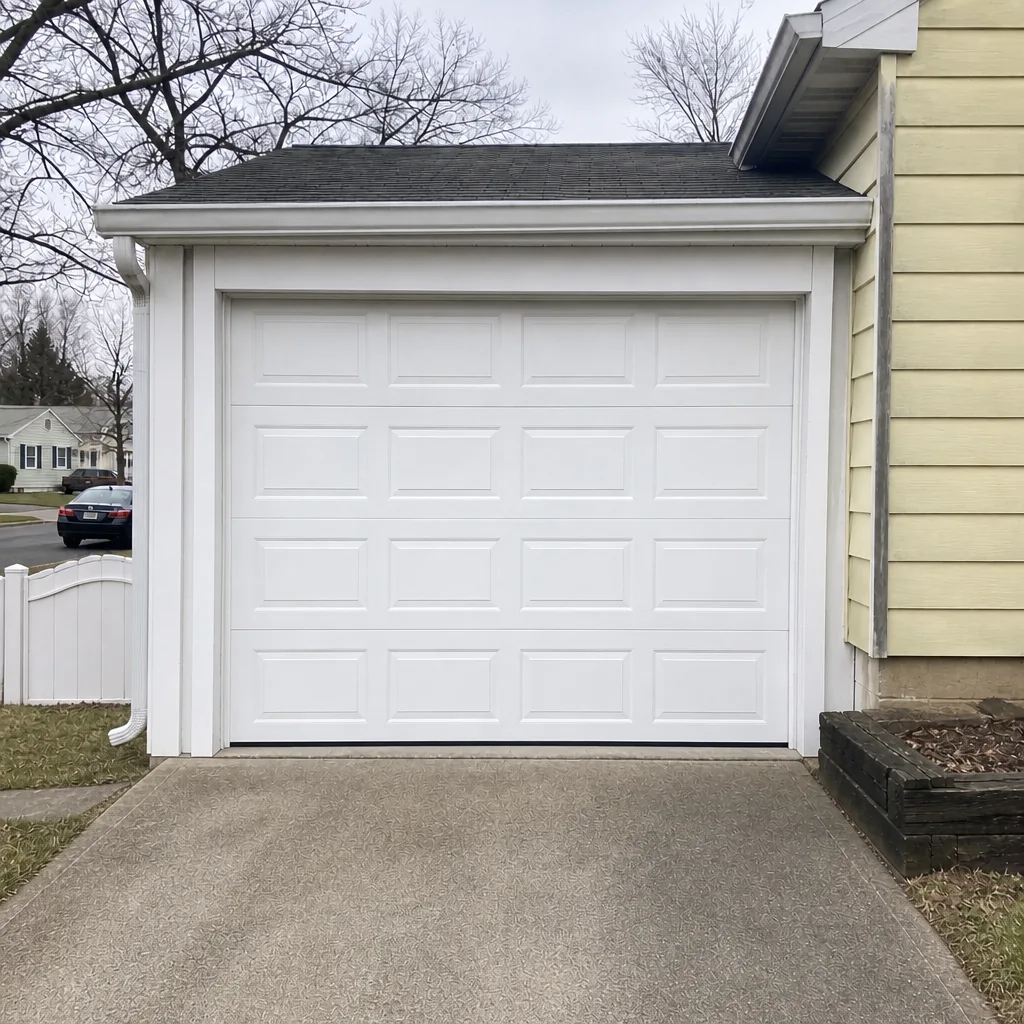
See the difference
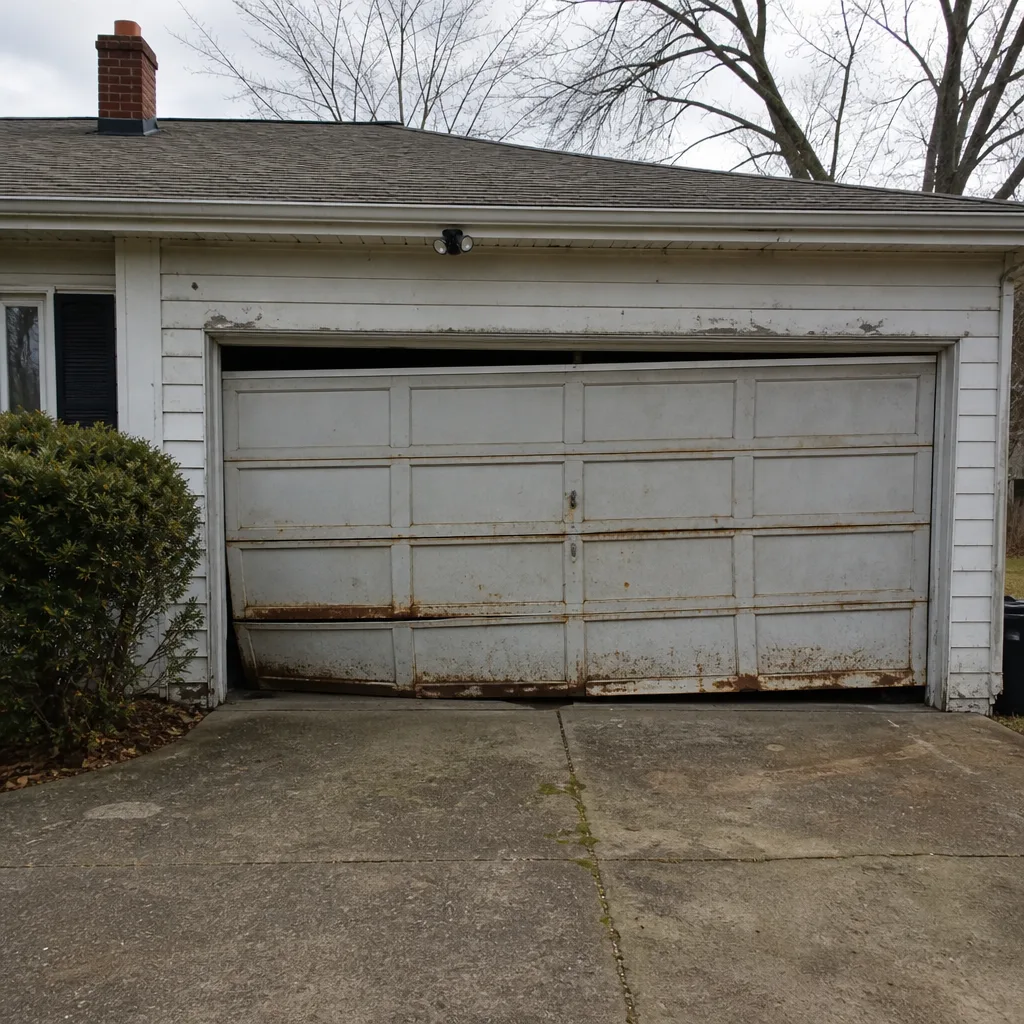 Before
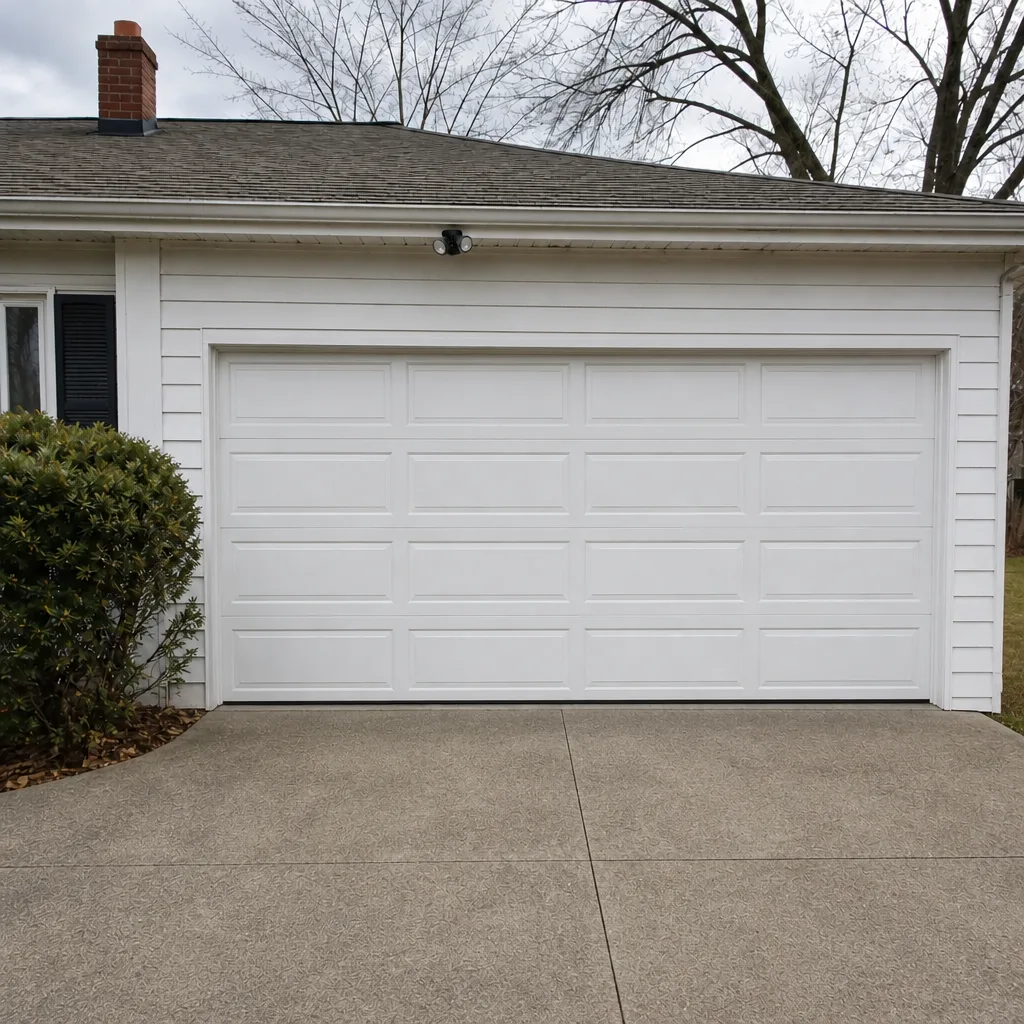 After
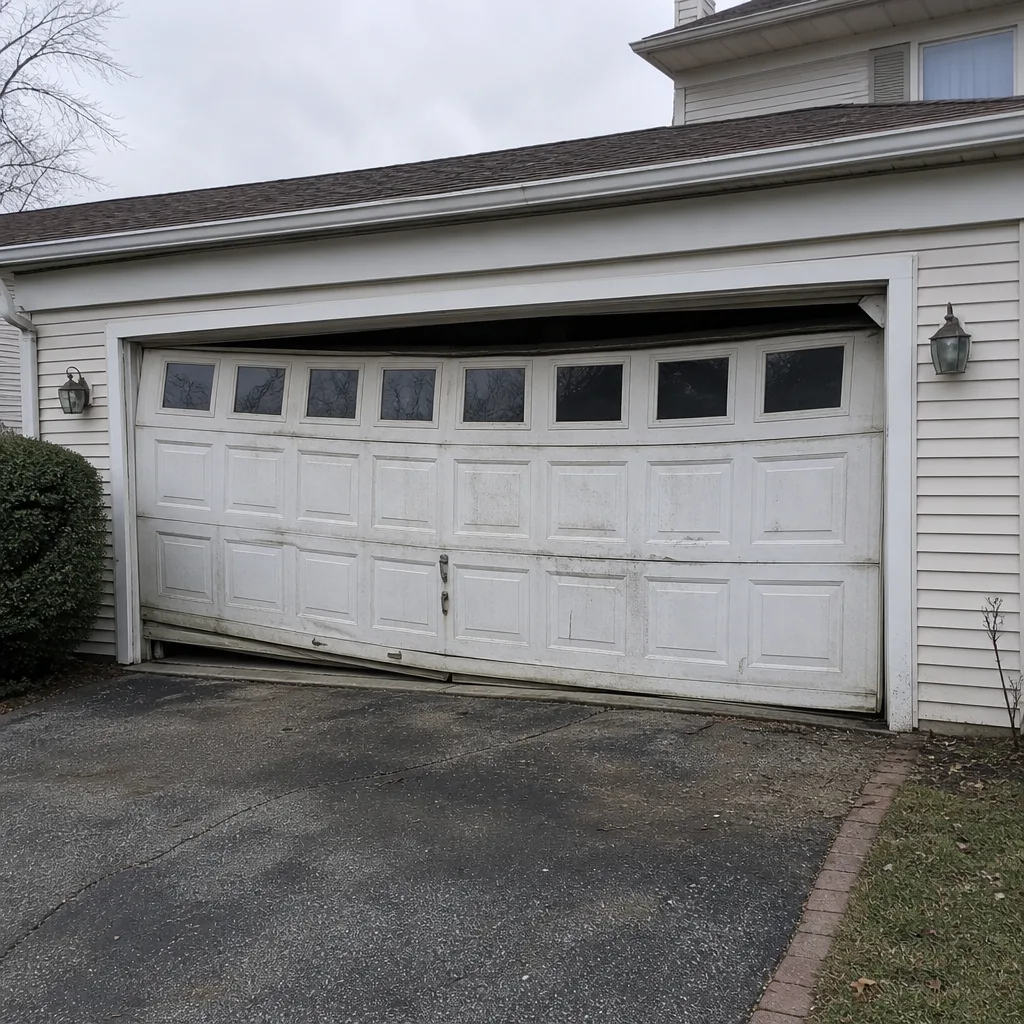 Before
 After
 Before
 After
When to Call a Professional
Call a professional any time your issue involves a spring, a cable, or the door’s balance. That’s the safety line, and it isn’t about difficulty. Call if a spring has snapped, if a door feels heavy or slams, if a cable is loose or frayed, if the door hit something and a track is bent, or if a panel is damaged and the door no longer sits evenly. Call if the opener behaves erratically after a power outage and reprogramming doesn’t fix it, or if the safety reverse fails its test. And call if you’re planning a new opener or door and aren’t sure what will work, because compatibility solved before the box is open is cheaper than solved afterward. Edison Garage Door Service offers free estimates in Edison. Call (877) 471-0219. We answer 24/7. Fast dispatch from 7am to 7pm, Sunday through Friday. The written estimate sets the price, and it’s agreed before any work starts.
Frequently Asked Questions
No. Spring replacement is the one job we’d always steer a homeowner away from doing themselves, because a wound spring stores energy that can release with little warning and cause serious injury. The safe DIY jobs are outside the spring and cable system. Call a trained technician for anything involving spring or cable tension. Call (877) 471-0219 for a free estimate.
You can safely handle cleaning and lubricating tracks and rollers, replacing the bottom weather seal, aligning or cleaning the photo-eye sensors, and reprogramming a remote or keypad. These don’t involve stored tension. Everything involving springs, cables, and balance belongs to a professional. If you’re unsure which bucket your problem is in, a quick call will sort it out. Call (877) 471-0219.
Most openers can be repaired rather than replaced, especially if the door and springs are healthy and the problem is a gear, a logic board, or a sensor. Replacement makes more sense when the unit is very old or its parts are no longer available. A technician can diagnose it in one visit, and that’s a free estimate. Call (877) 471-0219.
Often, yes, because the original problem is still there and a second issue may now exist. If you tried to fix an out-of-balance door by adjusting the opener, the original imbalance and the new opener wear can both need attention. The better move is to diagnose first, then decide. Call (877) 471-0219 for a free estimate before you start.
We work on eight major brands: LiftMaster, Chamberlain, Genie, Clopay, Amarr, Wayne Dalton, Craftsman, and Raynor. That covers the door structure, the opener and motor, and smart-opener systems. Tell us the brand and what the door is doing, and we’ll match the diagnosis to your equipment. Call (877) 471-0219.
You can, if the door’s compatibility is certain and the mounting and safety reverse are set correctly. That’s the catch. Opener installation depends on brand, door weight and balance, ceiling height, and wiring, and those can’t be fixed after the box is open. If compatibility is uncertain, a technician install is cheaper from the start. Call (877) 471-0219 for a free measure and written estimate.
The Bottom Line
The DIY-versus-professional question for a garage door is really a question about tension. If your task involves a spring, a cable, or the door’s balance, a trained professional should handle it, full stop, because the risk isn’t measured in dollars. If your task is a seal, a sensor, a roller, or a remote, you can handle it, and the tool cost is usually worth it. Sort your problem into the matrix, diagnose it by observing and listening before you call, and factor in the honest cost of a failed attempt: a bigger repair, or a hazard. When you’re ready for help, we’re here to tell you exactly which bucket your issue falls in. Whether it’s Edison Garage Door Service or working out which part of the system is failing, start with a quick diagnosis.
Call (877) 471-0219 for a free estimate. We answer 24/7. Fast dispatch from 7am to 7pm, Sunday through Friday. The written estimate sets the price, agreed before any work starts.
Written by the team at Edison Garage Door Service.