
Last updated November 15, 2026
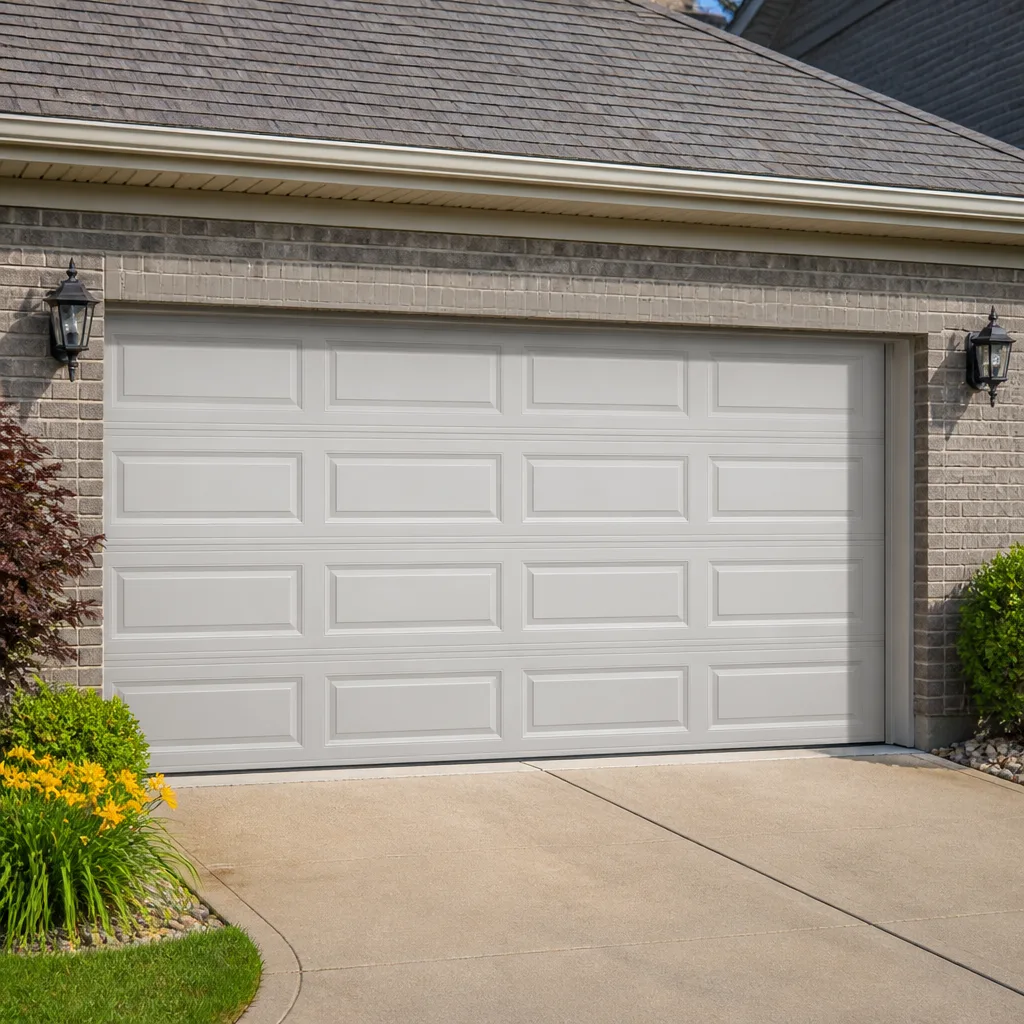 Raised-panel steel
 Carriage house
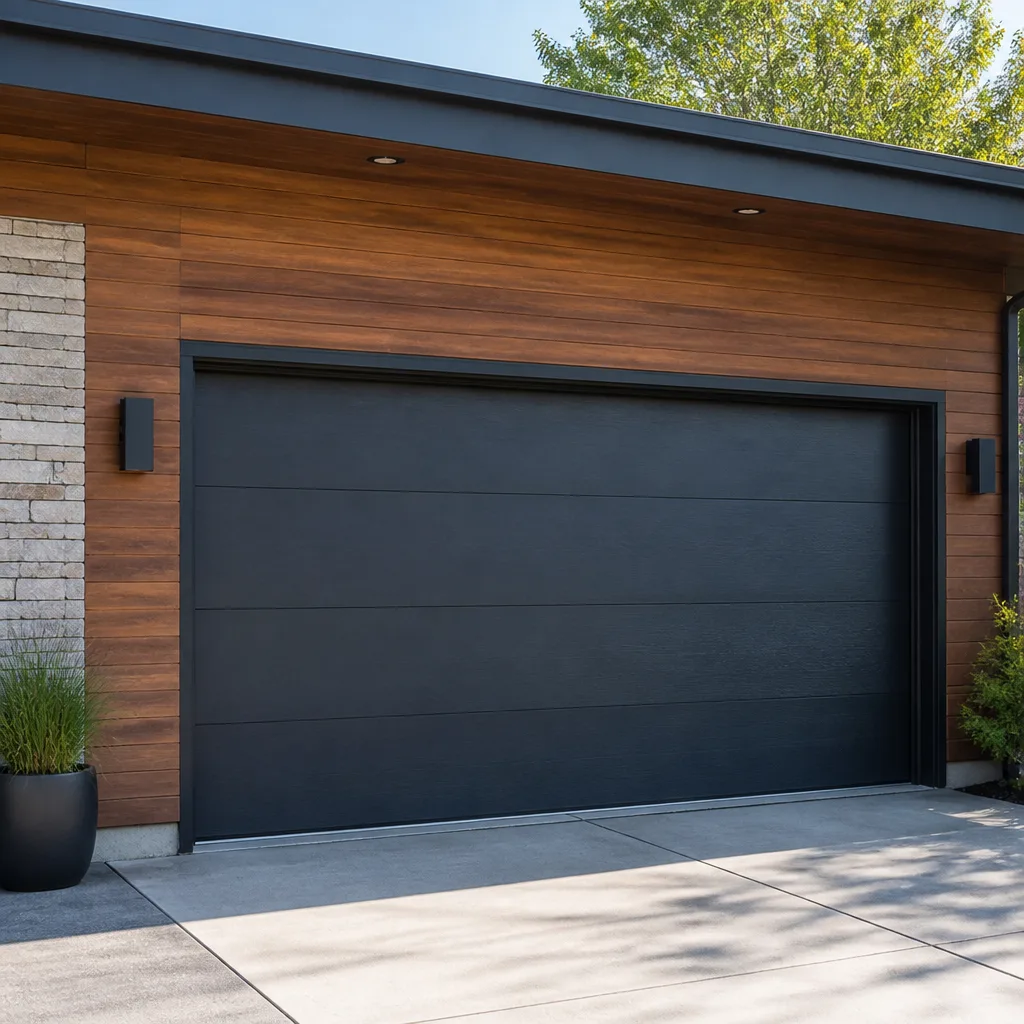 Modern flush
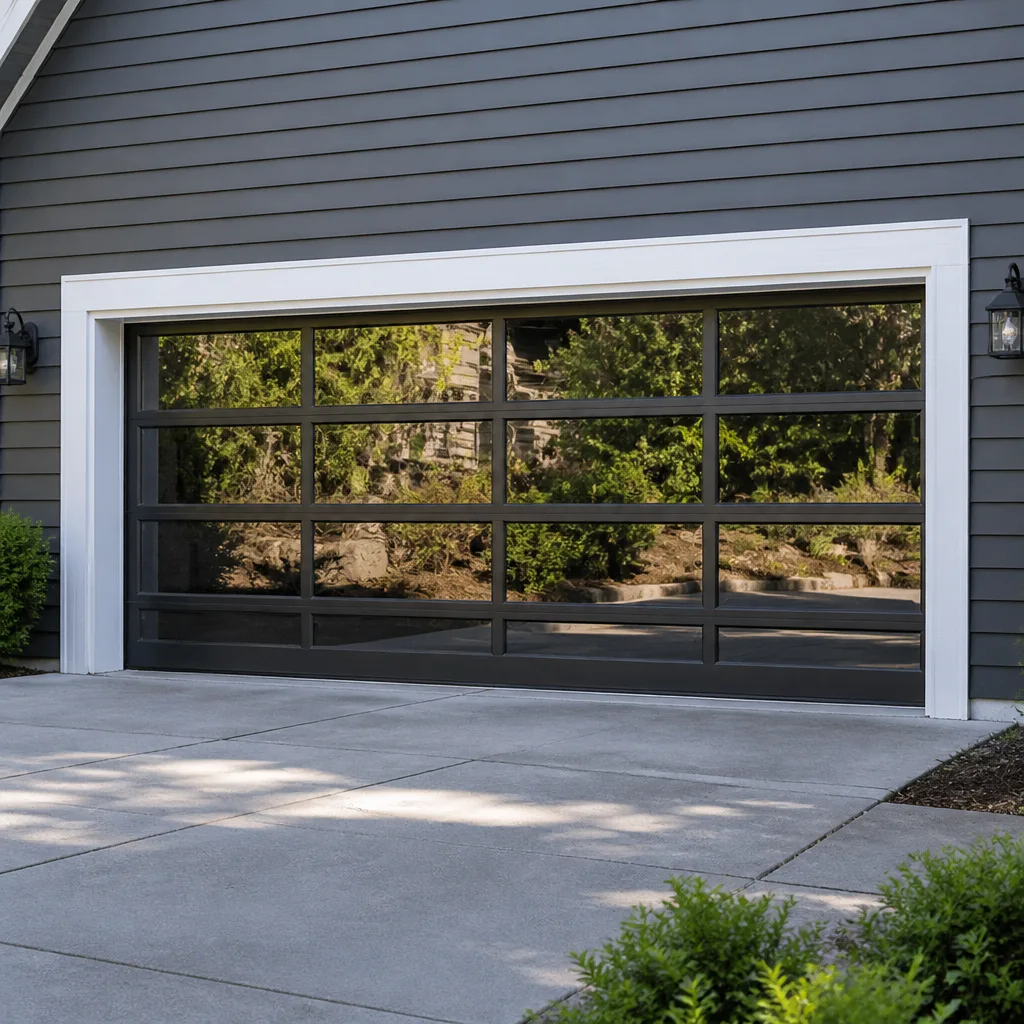 Full-view glass
 LiftMaster openers
 Chamberlain openers
Full 25-point door and opener safety check with every visit - springs, cables, rollers, tracks, and your LiftMaster or Chamberlain opener included
You get a price before we start. It does not change when the pro arrives.
Get your free estimateGarage Door Repair Maintenance Checklist for Edison Homeowners
Most garage door advice tells you to “inspect your door twice a year” and leaves it there. That’s not useful. The failures we get called about in Edison usually trace back to one or two specific parts that wore quietly while everything looked fine. The spring that let go wasn’t old; it was dry. The rollers that screeched weren’t broken; they’d gone a year without lubricant. A five-minute check in the right spot catches most of this before it turns into a repair.
This guide gives you that check, part by part, with pass/fail criteria you can actually apply. You’ll learn which tasks are safe to do yourself, which ones you shouldn’t touch, how to lubricate each component correctly, and how to keep a simple log so you can see wear happening instead of discovering it all at once. It’s written from Edison, where the weather gives doors a particular kind of workout.
Quick Answer
A useful garage door maintenance checklist for Edison covers seven parts in order: springs, cables, rollers, tracks, hinges, bottom seal, and weather stripping. Check each one monthly by sight and touch, lubricate moving metal twice a year, and log the date of every check so you can spot a part wearing faster than it should. Skip the springs and cables beyond a visual look; those carry enough stored energy that adjustment belongs to a trained technician. Everything else on this list is safe for a homeowner.
Styles & brands we work with
- Raised-panel steel
- Carriage house
- Modern flush
- Full-view glass
- LiftMaster openers
- Chamberlain openers
Table of Contents
- Why Edison Doors Wear Differently
- The Part-by-Part Inspection Sequence
- Which Checks Are Safe and Which Aren’t
- Lubrication: What to Use and Where Not to Put It
- How to Log Every Check and Track Wear Rates
- Edison Weather Triggers: When to Run an Extra Check
- A Year-Round Maintenance Rhythm
- Common Mistakes to Avoid
Why Edison Doors Wear Differently
Edison sits close to the Raritan River corridor, and that matters for garage door hardware. Humidity in this part of Middlesex County runs high through the warmer months, and moisture in the air finds its way onto bare steel: springs, hinges, roller stems, the track itself. A dry spring coil doesn’t fail because of age alone. It fails because the wire rubs against itself with no film of lubricant to reduce friction, and every cycle takes a little more off the metal.
The other half of the picture is winter. Edison gets its share of cold snaps and ice events, and a door that cycles through a freeze-thaw cycle repeatedly puts real stress on the bottom seal and the weather stripping. Ice builds up at the threshold, the seal compresses and cracks, and the next thing you know you’ve got a gap letting cold air and water into the garage. Clopay and Amarr doors with standard vinyl or rubber seals are particularly worth watching here; the seals are good, but no seal likes being frozen against a concrete floor.
Then summer arrives and the heat stretches everything. The lubricant you applied in fall thins out. Rollers dry. Tracks expand slightly and can shift alignment. This is the seasonal rhythm in Edison, and it’s the reason a generic “check it twice a year” instruction falls short. Our technicians have up to 9 years of experience working on doors in this climate, and the pattern is consistent: the doors that stay quiet are the ones getting a quick look after each weather shift, not just on a calendar date.
None of this means your door is fragile. Modern doors from the major brands hold up well. It means the maintenance you do should match the conditions your door actually lives in, and in Edison those conditions include humidity, freeze-thaw, and summer heat in sequence.
The Part-by-Part Inspection Sequence
Work through this list in order, top to bottom. Each item has a simple pass/fail test you can do by eye or by hand. Set aside fifteen minutes for the first pass; later checks go faster.
1. Springs
Visual only. Look at the coil above the door (torsion) or alongside the tracks (extension). Pass: the coil looks uniform, no visible gaps, no rust bloom, no stretched or bent sections. Fail: you see a clear gap in the coil, heavy rust, or the door feels extremely heavy when you lift it by hand a few inches. A failing spring is a call-a-professional item, not a fix-it-yourself item.
2. Cables
Visual only. Look at the steel cables running along the sides. Pass: cables lie flat against the drums, no fraying, no kinks, no loose strands sticking out. Fail: any fraying or slack at all. A frayed cable is under tension and can snap; don’t touch it beyond looking.
3. Rollers
Safe to inspect closely. Look at the rollers where they meet the track. Pass: rollers spin freely, no flat spots, no cracked nylon or worn steel. Fail: any roller that wobbles, sticks, or shows a flat worn edge. Rollers are inexpensive and easy to replace.
4. Tracks
Safe to check by hand. Run a hand along the inside edge of each track. Pass: smooth, straight, no dents, and the two sides sit at the same height. Fail: any bend, any gap where a roller can pop out, or tracks that don’t line up.
5. Hinges
Safe to check. Look at the hinges connecting door panels. Pass: tight against the panel, no rust, no looseness. Fail: any hinge that wiggles or shows rust. Tighten or replace as needed.
6. Bottom Seal
Safe to check. Close the door and look at the gap between the seal and the floor. Pass: the seal touches the floor evenly across the width, no daylight showing, no cracks. Fail: visible gaps, cracks, or a seal that’s compressed flat.
7. Weather Stripping
Safe to check. Look at the stripping along the sides and top of the door frame. Pass: intact, flexible, making contact with the door. Fail: torn, missing, or hardened sections that let air and water through.
8. Safety Reverse Test
Safe and important. Place a small object (a roll of paper towels works) in the door’s path and close it. Pass: the door reverses on contact. Fail: it doesn’t reverse. This one test tells you whether the opener’s safety system is working, and if it isn’t, stop using the door and get it looked at.
Which Checks Are Safe and Which Aren’t
This is where most checklists get vague, and vague is dangerous. Here’s the straight answer, no hedging.
Safe for you: inspecting rollers, checking tracks by hand, tightening hinges, checking the bottom seal and weather stripping, running the safety reverse test, lubricating rollers, hinges, and tracks.
Not safe for you: adjusting, removing, or replacing springs; touching or replacing cables; loosening track bolts that hold the tracks under tension; working on the opener’s electrical connections or wiring.
The reason springs top that list is stored energy. A torsion spring under tension holds enough force to cause serious injury if it releases while you’re working on it. Same for cables, which are under constant tension and can whip if they snap. No homeowner should be adjusting either one, no matter how many videos suggest otherwise. This is one place where we don’t offer a workaround: springs and cables belong to a trained technician with the right tools and the right knowledge of how to release tension safely.
The opener is a different kind of hazard. The low-voltage control wiring is usually safe to inspect, but the electrical connections to the outlet and any hardwired components carry real risk. If the opener won’t power on or behaves erratically, that’s a diagnostic call. Our garage door opener repair covers Chamberlain, Genie, LiftMaster, and the rest of the eight major brands, including the smart-opener systems that need a careful hand with the electronics.
We’d rather you call us for a free estimate on the dangerous parts than try to save money and get hurt. The safe checks on this list are genuinely valuable, and doing them consistently prevents most of the repairs we see. The unsafe ones are unsafe for a reason.
Lubrication: What to Use and Where Not to Put It
Lubricant is where many well-meaning homeowners go wrong. Too much, wrong product, wrong spot. Here’s the spec, component by component.
What product to use
- White lithium grease or a dedicated garage door lubricant for springs, hinges, and roller stems. A spray can of white lithium is the standard choice and holds up well through a New Jersey summer.
- Silicone spray for the bottom seal and weather stripping. It keeps rubber supple without attracting dirt.
- Avoid WD-40 as a lubricant. It’s a solvent, not a long-term lubricant, and it strips the existing film off metal. It’s fine for loosening a stuck bolt; it’s not what you want on a spring.
How much
A thin film. One short pass of spray per hinge, a light coat along each spring coil, a small amount on each roller stem. If it’s dripping, you’ve used too much. Excess lubricant attracts dust and grime, and grime wears parts faster than dryness does.
Where NOT to apply it
- Don’t lubricate the tracks. This is the single most common mistake. Tracks should be clean and dry; lubricant there collects grit and makes rollers drag.
- Don’t spray the rollers themselves if they’re nylon. Nylon rollers run dry. Only steel rollers benefit from a light coating on the stem, not the wheel.
- Don’t lubricate the opener rail. The rail on a belt or chain drive should stay clean; the chain or belt gets its own manufacturer-specified treatment, not general purpose lubricant.
- Don’t soak the springs. A light pass is enough. Heavy grease on a spring traps debris against the coil.
In our experience, a light lubrication twice a year – before summer heat and before winter cold – is the single highest-value maintenance task on this list. It takes five minutes and it’s the difference between a spring that lasts its full service life and one that wears out early.
How to Log Every Check and Track Wear Rates
The checklists that actually prevent repairs are the ones you can look back at. A simple log turns a routine into a diagnostic tool. Here’s how to set one up.
- Pick a fixed format. A notepad by the garage door or a note on your phone. Columns: date, part checked, pass/fail, notes.
- Log every check, even the boring ones. A pass is data. It tells you the part was fine on that date.
- Note the weather when something fails. “Seal cracked after ice event” tells you more than “seal cracked.”
- Watch for repeats. If the same roller fails twice in a year, the underlying issue isn’t the roller. It’s track alignment or an unbalanced door.
- Record lubrication dates separately. You want to see how long your lubricant lasts in Edison’s summer heat.
- Estimate wear rate. If your seal lasts two winters and then cracks, you know the next one is due. If it cracks after one, something else is wrong.
Over a couple of years, this log becomes genuinely useful. Our technicians have up to 9 years of experience on doors in this area, and the pattern we see is that parts don’t fail suddenly; they reach end of life on a predictable curve. Your log lets you see that curve for your specific door, your specific brand, and your specific driveway orientation. A garage door facing direct afternoon sun in Edison ages differently than one in shade, and your log will show you that.
If a pattern looks wrong – the door is going through rollers, or the springs are losing tension faster than they should – that’s worth a diagnostic call. Our garage door repair team can look at the log and often spot the cause before it becomes a bigger repair.
Edison Weather Triggers: When to Run an Extra Check
Beyond the scheduled checks, three local weather events should trigger an extra look. These aren’t in generic checklists because generic checklists don’t know where you live.
After a nor’easter
High wind and driving rain test the weather stripping and the door’s balance. Check for moisture inside the garage along the bottom and sides, and test the safety reverse. If the door is binding or the opener strains, the wind may have shifted a track slightly.
After an ice event
Ice at the threshold compresses the bottom seal and can crack it. Check the seal for cracks and gaps, and look at the tracks for ice buildup that could pull a roller out of alignment. Don’t force the door open if the seal is frozen to the floor; that’s how hinges get bent.
During a summer heat stretch
Sustained heat thins lubricant and expands metal. This is the time to reapply a light film of white lithium to hinges and springs, and to listen for new sounds. A door that was quiet in June and squeals in August is telling you the lubricant has run out.
One more trigger that’s easy to miss: any time the door gets a hard impact, whether from a bicycle, a car bumper, or a stray branch. Even a light bump can bend a track or crack a roller. Run the full inspection sequence after any impact.
For homeowners in the Edison area, these weather patterns are part of life. Building the extra checks into your routine is straightforward once you’ve done it a couple of times.
A Year-Round Maintenance Rhythm
Here’s a simple calendar that matches Edison’s climate and keeps the work manageable. It doesn’t require tools beyond a spray can and a notepad.
- Early spring (after the last freeze): full inspection sequence, log every part, lubricate moving metal, check the bottom seal for winter damage.
- Late spring (before summer heat): re-lubricate, clean tracks with a dry cloth, run the safety reverse test.
- Mid-summer: quick pass – listen for new sounds, check rollers, top off lubricant if needed.
- Early fall (before winter): full inspection sequence, replace worn weather stripping, re-lubricate, check the seal again.
- After any weather event: extra look at seal, tracks, and door balance.
That’s roughly four full checks and a few quick ones per year. Most homeowners find it takes under fifteen minutes each time after the first pass. The log is what makes it worthwhile, because it turns maintenance from a chore into a record that tells you when to expect the next repair.
If at any point the door stops behaving the way the log says it should – if a part fails faster than expected, or a repair doesn’t hold – that’s the signal to bring in a technician. Our team at Edison Garage Door Service handles the full system: door structure, opener and motor, and installation. Same brand roster for repair and install, so the technician looking at your door already knows how that brand performs over time.
Common Mistakes to Avoid
- Lubricating the tracks. This is the most common mistake we see. Tracks should stay dry and clean; oil on the track collects grit and makes rollers drag.
- Skipping the log. A checklist without dates is just a list. The dates are what let you spot wear rates and predict the next repair.
- Ignoring a new sound. A squeak, grind, or rattle is a message. In Edison’s humidity, a new sound often means a part has lost its lubrication or started to rust. Investigate early.
- Trying to adjust springs or cables yourself. These are the two parts on your door that carry enough stored energy to cause serious injury. This is the one rule we won’t soften.
- Waiting for a full failure. A spring that’s visibly rusting or a cable that’s starting to fray is already telling you it needs attention. Address it before it breaks.
- Using WD-40 as a lubricant. It strips the film off and doesn’t replace it. Use white lithium or a dedicated garage door lubricant.
- Forgetting the safety reverse test. It’s the single most important function on the opener, and it’s easy to test in under a minute. Run it monthly.
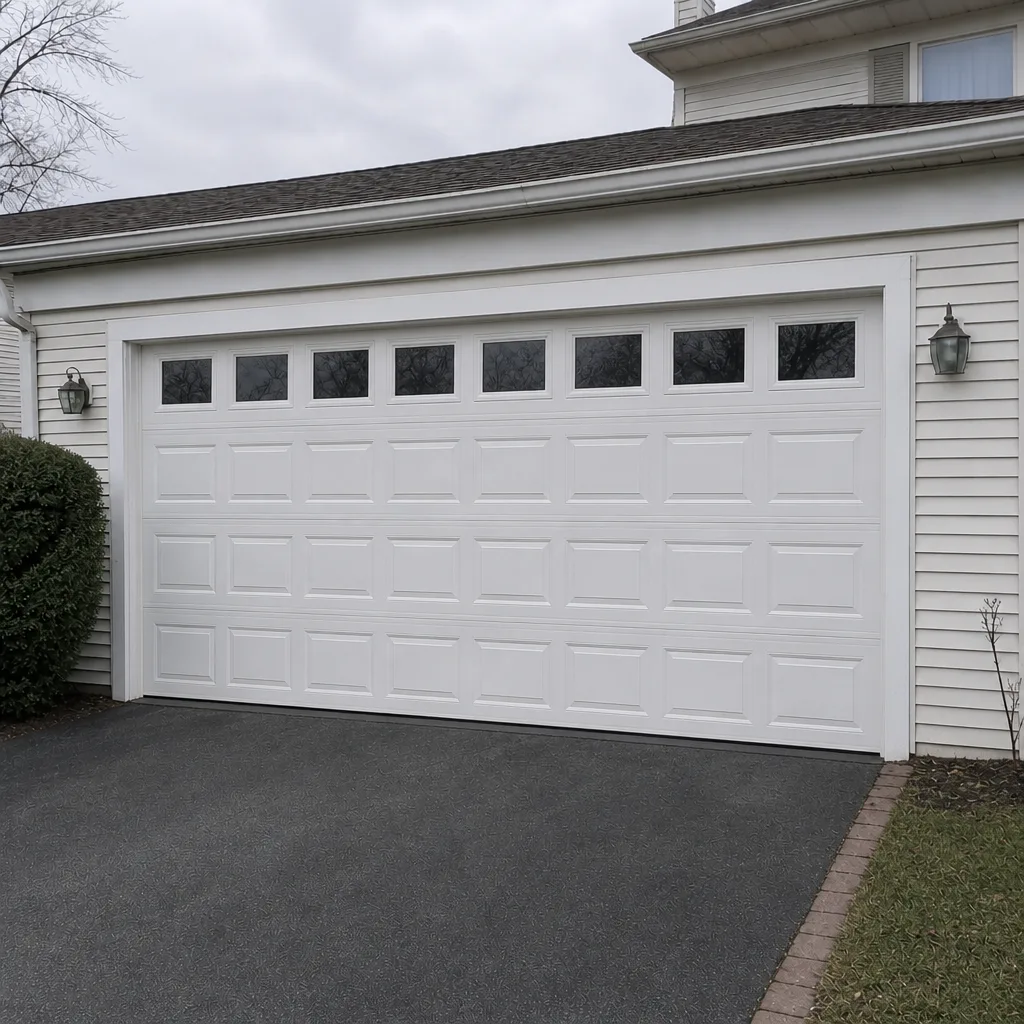
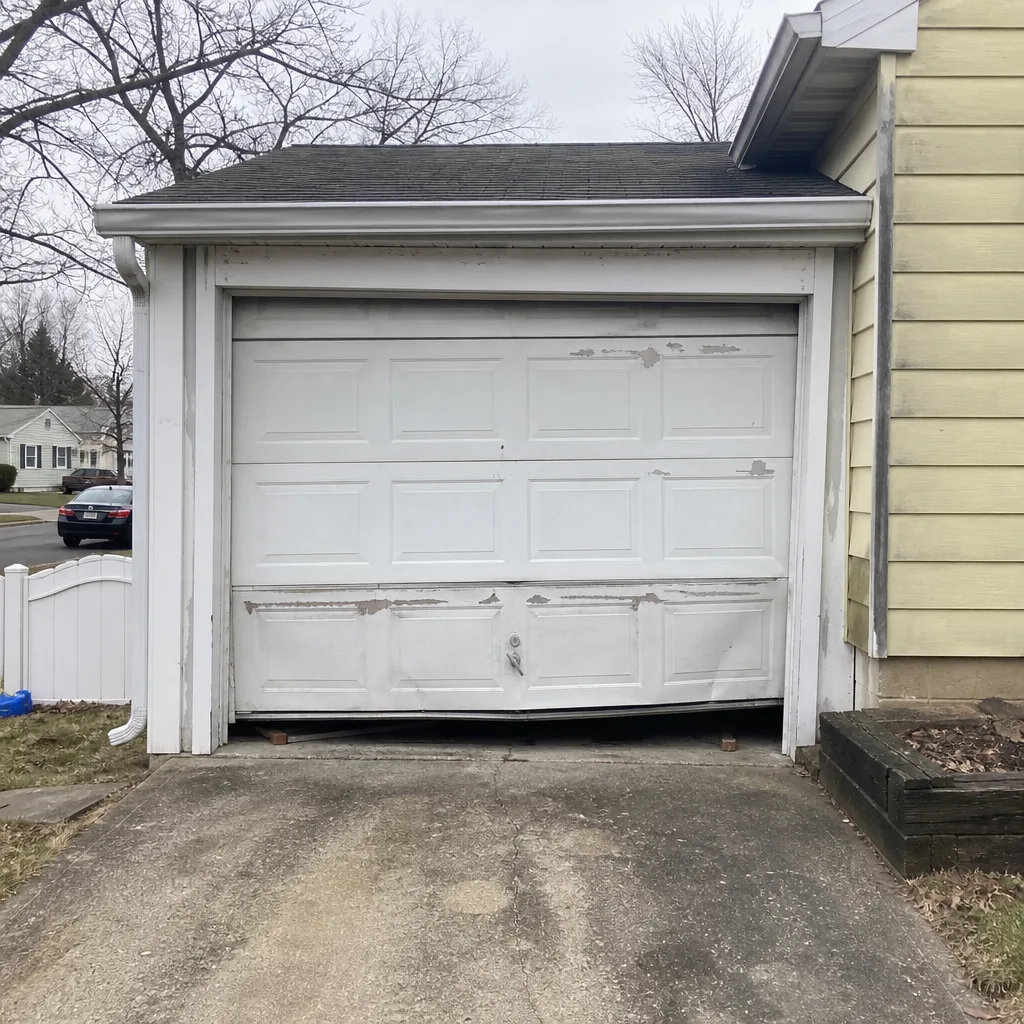
See the difference
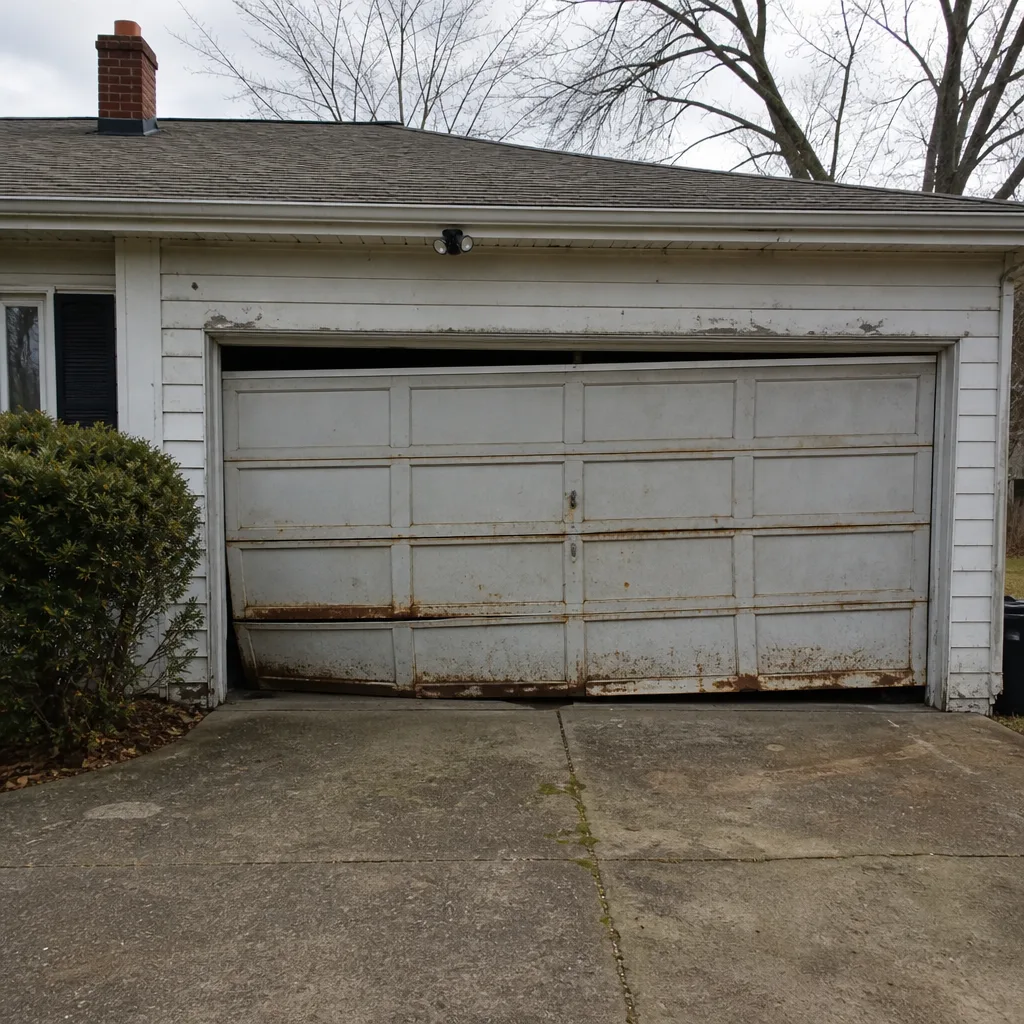 Before
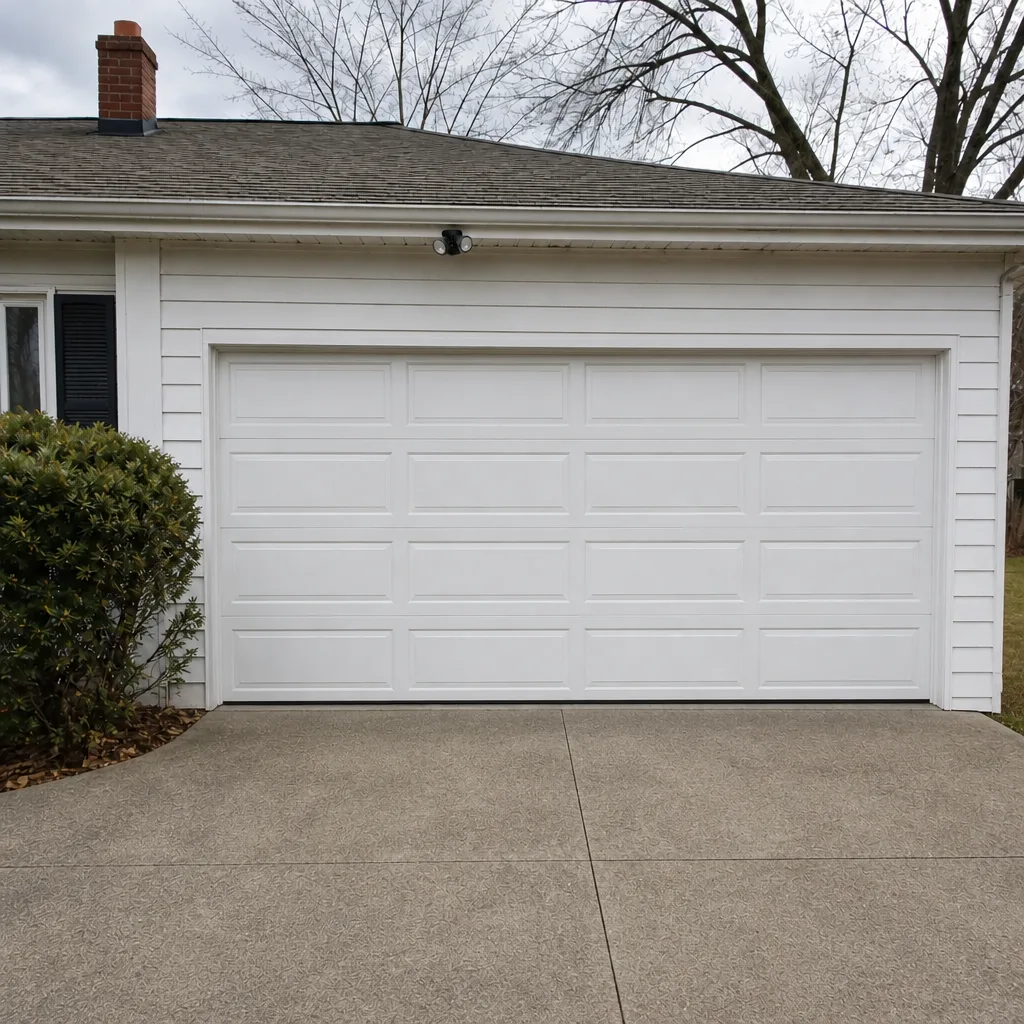 After
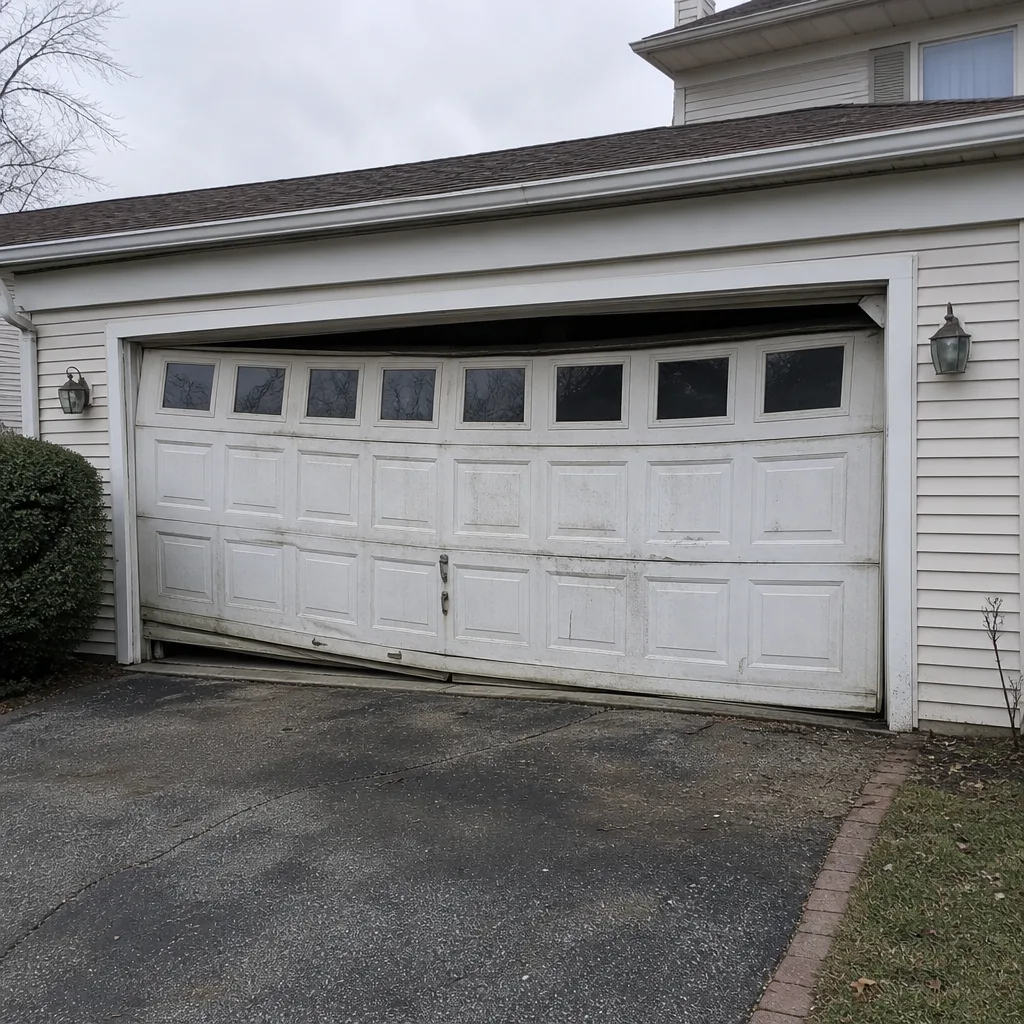 Before
 After
 Before
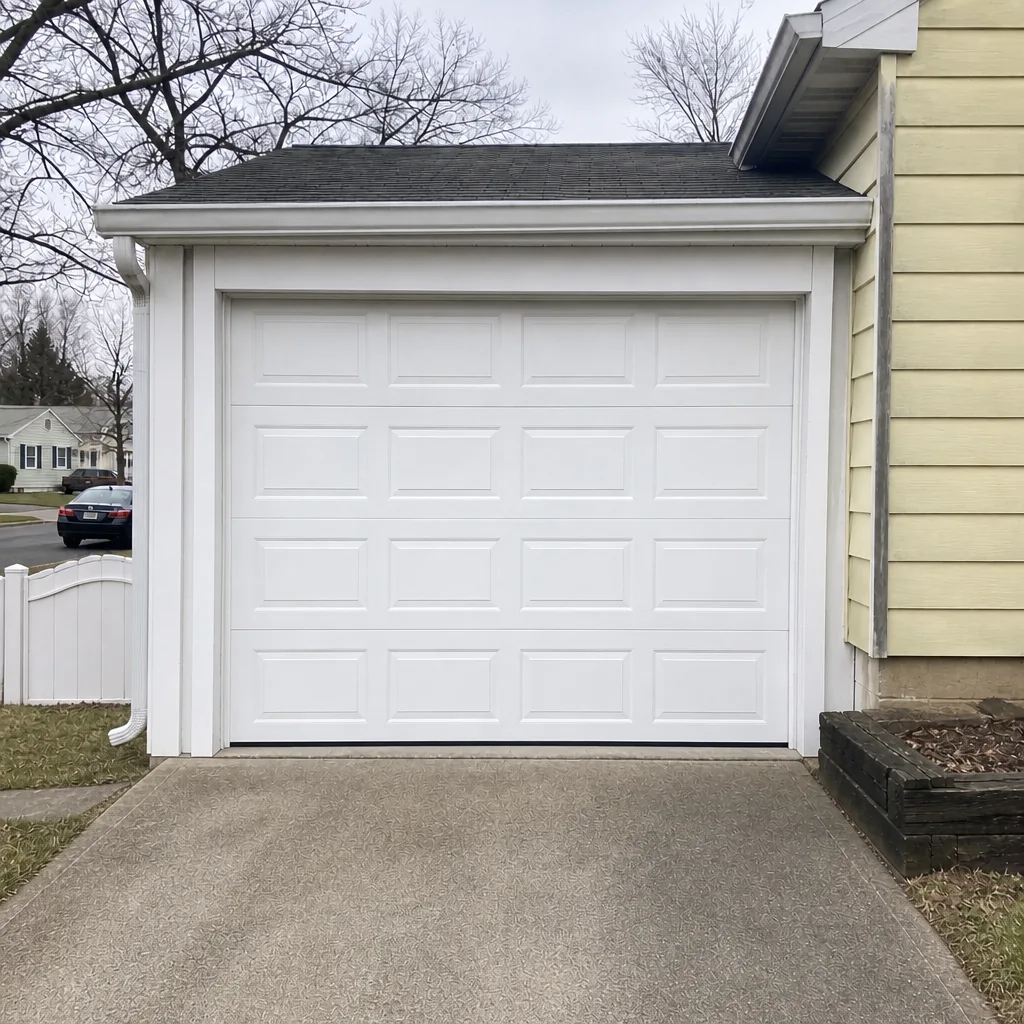 After
When to Call a Professional
Some issues are worth calling about even if the door still works. If a spring is visibly rusting or losing tension, if a cable shows any fraying at all, if the door is binding or off-balance, if the opener reverses on its own or won’t complete a cycle, or if the safety reverse test fails – those are all signs a trained technician should look at the system before something fails at a worse moment.
We handle all three layers: door repair, opener repair, and installation. We work on your brand – LiftMaster, Chamberlain, Genie, Clopay, Amarr, Wayne Dalton, Craftsman, and Raynor – so the technician who arrives already knows your equipment. That’s the point of the brand roster: no pressure to replace a system just because the technician doesn’t recognize it. The right fix, not the easiest upsell.
Edison Garage Door Service offers free estimates in Edison – call (877) 471-0219. We answer 24/7. Fast dispatch from 7am to 7pm, Sunday through Friday. A call outside dispatch hours is booked into the next opening, Sunday through Friday, 7am to 7pm.
Frequently Asked Questions
A full inspection four times a year, plus a quick look after any nor’easter, ice event, or summer heat stretch. That’s the rhythm that matches this climate. The quick checks after weather events are what catch the damage that a fixed calendar date would miss.
Yes, a light film of white lithium grease on the spring coil is safe and worthwhile. What’s not safe is adjusting, removing, or replacing the springs themselves – those carry enough stored energy to cause serious injury and belong to a trained technician. Lubricate, don’t adjust.
The door feels unusually heavy when you lift it by hand, or you see a visible gap in the coil. Rust on the spring is also a warning sign, especially in Edison’s humid summers. If you notice any of these, stop using the door and call a technician. Don’t try to fix it yourself.
Heat thins the lubricant and expands metal slightly. A door that’s quiet in spring and noisy in August is telling you the lubricant has run out. A fresh coat of white lithium on hinges, springs, and roller stems usually quiets it. If the noise persists, check the rollers and tracks.
Most routine maintenance and repair doesn’t require a permit, but full door replacement can. Check with the Edison building department before any installation work. Your contractor should be able to tell you what’s needed.
LiftMaster, Chamberlain, Genie, Clopay, Amarr, Wayne Dalton, Craftsman, and Raynor. Call (877) 471-0219 for a free estimate. Estimates are free and the price is set per job by the written estimate.
The Bottom Line
A garage door maintenance checklist is only useful if it covers the parts that actually fail and tells you honestly which checks are safe. This one does both: seven parts, monthly eyes-on checks, twice-a-year lubrication, and a written log so you can see wear happening before it becomes a repair. The dangerous parts – springs and cables – get a visual look and nothing more, because that’s the right answer. In Edison, the humidity, freeze-thaw, and summer heat give your door a particular kind of workout, and the extra checks after each weather event are what keep it quiet. Call (877) 471-0219 for a free estimate on anything the checklist flags. We answer 24/7. Fast dispatch from 7am to 7pm, Sunday through Friday.
Written by the team at Edison Garage Door Service.