
Last updated November 15, 2026
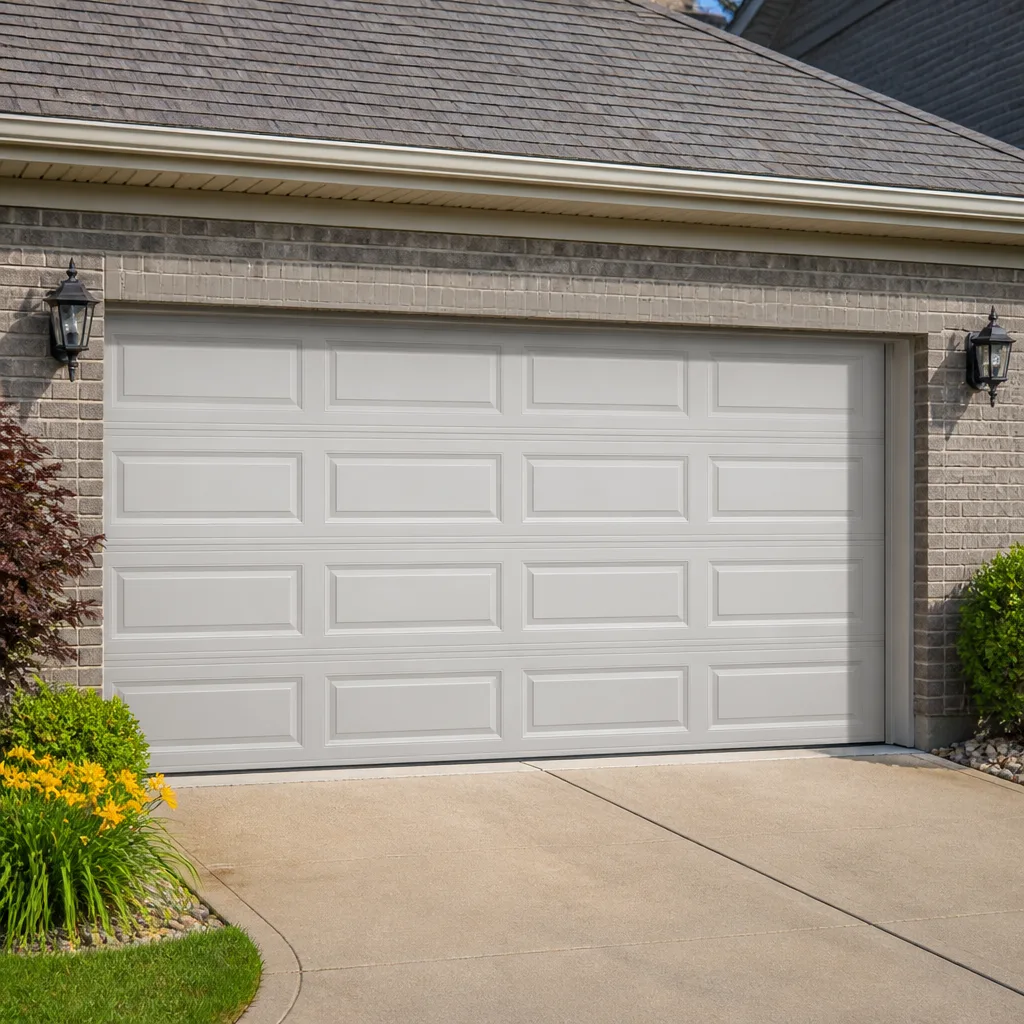 Raised-panel steel
 Carriage house
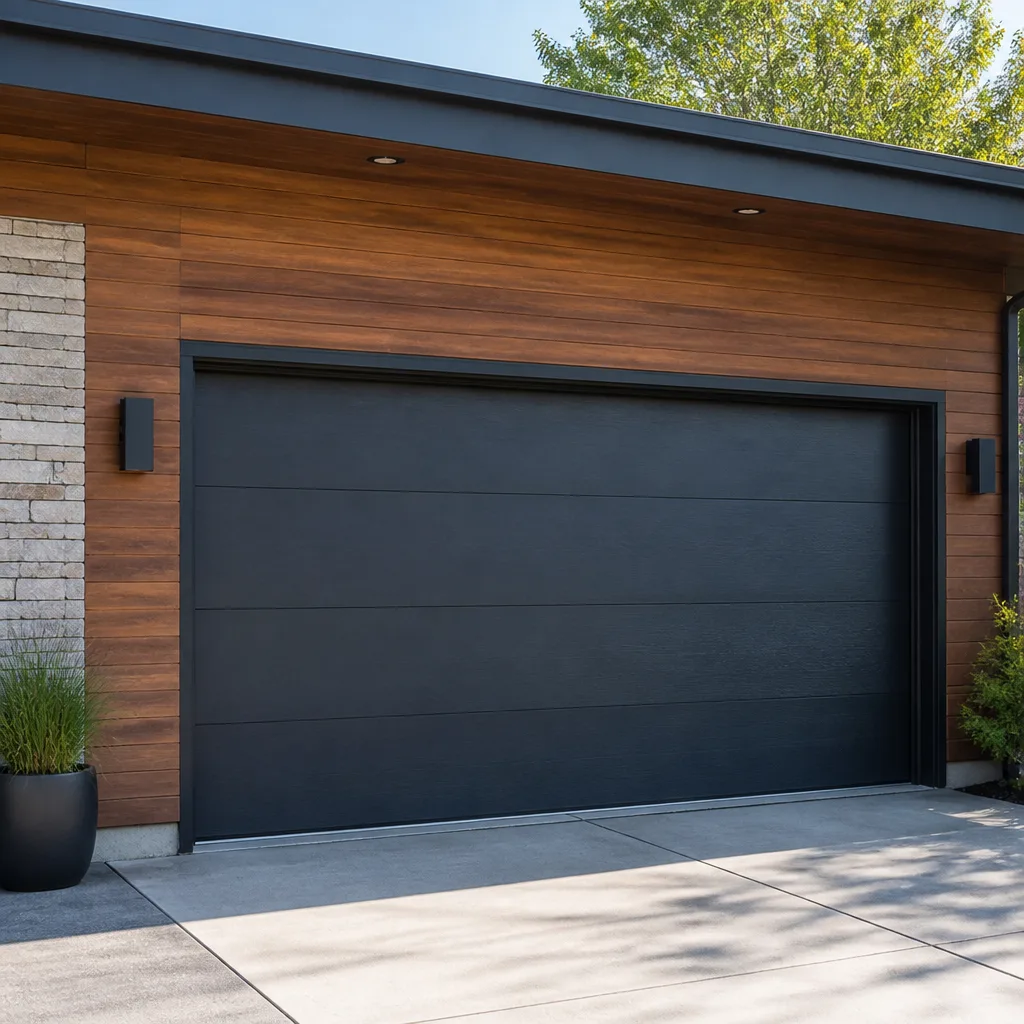 Modern flush
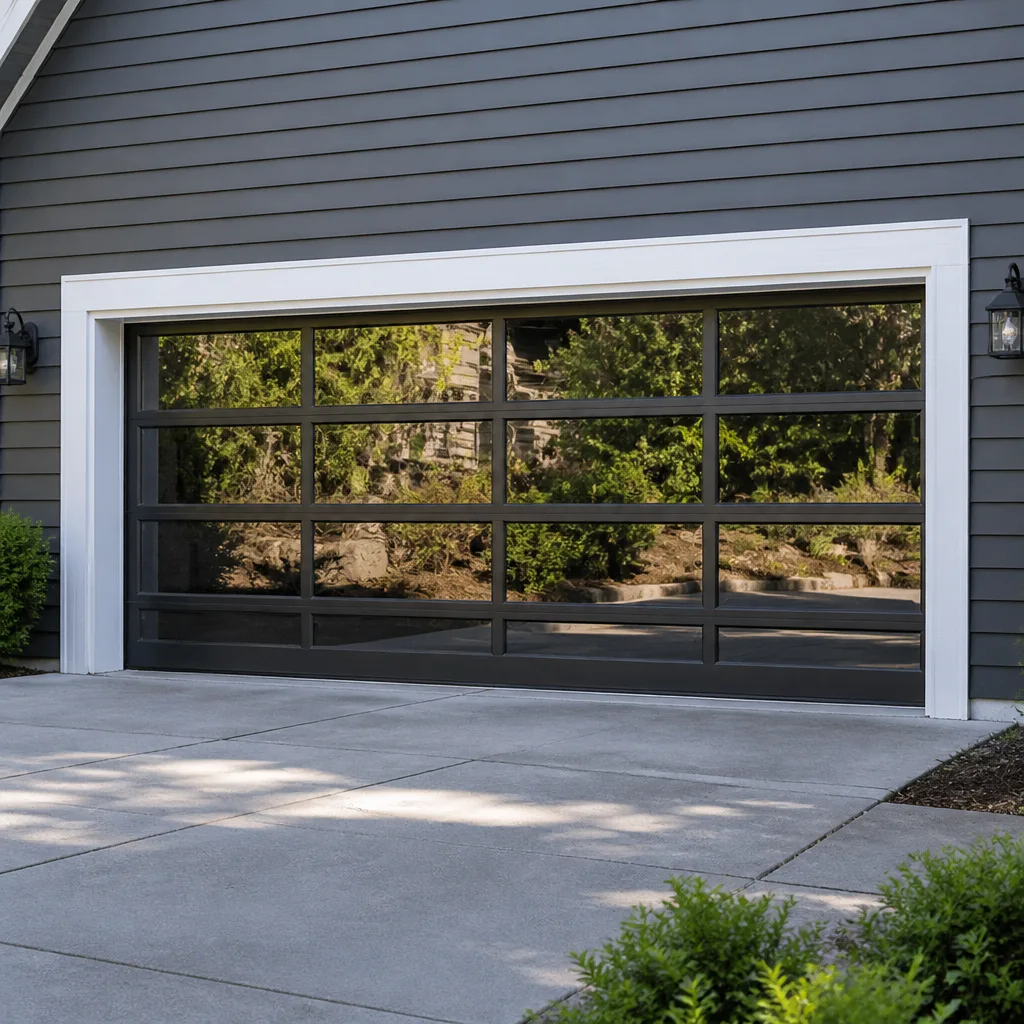 Full-view glass
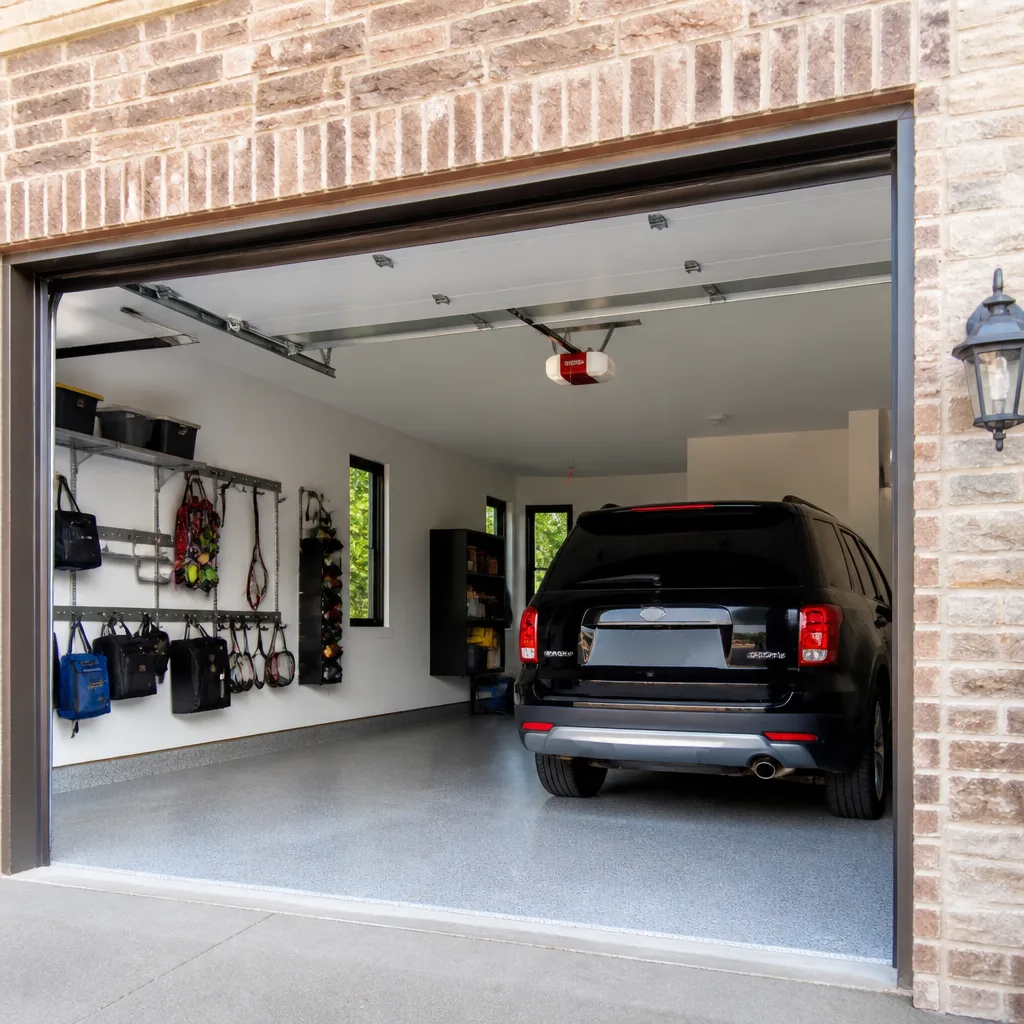 LiftMaster openers
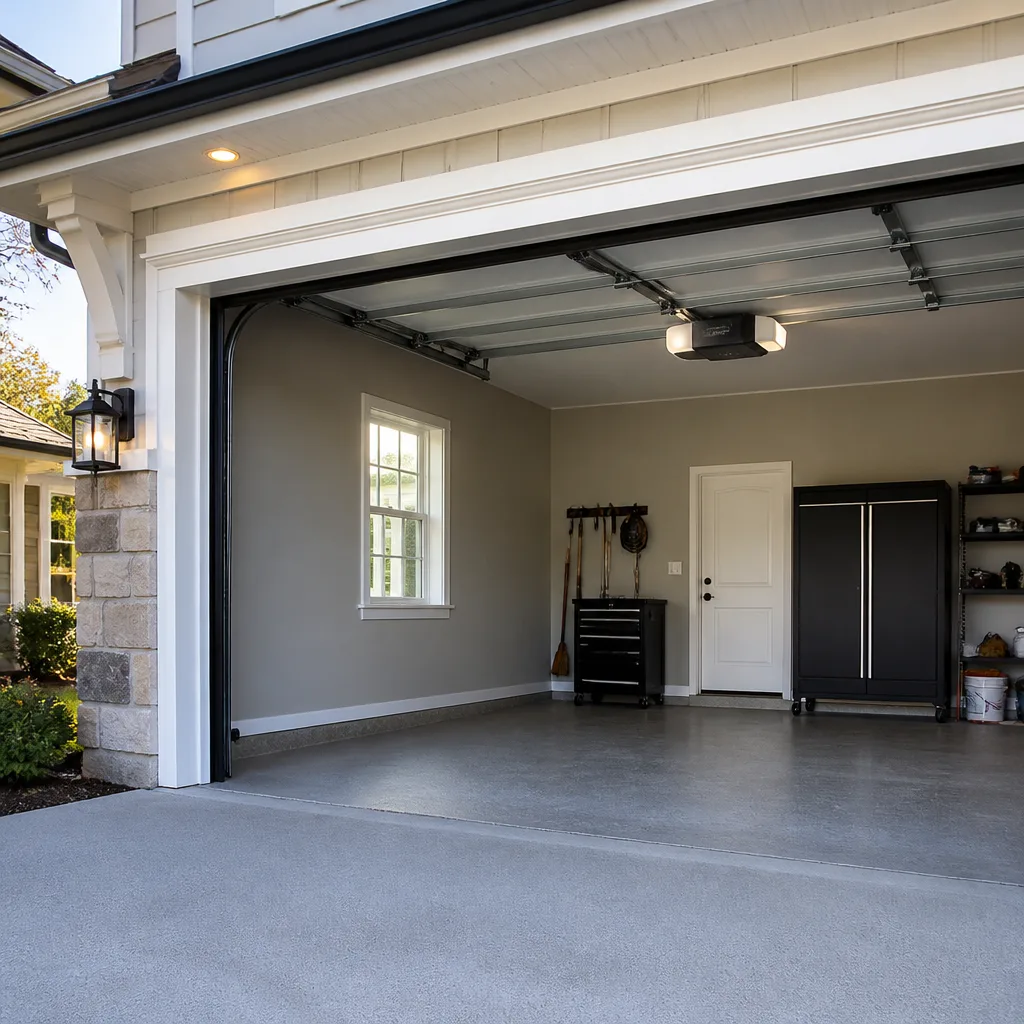 Chamberlain openers
Full 25-point door and opener safety check with every visit - springs, cables, rollers, tracks, and your LiftMaster or Chamberlain opener included
You get a price before we start. It does not change when the pro arrives.
Get your free estimateGarage Door Warning Signs: An Edison Homeowner’s Reference Guide
A door that takes two seconds longer to open than it did six months ago is telling you something. Most homeowners don’t hear it, because nobody ever taught them what “normal” feels like in the first place. By the time a slowdown becomes obvious, the opener motor is already pulling beyond its rated load, and a repair that might have been routine turns into a same-day call. This guide is built around what you actually observe (sound, motion, appearance, smell), not around parts diagrams. We’ll show you which warnings are safe to watch, which demand same-day service, and how to run a 30-second check that catches balance and alignment problems early. Everything here is written for Edison homes and the doors hanging on them.
Quick Answer
Garage doors almost never fail without warning. The most reliable early signals are a door that moves slower, jerks, or sounds different than it used to; a door that won’t stay halfway open (a balance problem); visible gaps, fraying, or rust at springs and cables; and erratic opener behavior such as reversed remotes or a blinking display. Spring and cable warnings are the ones that require same-day professional service, because those components are under extreme tension and are dangerous to touch. Everything else can usually be watched for a short while and scheduled.
Styles & brands we work with
- Raised-panel steel
- Carriage house
- Modern flush
- Full-view glass
- LiftMaster openers
- Chamberlain openers
Table of Contents
- Warning Signs You Can Hear
- Warning Signs in the Door’s Motion
- Warning Signs You Can See
- Warning Signs You Can Smell
- The 30-Second Operational Check
- Safe to Monitor vs. Call Today
- What Normal Wear Looks Like at 5, 10, and 15 Years
- When the Opener Speaks First
Warning Signs You Can Hear
Sound is the earliest channel a garage door uses, and it’s the one homeowners overwrite in memory. A door doesn’t “always sound like that” – it sounds like that until a worn part changes the note. Here’s how to translate what you’re hearing, organized the way you’d actually notice it.
- A grinding or scraping that rises and falls as the door moves. Usually rollers binding in the track or dry hinges. Rarely urgent on its own, but it accelerates wear on the opener.
- A single loud pop, then the door stops or hangs. This is the classic sound of a torsion spring failing. It needs same-day attention – not because the noise is dangerous, but because the door is now unweighted and unsafe to operate by hand.
- A rhythmic clunking once per revolution. Often a loose or worn roller, or a bent section rubbing the track. Monitorable, but book it before it takes the track with it.
- A high whine from the opener motor that wasn’t there before. The opener is working harder than it should – typically a balance or alignment problem in the door itself, not a failing motor.
- Pinging or rattling from the ceiling-mounted unit. Loose mounting hardware. Unaddressed, it stresses the ceiling bracket over time.
If you can only remember one rule: a new sound is the cheapest warning you’ll ever get. In our experience around Edison, doors that get looked at when the noise starts almost always need a smaller fix than doors that get called about after they’ve stopped entirely.
Warning Signs in the Door’s Motion
Motion problems sit between “annoying” and “urgent,” and they’re the category homeowners most often misread. A door that jerks is doing something specific: it’s compensating for a mechanical problem somewhere in the system. Watch for these.
- The door opens slower than it used to. Often a sign the opener is near its capacity, or the door has gone out of balance. This is the single most underreported warning sign we see.
- The door jerks or stutters on the way up or down. Usually a roller, hinge, or track issue.
- The door stops partway and reverses. Often a safety sensor or limit switch problem. Sometimes mechanical. Need to be ruled out.
- The door drops faster than it rises. A classic balance warning. Springs carry most of the door’s weight; when they lose tension, gravity takes over on the way down.
- The door won’t stay open at the halfway point when you disconnect the opener. Almost always a spring balance issue. Hold that thought until the 30-second check below.
- The door bounces when it hits the floor. Usually a limit adjustment or a door that’s not level.
Note that most of these point back to balance. A balanced door is light enough to lift with one hand; an unbalanced door is a slow-motion problem for the opener motor, which will eventually fail under the extra load.
Warning Signs You Can See
Visual warnings are the ones you have to look for, because they don’t announce themselves. A monthly sweep of the door from the inside is worth more than any diagnostic tool. Here’s the checklist we walk through when we arrive at an Edison home.
- Gaps or daylight showing along the bottom seal, sides, or top. Often a seal or threshold issue. Sometimes a sign the door is off-track.
- Fraying or separation along the cables running down either side of the door. Same-day concern – a frayed cable can snap.
- Rust or heavy discoloration around spring coils. Usually age or moisture; worth a look but not an emergency.
- Bent or misaligned track sections. Noticeable in the vertical and horizontal runs. Often caused by a door that’s hit something or gone off its rollers.
- Loose or pulled hinges. Sometimes the door panel itself, not the hinge, is the problem.
- Worn or unevenly flattened rollers. Easy to overlook; the biggest single cause of noise complaints.
- Opener rail sag or ceiling bracket loosening. More common on older installs. Worth a look during any service visit.
Anything in that list involving springs or cables needs a trained technician – not a homeowner with a ladder and a YouTube tab. Torsion springs store enough energy to break a hand or wrist, and the tools for adjusting them aren’t in any homeowner’s garage. If you see a frayed cable or a visibly distressed spring in an Edison home, stop operating the door and call.
Warning Signs You Can Smell
Smell is the least discussed warning channel and the one that most often signals an electrical or opener issue rather than a mechanical one. Here’s what to be alert to.
- Hot plastic or ozone near the opener head. Often a sign the motor is drawing more current than it should, or a capacitor is stressed. Worth an opener inspection rather than guessing.
- A burnt smell when the door runs. Usually a wiring or capacitor concern. Same-day call is reasonable.
- Grease or oil on the rails. Sometimes normal; heavy or fresh drips are worth a look, especially for Craftsman and LiftMaster chain-drive units.
- Exhaust or fumes drifting in from the garage. Almost always a weather seal or door alignment issue. A door that’s not fully sealing is failing a basic function.
- A persistent musty smell that appears only when the door is down. Likely seal gaps letting damp air in. Easy to miss on Edison homes with attached garages and HVAC returns nearby.
Electrical smells are the category where the smart move is to stop using the door. Unplug the opener if you can do it safely and without touching any wiring, then call. Our garage door opener repair team handles the diagnostic side of this, including the smart-opener brands that show electrical faults indirectly.
The 30-Second Operational Check
You can catch most early warnings in under a minute, once a month, without any tools. Here’s the exact sequence we recommend for an Edison homeowner – it’s the same starting check we run on arrival.
- Disconnect the opener. Pull the emergency release handle (usually a red cord hanging from the rail) only while the door is fully down. Never pull it with the door up.
- Lift the door to the halfway point and let go. A balanced door stays put or drifts slightly and stops. A door that drops or slams is out of balance. Don’t force it back – reconnect the opener and call.
- Push the door up and down gently by hand. It should feel smooth and consistent through the whole travel. Any grind, catch, or dead spot is a track or roller problem.
- Eye the track on both sides from floor to ceiling. No bent sections, no daylight gaps between track and roller. Both tracks should run parallel and level.
- Roll each roller by thumb. A dry, rough, or wobbling roller is a candidate for replacement. Don’t force a stuck one.
- Reconnect the opener and cycle the door once. Listen for any of the sounds in the section above. Watch for any hesitation at the start or end of travel.
Total elapsed time: about thirty seconds. What it catches: balance problems, roller wear, track misalignment, and early opener strain. What it prevents: the cascade where a $100-ish roller and alignment issue becomes a burned-out motor or a snapped spring. If anything fails during the check, note which step and what happened – that gives us a head start when you call.
Safe to Monitor vs. Call Today
The hardest judgment call in the whole garage door world is knowing where the line is. Here’s how we separate the two categories, based on what the warning sign actually is.
Signs that are safe to monitor for a short while
- Slight new noise from a roller or hinge (not from a spring)
- A door that closes a bit faster or slower than it used to, without jerking
- Cosmetic rust or discoloration on non-load-bearing hardware
- One remote that needs re-pairing or a battery change
- Weather seal compression that’s less tight in one corner
Signs that require same-day service
- A loud pop followed by the door failing to lift
- Any visible fraying, separation, or flat spot in a cable
- A spring that looks distorted, has a visible gap, or is shedding rust flakes
- A door that slams or drops when released
- Smoke or burnt smell near the opener
- A door stuck halfway on a track (do not force it)
The pattern is worth internalizing: springs and cables are always same-day, everything else usually isn’t. Springs and cables store or guide enough mechanical energy that a failure either damages the door or puts the person near it at risk. Everything else is a scheduling decision. For balance and track issues that haven’t reached the same-day line, our team at Edison Garage Door Service can usually advise by phone whether a visit is urgent. Our technicians have up to 9 years of experience reading exactly these signals.
What Normal Wear Looks Like at 5, 10, and 15 Years
“Normal” wear isn’t a fixed thing – it moves with the age of the door, the type of door, and how often it runs. Here’s the rough wear curve we see on the most common door types in Edison homes. Note that these are patterns, not guarantees; every door is different.
At 5 years
- Wood and steel panel doors typically show their first roller flat-spotting
- Weather seals begin losing compression, especially along the bottom
- Opener mounting hardware can loosen on everyday-use doors
- Springs are usually still within easy range; but check for early sag
At 10 years
- Rollers and hinges are prime candidates for replacement
- Torsion springs are often approaching the end of their designed cycle count; a balance check every few months is smart here
- Cables frequently show their first real signs of wear; visual check monthly
- Weather stripping is often fully compressed on the bottom
At 15 years
- Spring replacement is often overdue rather than scheduled
- Track wear and minor misalignment becomes more common
- Opener motors are often at or beyond their expected lifespan; be alert for the electrical and smell warnings above
- Panel and hinge hardware is often due for its second refresh
One local reality: Edison’s mix of full-sun exposure in the summer and cold, damp winters works the weather seals and the moving hardware harder than a milder climate would. A door that lived its first 10 years somewhere else can look five years older here. The Edison service area also has a lot of original equipment from brands like Raynor and Craftsman on older installs; those are worth knowing as they age, because parts availability shifts as the years pass.
When the Opener Speaks First
Sometimes the door is fine and the warning is entirely electrical. Openers tell you about problems through the remote, the wall control, and the display before the door itself ever misbehaves. Reading them correctly saves diagnosis time.
- The remote works from right at the door but not from the driveway. Often a battery or antenna issue. Sometimes an LED light nearby interfering with reception.
- The opener clicks but the door doesn’t move. Multiple possibilities: stripped gear, broken spring, disconnected trolley, or a limit switch issue. Listen for the motor – if it whines without movement, the door itself may be the problem.
- The door starts down and immediately reverses. Usually a safety-sensor issue. Check for an obstruction, dirt, or a misaligned sensor eye. LiftMaster and Chamberlain units often have an indicator LED at the sensor.
- The opener display shows a code pattern. Each major brand uses its own code system – a Genie and a LiftMaster don’t read alike. If you’re seeing codes and you’re unsure, note the pattern before you call.
- The door opens on its own. Often a stuck wall button, a neighbor’s remote on an old fixed-code system, or a wiring fault. Not the door’s fault, and worth a same-day look.
This is where brand knowledge pays off. Our technicians work on the eight major brands we see in Edison homes – LiftMaster, Chamberlain, Genie, Clopay, Amarr, Wayne Dalton, Craftsman, and Raynor – so the code on your display reads as a known signal, not a guess. If you’re weighing repair against replacement, this is also where a straight conversation beats a sales pitch. If the motor is fine and one component is not, we fix the component.
Common Mistakes to Avoid
- Waiting until the door stops. A warning sign is the cheapest repair you’ll get. The door doesn’t get cheaper to fix by getting worse.
- Assuming a slowing door needs a new opener. Nine times out of ten, the door itself is out of balance or the rollers are dragging; the motor is just using more current to compensate. Test the door by hand before you decide what needs replacing.
- Greasing everything in sight. Wrong grease, in the wrong place, on the wrong component, accelerates wear. Hinges are fine with a light lubricant; tracks and springs usually aren’t.
- Pulling the emergency release with the door up. This is a genuine safety issue that comes up constantly: if the door is up when you pull the release, it drops with force. Only pull it with the door fully down.
- Adjusting a spring or cable yourself. Both are under extreme tension, and both can cause serious injury. Every Edison garage door situation involving a spring or a frayed cable is a professional call.
- Ignoring a blinking opener display. The display is telling you a specific fault. Photograph it and call – that saves diagnostic time on the visit.
- Calling a general handyman for a balance or hardware issue. The diagnostic tools and the tooling to safely rebalance a door are garage door-specific. Getting this wrong once is more expensive than getting it right the first time.
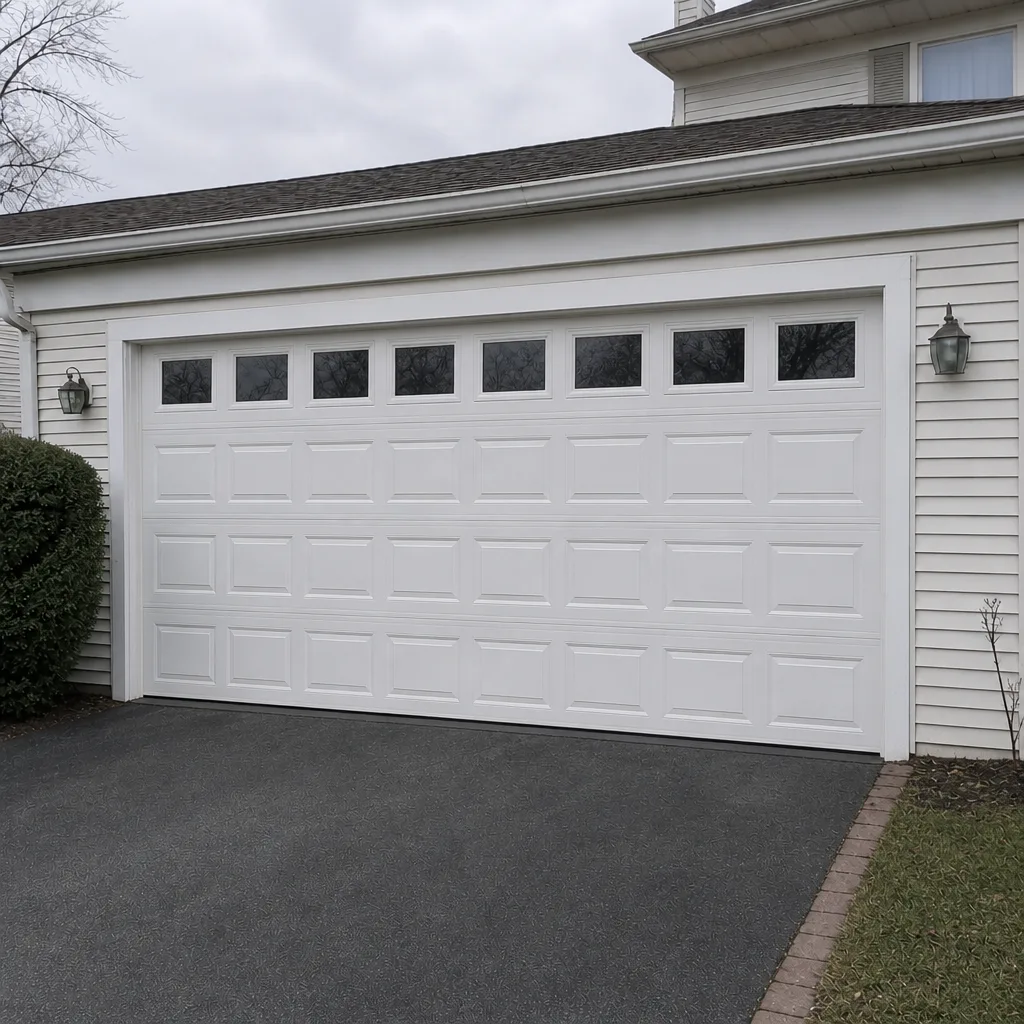
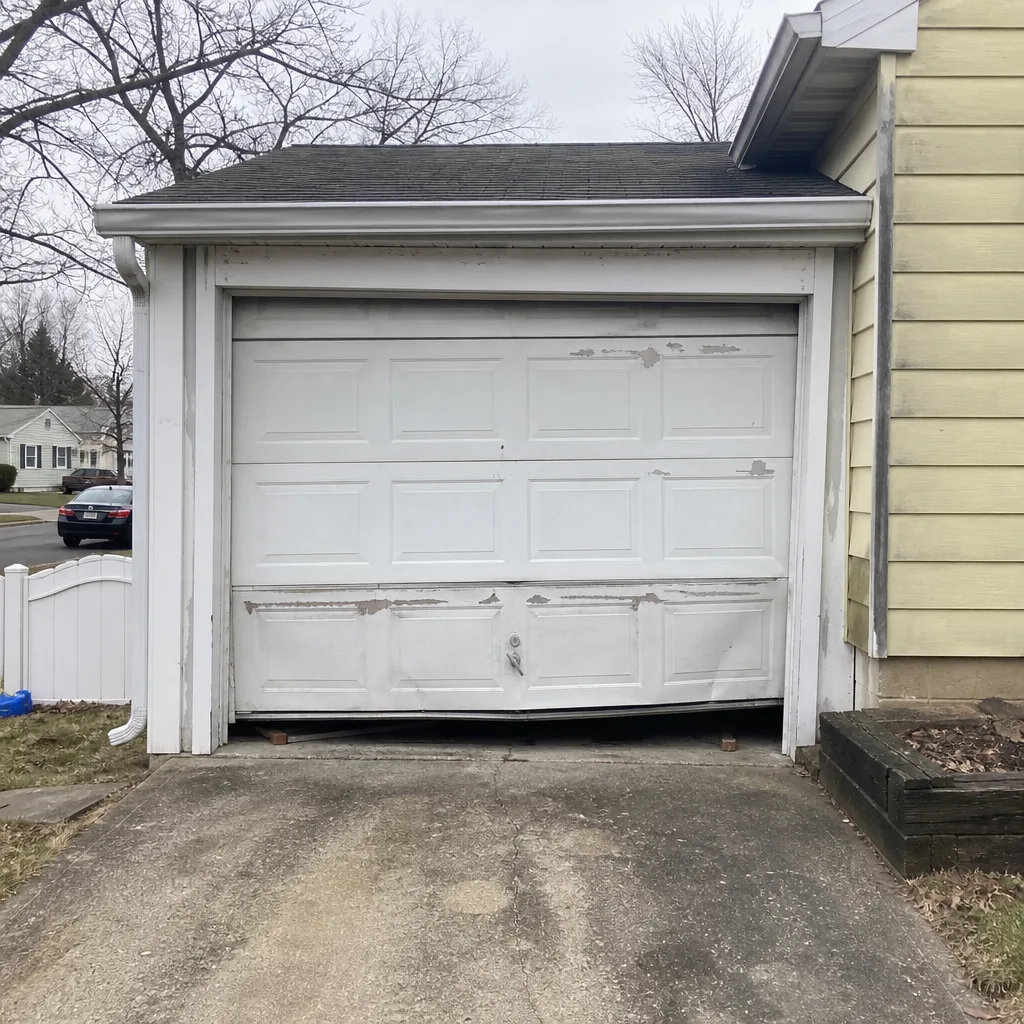
See the difference
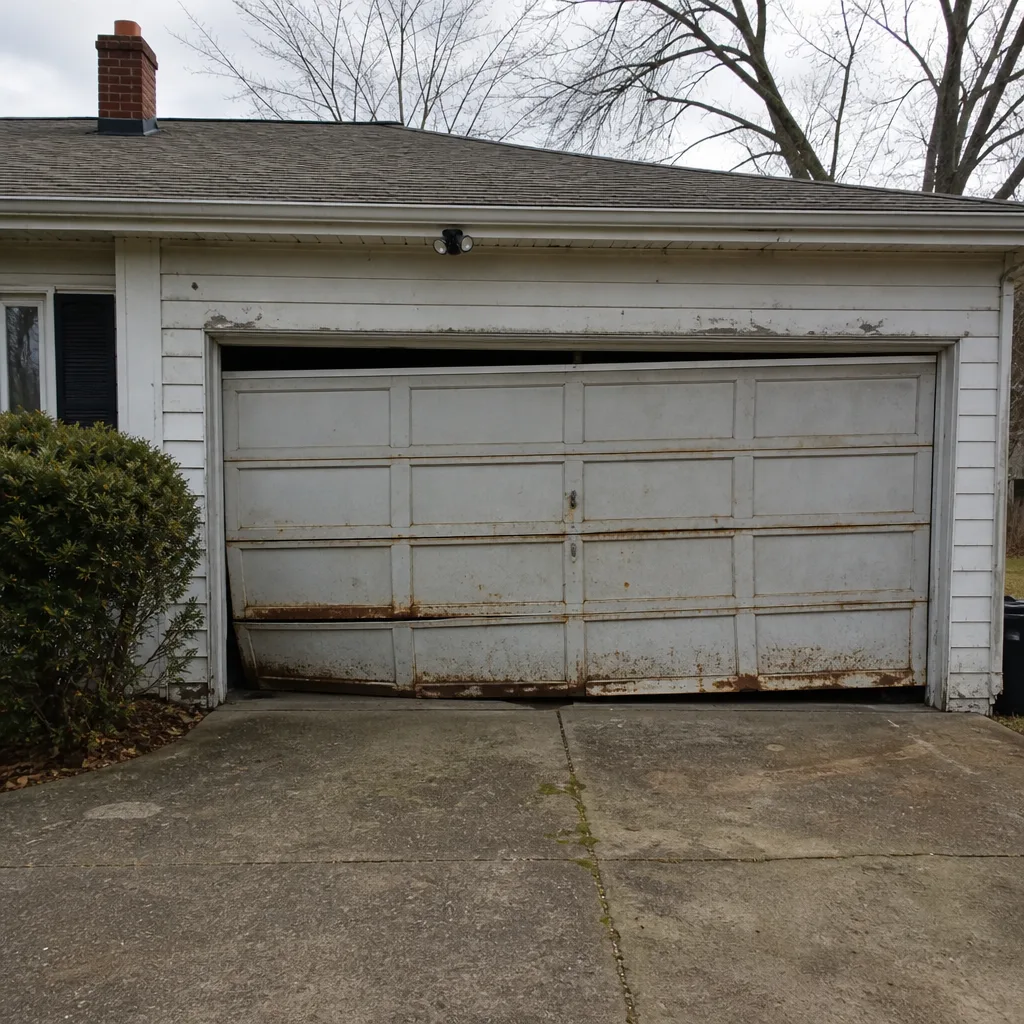 Before
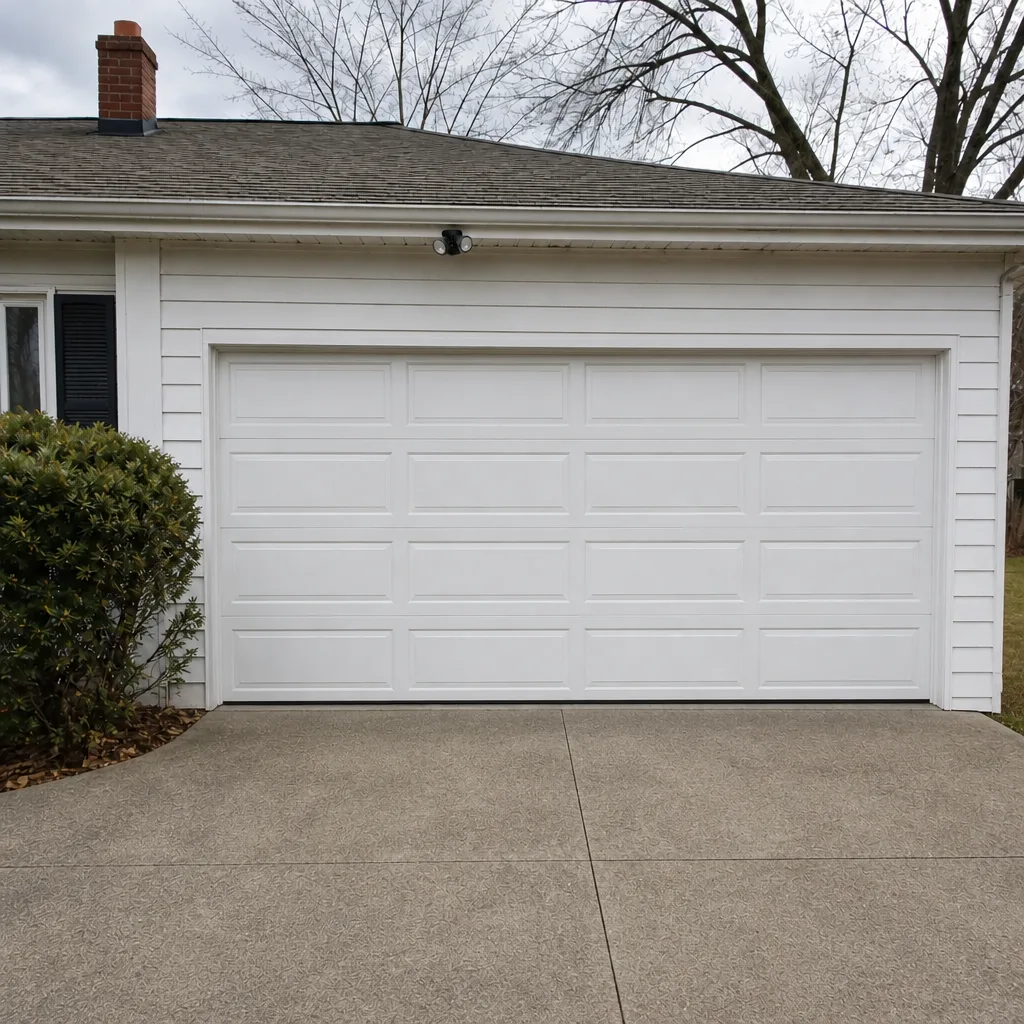 After
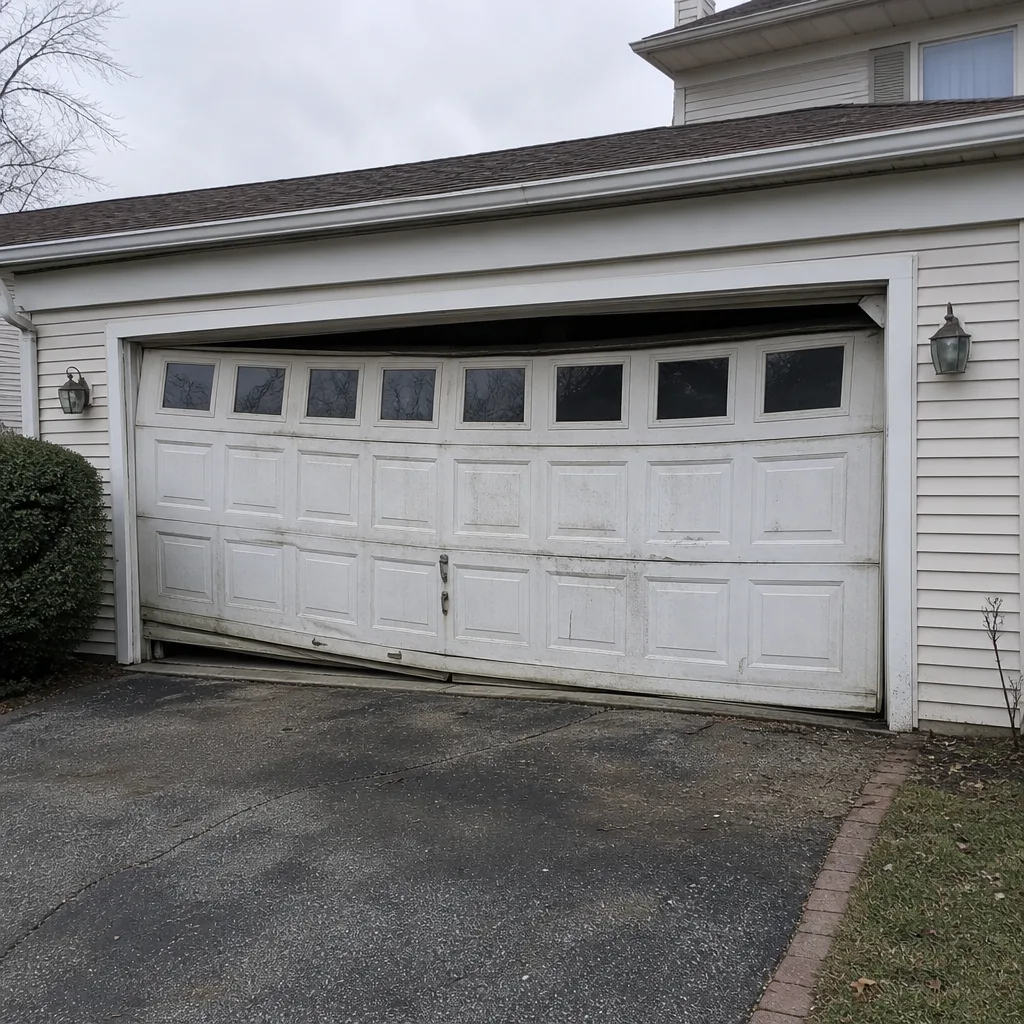 Before
 After
 Before
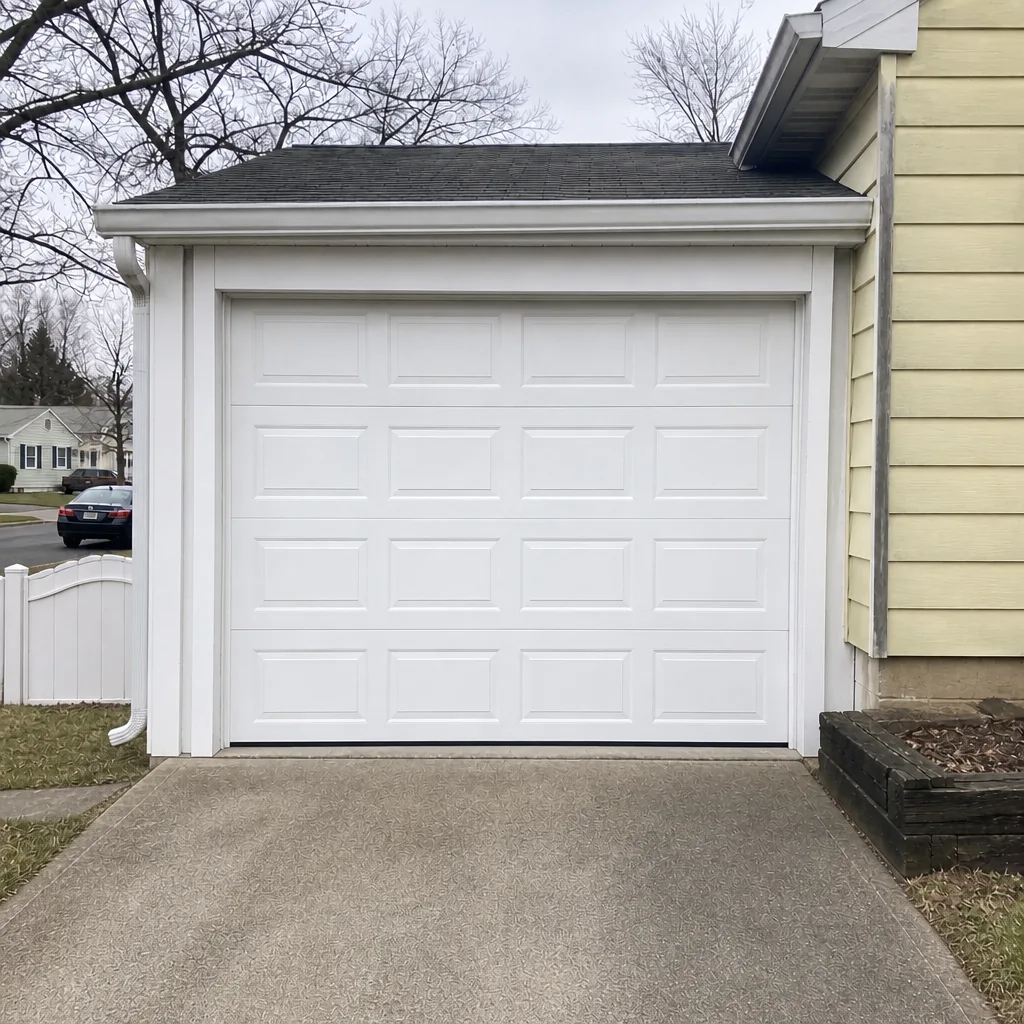 After
When to Call a Professional
Some of what’s in this guide you can watch. Some of it you shouldn’t touch. Call a professional for any of the following in an Edison home: a popped or distorted spring, a frayed or separated cable, a door that won’t stay halfway open when released, a door that slams or drops, smoke or a burnt smell near the opener, a door stuck halfway on a track, or a balance problem you’ve already confirmed and can’t safely correct. For a same-day call: (877) 471-0219. Estimates are free, the price is quoted and agreed before any work starts, and our technicians are licensed and insured. Our garage door repair team handles the door and hardware side, and the opener team handles the motor, sensors, and smart-opener diagnostics. We answer 24/7. Fast dispatch from 7am to 7pm, Sunday through Friday.
Frequently Asked Questions
The most common warning signs we see in Edison homes are a door that moves slower or jerks, new noise from rollers or hinges, a door that won’t stay open at the halfway point, visible weathering at seals, and opener behavior changes such as a remote that stops working from the driveway. The order of urgency goes springs and cables first, balance second, and everything else can usually be scheduled. If a spring has popped or a cable is frayed, that’s a same-day call – call (877) 471-0219 for an exact quote, estimates are free.
A visible spring warning – a drop in tension, a distorted coil, or a spring that has visibly shed rust – is a same-day call because the door is no longer safe to operate under its own weight. A slow loss of balance with no visible spring damage can be scheduled within a couple of days, but the door shouldn’t be used much in the meantime. Either way, don’t attempt to adjust the spring yourself; the tension stored in it is not something to work around without the right tools and training. Call (877) 471-0219 for an exact quote, estimates are free.
Yes, sometimes – the opener display on brands like LiftMaster, Chamberlain, Genie, and Craftsman reports specific faults that point to the cause. A sensor fault, a motor-overload indication, and a limit-switch fault each read differently. Photograph the display before you call, and the technician can usually identify the issue before the visit. Call (877) 471-0219 for an exact quote, estimates are free.
Early repair in Edison is typically less expensive than a full system recovery, because most early warnings are one-component fixes – a roller, a hinge, a sensor, or a seal – rather than a spring, cable, or opener replacement. The written estimate sets the final price, and we quote before any work starts. Call (877) 471-0219 for an exact quote, estimates are free.
A new sound from a roller or hinge can usually wait a week or two if the door still moves smoothly and stays balanced. A new sound from the area of the springs or cables should not wait – stop using the door and call. If you’re not sure which category you’re hearing, call and describe the sound; that’s usually enough to triage. Call (877) 471-0219 for an exact quote, estimates are free.
Yes, our technicians are licensed and insured, and our technicians have up to 9 years of experience across the eight major garage door and opener brands. We work on what’s already in your garage – LiftMaster, Chamberlain, Genie, Clopay, Amarr, Wayne Dalton, Craftsman, and Raynor – so diagnosis starts from familiarity with your equipment, not a learning curve. Call (877) 471-0219 for an exact quote, estimates are free.
The Bottom Line
Garage doors warn you before they fail. The signals are sound, motion, appearance, and smell – and the cheapest repair you’ll ever make is the one you schedule after one of them, not after the door stops. Run the 30-second check once a month. Watch the door’s balance, listen for new noise, and look at the springs and cables. Treat springs and cables as same-day territory and everything else as schedulable. And if you’re not sure whether what you’re hearing is a warning or normal wear, call Edison Garage Door Service at (877) 471-0219 for a free estimate. Estimates are free, the price is quoted and agreed before any work starts, and we answer 24/7.
Written by the team at Edison Garage Door Service.