
Last updated November 15, 2026
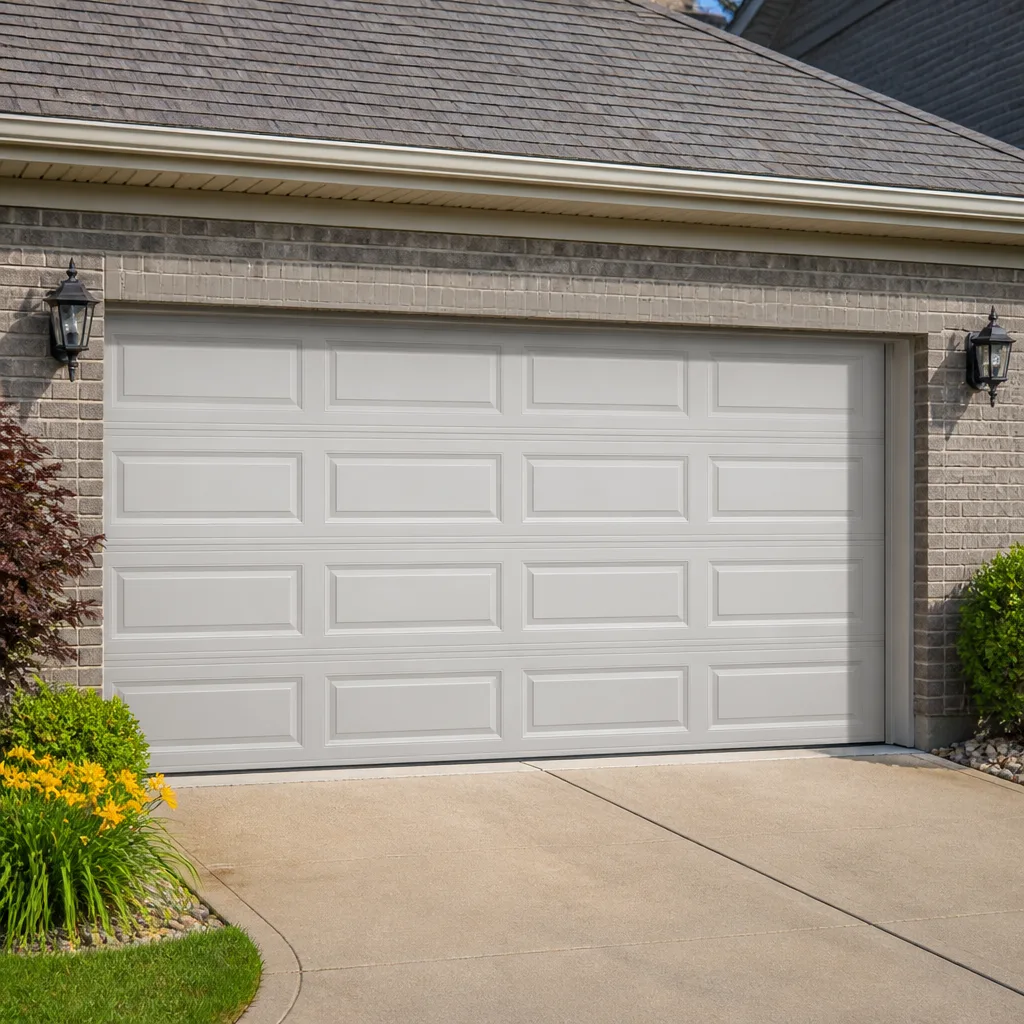 Raised-panel steel
 Carriage house
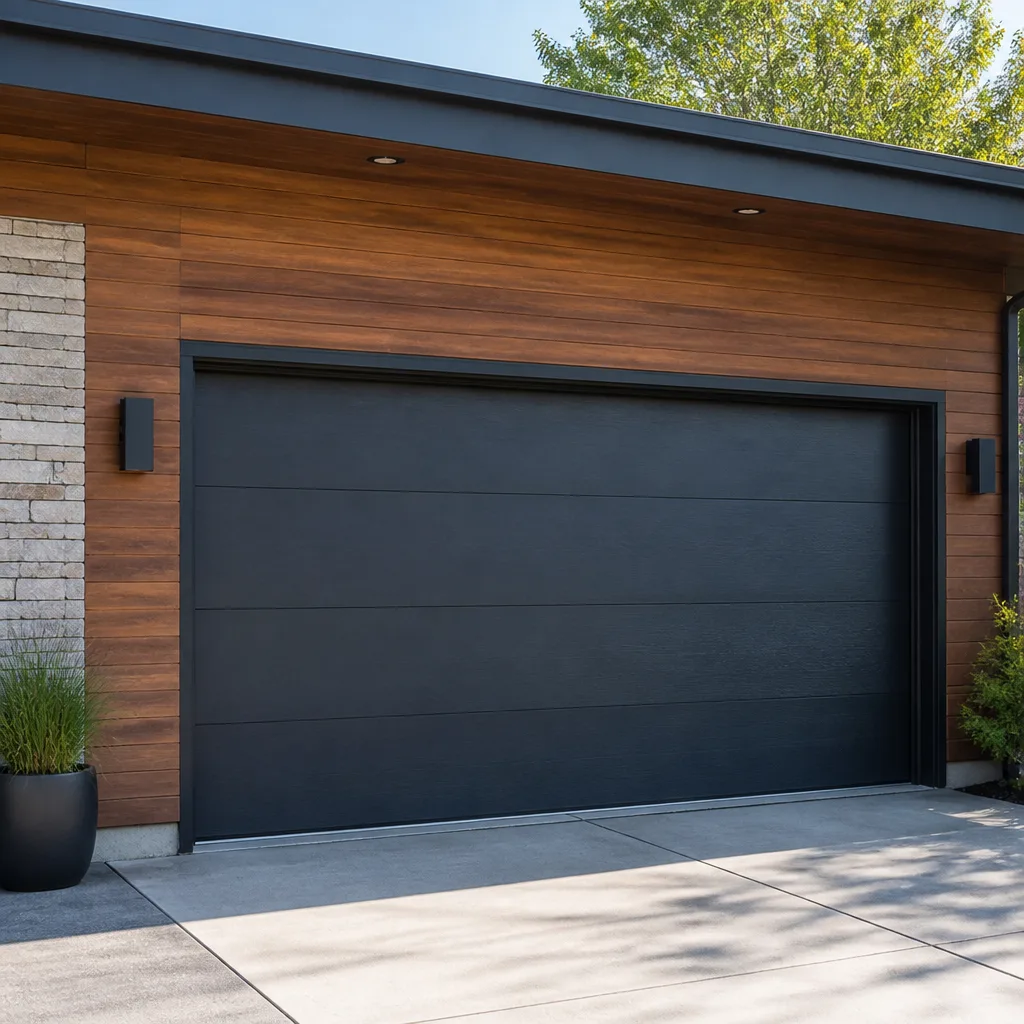 Modern flush
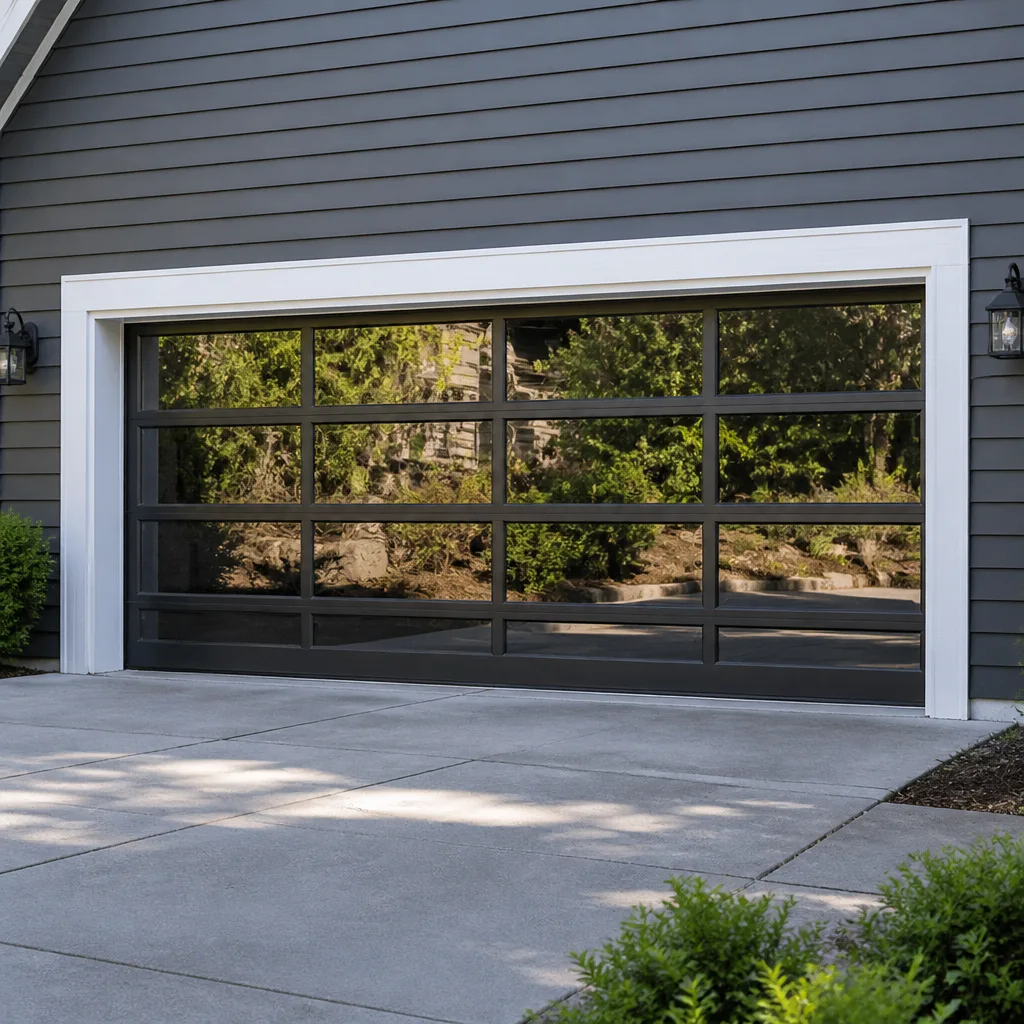 Full-view glass
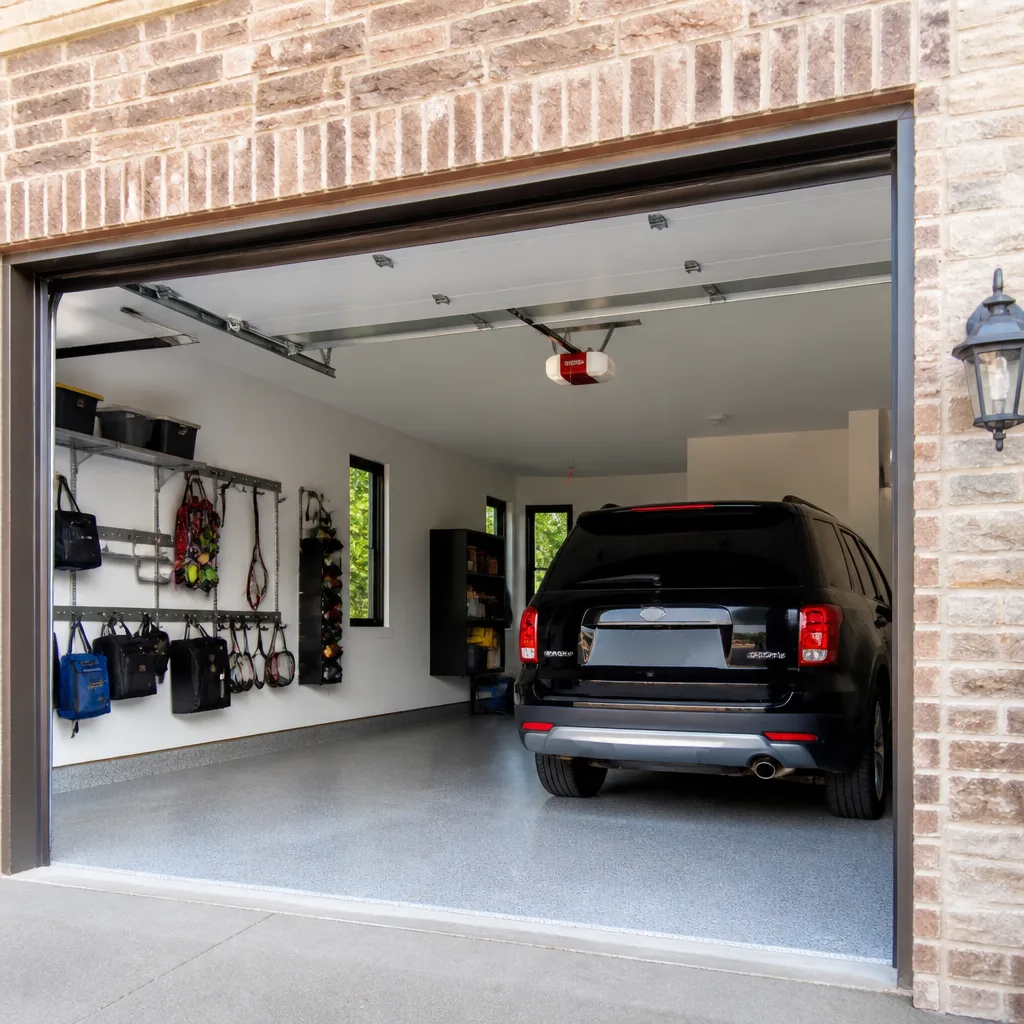 LiftMaster openers
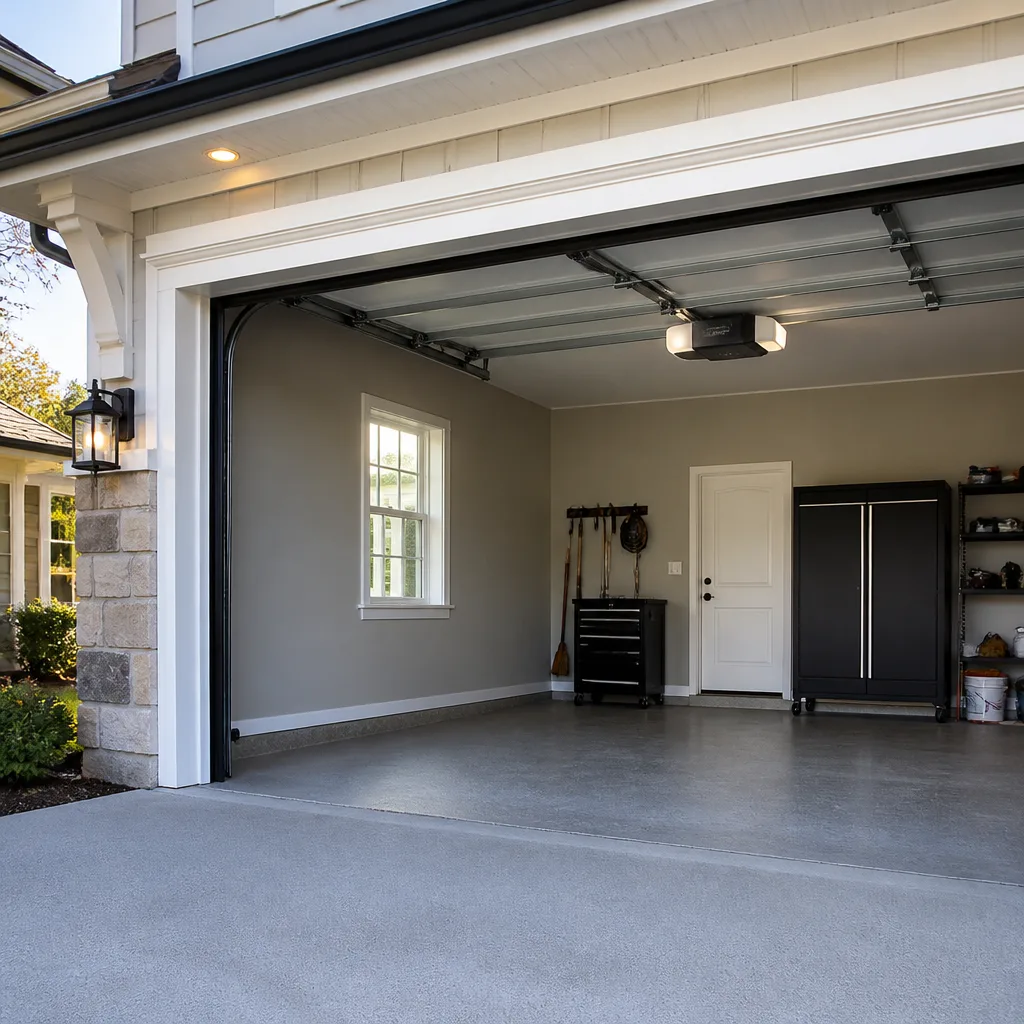 Chamberlain openers
Full 25-point door and opener safety check with every visit - springs, cables, rollers, tracks, and your LiftMaster or Chamberlain opener included
You get a price before we start. It does not change when the pro arrives.
Get your free estimateSeasonal Garage Door Care for Edison: Year-Round Homeowner’s Guide
Most seasonal garage door guides are written for a climate that Edison doesn’t have. They warn about deep cold, heavy snow load, and months of subfreezing temperatures. Edison gets a handful of genuinely cold weeks and then bounces above and below freezing for the rest of the winter, and that bouncing is what damages doors. Freeze-thaw cycling is harder on a bottom seal, a track anchor, and a hinge screw than a steady 20 degrees ever is. The single most useful thing a homeowner in Edison can learn is when to act, and the answer surprises most people: late fall, not deep winter. This guide walks you through a month-by-month maintenance calendar built around Edison’s actual weather patterns, explains why October through early December is the highest-leverage window of the year, and separates the tasks that prevent emergency calls from the ones that just make the door look better.
Quick Answer
The best time to schedule seasonal garage door maintenance in Edison is late October through early December, before the first freeze-thaw cycles of winter. Those cycles crack bottom seals, shift track anchors, and loosen fasteners, and catching them in November costs far less than catching them in February. Summer humidity is the second pressure point, especially on wood and composite doors, and spring pollen plus winter road-treatment residue on hardware needs an annual cleaning that most homeowners skip.
Styles & brands we work with
- Raised-panel steel
- Carriage house
- Modern flush
- Full-view glass
- LiftMaster openers
- Chamberlain openers
Table of Contents
- Why Edison’s Climate Wears Doors Differently
- The Month-by-Month Care Calendar for Edison
- Why Late October Through Early December Is the Highest-Leverage Window
- Summer Humidity and Your Door Material: Steel, Wood, and Composite
- The Post-Winter Salt and Sand Residue Protocol
- Which Seasonal Tasks Prevent Emergencies and Which Are Cosmetic
- Lubrication, Hardware, and the Opener: A Seasonal Checklist
- When to Call a Professional
Why Edison’s Climate Wears Doors Differently
Edison sits in central New Jersey, which means it gets four real seasons without the extremes of either a mountain climate or a coastal one. That sounds gentle. In practice, it’s the specific combination that matters. Summers run humid enough that a wood door’s panels can swell and a steel door’s paint film can absorb moisture at the seams. Winters oscillate around the freezing mark, so the freeze-thaw cycle repeats far more often here than it does in places that simply stay cold. And spring brings a heavy pollen load followed by the road-treatment residue that a New Jersey winter leaves on everything within splashing distance of the driveway.
Each of those pressures hits a different part of the door. Humidity attacks the panels and the finish. Freeze-thaw attacks the bottom seal and the concrete anchors holding the track. Pollen and salt residue attack hinges, rollers, springs, and the metal skin near the bottom. And the opener, which most homeowners never think about, works harder in both temperature extremes because the door’s moving parts demand more force when they’re stiff or swollen.
That’s why a single “prepare for winter” checklist misses the mark in Edison. A door that’s properly maintained through all four pressure points behaves very differently from one that gets a quick tune-up in October and nothing else. We work on doors across Edison all year, and the ones that fail in January are almost always the ones that got attention in the fall but not in the summer or spring.
If you’re trying to understand the full system before you start planning, the Edison Garage Door Service overview covers the three layers we work on: the door structure, the opener and drive, and full installation. Seasonal care touches all three.
The Month-by-Month Care Calendar for Edison
Generic seasonal guides give you four buckets: spring, summer, fall, winter. Edison needs finer resolution than that, because the freeze-thaw window and the pollen window don’t line up with the calendar seasons cleanly. Here’s the calendar we actually recommend to homeowners in Edison and the surrounding neighborhoods, from Menlo Park to Clara Barton to North Edison.
January and February. Check the bottom seal for cracking after each hard freeze-thaw swing. Look at the track anchors where they meet the floor. If the concrete around an anchor looks cracked or the track has shifted a fraction of an inch, note it and address it as soon as the ground thaws enough. Lubricate hinges and rollers if the door starts sounding dry.
March and April. This is the salt and sand residue window. Once the road crews have stopped treating the streets, clean the hardware and the bottom of the door. This is also when you inspect for any winter damage that showed up over the cold months.
May and June. Spring pollen coats everything, including the door’s skin and the hardware. A quick wash removes the film before humidity season arrives. Check that the weatherstripping at the top and sides still seals tightly.
July and August. Watch for swelling on wood and composite doors, and check that the opener isn’t straining to lift a door that’s grown tight in the humidity. Paint touch-ups and finish repairs are easiest in the dry, warm stretch.
September and October. This is the setup window. Schedule any repair work now, before the cold arrives. Check the balance of the door and test the auto-reverse safety feature.
November and early December. The critical window. Seal cracks, tighten hardware, replace a worn bottom seal, and get a technician out if anything looks marginal.
Late December. Light checks only. If a problem appeared, note it and plan for the spring unless it’s a safety issue.
Notice how the calendar keeps you ahead of the door instead of reacting to it. That’s the whole point of seasonal care in a climate like Edison’s.
Why Late October Through Early December Is the Highest-Leverage Window
If you do one thing from this guide, do this: schedule your maintenance visit between late October and early December. There are two reasons, and both are specific to how winters behave in this part of New Jersey.
The first is that the freeze-thaw cycle starts taking small bites out of your door the moment the overnight temperature first drops below freezing and back above it. A bottom seal that’s already slightly worn doesn’t announce itself in November. It cracks and separates in January. A track anchor that’s slightly loose in October doesn’t shift on its own; it shifts when the concrete heaves and settles through repeated freeze-thaw. If you catch either one in November, you’re fixing a small thing. If you catch it in February, you’re often replacing a bottom seal or re-anchoring a track.
The second reason is scheduling. Once the cold sets in and doors start failing, everyone calls at once. Getting on the calendar in late October means your work happens on your timeline, not in the middle of a busy stretch when something else has already gone wrong.
Here’s what a late-fall service visit should cover:
- Inspect the bottom seal for cracking, hardening, or gaps and replace it if it’s marginal.
- Check and tighten track anchors where they meet the concrete floor.
- Inspect all hinges, rollers, and fasteners for wear or looseness.
- Test the door balance with the opener disengaged.
- Check the opener’s force settings and safety-reverse feature.
- Lubricate moving parts with the appropriate product for the metal and material.
- Look at the springs for signs of wear, and confirm they’re the right kind for the door’s weight.
That list is not a do-it-yourself project. Springs, cables, and anything involving the tension in the lifting system are genuinely dangerous, and we’d rather you didn’t touch them. The inspection, sealing, lubrication, and hardware tightening can all be handled by a technician in one visit. If you want to know what kind of work falls under a standard service call, our garage door repair page explains it in more detail.
Summer Humidity and Your Door Material: Steel, Wood, and Composite
Humidity is the pressure point most homeowners in Edison underestimate, because it doesn’t announce itself like cold weather does. Different door materials respond to summer humidity in completely different ways, and each one needs a different kind of care in July and in January.
Steel doors
Steel doors handle humidity well on the surface, but the places where they fail are the seams, the joints, and the bottom edge where moisture collects. Paint film is the door’s actual defense; when it chips or thins, moisture gets into the steel underneath. In summer, that means rust spotting along the bottom and at hinges. In January, a moisture-trapped seam can freeze, expand, and push the paint off from the inside. The fix is the same in both seasons: keep the paint film intact, and don’t let small chips go unaddressed for more than one season.
Wood doors
Wood is the most humidity-sensitive material. In a humid Edison July, the panels can swell enough that the door feels tight in its opening and the opener has to work harder. In January’s dry indoor air and cold outdoor air, the same wood shrinks and can reveal hairline separations at joints. The right response is to maintain a consistent finish, check for swelling in summer, and check for shrinkage cracks in winter. A wood door should never be left with a compromised finish through a full year; the swelling-and-shrinking cycle will find every weak spot.
Composite and insulated doors
Composite doors split the difference. They resist moisture better than wood but still move with temperature. Insulated doors with a steel skin over a foam core behave like steel on the outside but may have a slight expansion difference between the skin and the core over a hard summer-to-winter swing. Watch for panels that look slightly bowed in August and check that they’ve come back flat by November.
Brand matters here too. We work with Clopay, Amarr, Wayne Dalton, and other major door manufacturers, and each one builds its doors slightly differently. A Clopay steel door and a Wayne Dalton door don’t have the same seam construction, so the places to inspect and the products to use can differ. Knowing the brand on your door is the first step toward a care plan that actually fits it.
The Post-Winter Salt and Sand Residue Protocol
New Jersey winters leave a residue on everything near the driveway: road salt, sand, and the fine grit that gets kicked up by passing traffic. Most of it lands on the parts of your door that are hardest to see and easiest to ignore, which means it stays on the metal for months and does quiet damage.
The residue problem is real for a specific reason. Salt is hygroscopic, meaning it pulls moisture out of the air. On a hinge or a roller, that means the metal stays wet far longer than it would otherwise, and the corrosion that follows is faster than what you’d get from plain rainwater. Sand and grit work differently; they get into the roller tracks and the hinge points and act like sandpaper against the moving surfaces every time the door cycles.
The window for this protocol is late March through April, once the road crews have stopped treating the streets. Don’t wait until the weather is warm to clean; get the residue off as soon as treatment season ends.
- Rinse the door’s exterior skin, especially the bottom third, with a hose to remove loose grit.
- Wipe down the hardware, hinges, and roller stems with a damp cloth to remove salt film.
- Dry everything thoroughly. Trapped moisture is what actually causes corrosion.
- Clean the tracks with a dry cloth or soft brush. Avoid pouring water into the track, since that just helps it hold grit.
- Re-lubricate hinges and rollers with the appropriate product for the material.
- Inspect the bottom seal, which is the part most exposed to salt splash, and replace it if it’s hardened or cracked.
This is one of the seasonal tasks homeowners skip because it feels cosmetic. It isn’t. A hinge that corrodes because of salt residue can seize, and a seized hinge puts uneven stress on the door’s panels and the opener. Cleaning in the spring prevents repair calls in the summer.
Which Seasonal Tasks Prevent Emergencies and Which Are Cosmetic
Not every seasonal task is equally important, and knowing the difference helps you prioritize when time and budget are tight. Here’s how we rank them.
Tasks that prevent emergency calls
- Bottom seal inspection and replacement. A failed seal lets water in under the door, which is eventually a track-and-floor problem. In January, it also lets cold air freeze the seal hard, which cracks it further.
- Hardware tightening. A hinge that’s slightly loose becomes a hinge that shears. A track anchor that’s slightly loose becomes a shifted track. Both are cheap fixes now and expensive repairs later.
- Balance testing. A door that’s not balanced forces the opener to lift more weight than it’s designed for, which accelerates motor and gear wear.
- Safety-reverse testing. This is a safety feature, not a convenience feature, and it should be checked seasonally.
- Spring inspection. You’re looking for signs of fatigue, not adjusting anything yourself. A spring that’s near failure should be replaced before it fails.
Tasks that are mostly cosmetic
- Paint touch-ups. Worth doing, especially on steel, but they can wait a season if you need to prioritize.
- Washing the door’s exterior. Removes pollen and grime; doesn’t prevent mechanical failure on its own, though the residue cleaning above does.
- Window and panel cleaning. Purely visual.
- Decorative hardware polishing. Nice to have, no mechanical impact.
If you only have time for half the seasonal list, do the emergency-prevention work in October and November, and do the cosmetic work whenever it fits.
Lubrication, Hardware, and the Opener: A Seasonal Checklist
The mechanical layers of your garage door system each need different attention at different points in the year. Here’s the checklist we walk through at each seasonal visit.
The door hardware
- Hinges and rollers: lubricate at least twice a year, ideally spring and fall, and after any salt-residue cleaning.
- Springs: do not lubricate standard torsion springs with anything heavy; they’re designed to run as they are, and the wrong product attracts grit. If you’re unsure what’s appropriate for your spring type, ask the technician.
- Tracks: clean dry, never oiled. Oil attracts grit, and grit wears out rollers.
- Bottom seal: a light wipe with a silicone-based product helps keep the rubber from drying out, especially before and after the freeze-thaw season.
The opener
Openers have their own seasonal pressure points. In summer, humidity makes the door heavier to lift, so the motor does more work. In winter, cold stiffens the door’s moving parts, so the opener strains again. Neither of those is a problem if the door is balanced and lubricated. Both become a problem if something’s slightly out of adjustment.
Check the opener’s force settings and the safety-reverse feature seasonally, and watch for any change in how the door sounds during operation. Grinding, straining, or a door that reverses on its own are all signs the opener is telling you something. If you’re hearing any of those, that’s a good time to have it looked at by a specialist. Our garage door opener repair page covers what a technician looks for.
Brand matters here too. A LiftMaster opener, a Genie, and a Craftsman each have their own control panel layout and their own maintenance points. A technician who works on the brand you actually have will spot an issue faster than one who has to figure it out on the spot.
Common Mistakes to Avoid
- Treating October as the only maintenance window. Edison’s climate has four distinct pressure points, not one. Fall care is critical, but skipping spring residue cleaning and summer humidity checks leaves gaps that show up as failures in the following season.
- Greasing the tracks. This is the most common mistake we correct. Tracks should stay clean and dry. Any lubricant you add attracts grit from the driveway and slows the rollers down, which wears them out faster.
- Ignoring the bottom seal between November and April. The bottom seal takes the most abuse from freeze-thaw and road salt, and it’s the cheapest part on the door to replace. Letting it ride until it fails puts water and grit into the track and the floor joint.
- Letting the opener compensate for a door that needs maintenance. If the opener has had to strain through a humid summer and a cold winter, the motor and gear are absorbing wear that was meant for the door’s hardware. Fix the door first; the opener lasts longer as a result.
- Skipping the safety-reverse test. This is a safety check, not a performance check, and it should be done seasonally. If it isn’t working, that’s a safety call to make right away.
- Assuming a wood door behaves like a steel door in humidity. Wood swells; steel doesn’t. Treating a wood door with a steel door’s schedule leaves panel swelling and joint separation unaddressed through the wettest part of the year.
- Cleaning the door’s exterior but not the hardware. Salt and sand residue lives on the hinges and rollers, not just on the visible skin. Washing the skin removes the coat and leaves the damage behind.
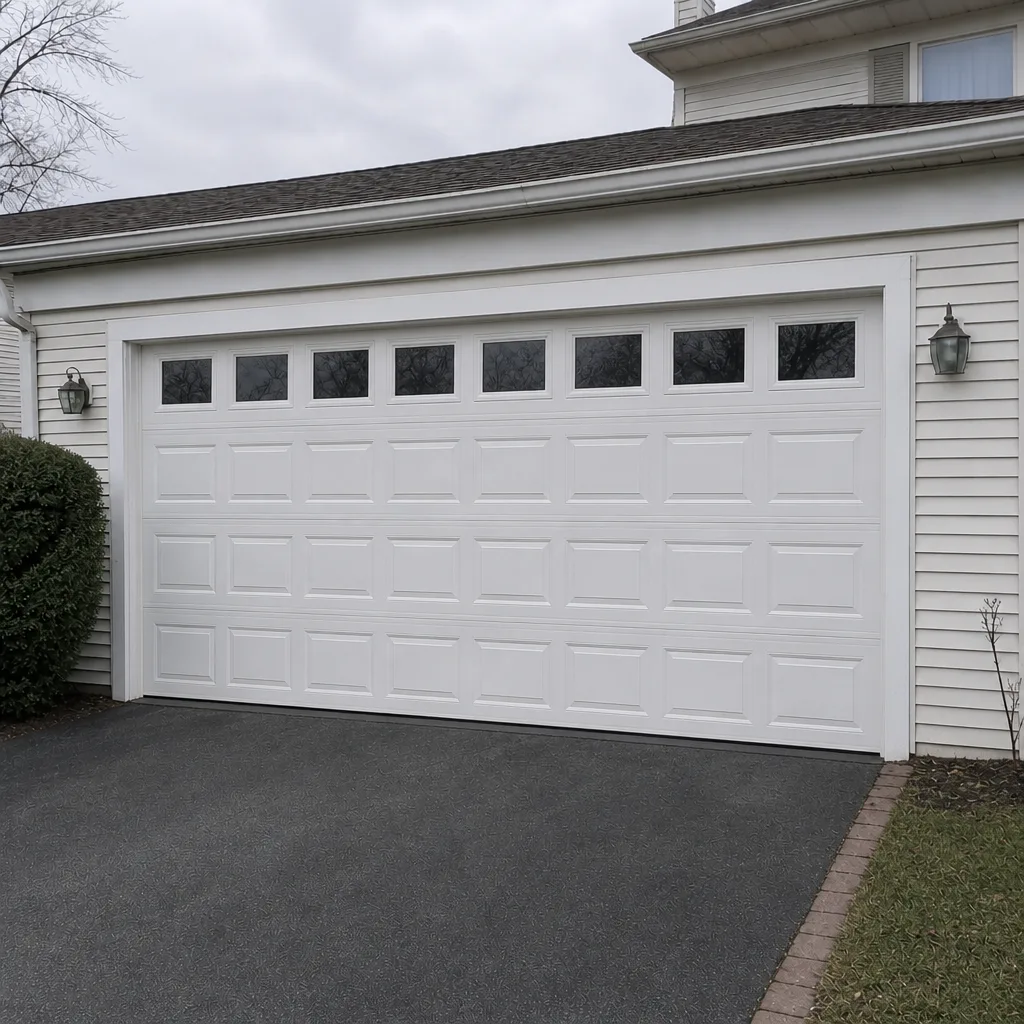
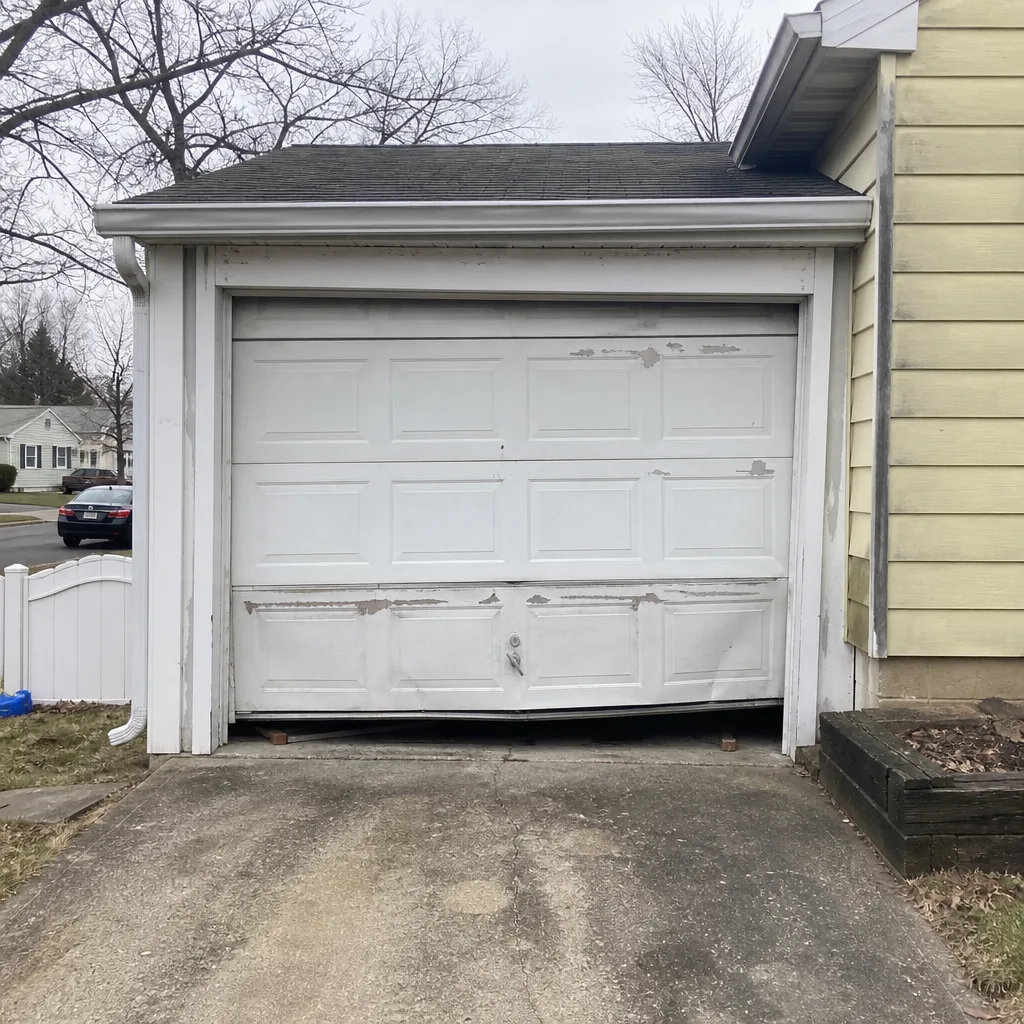
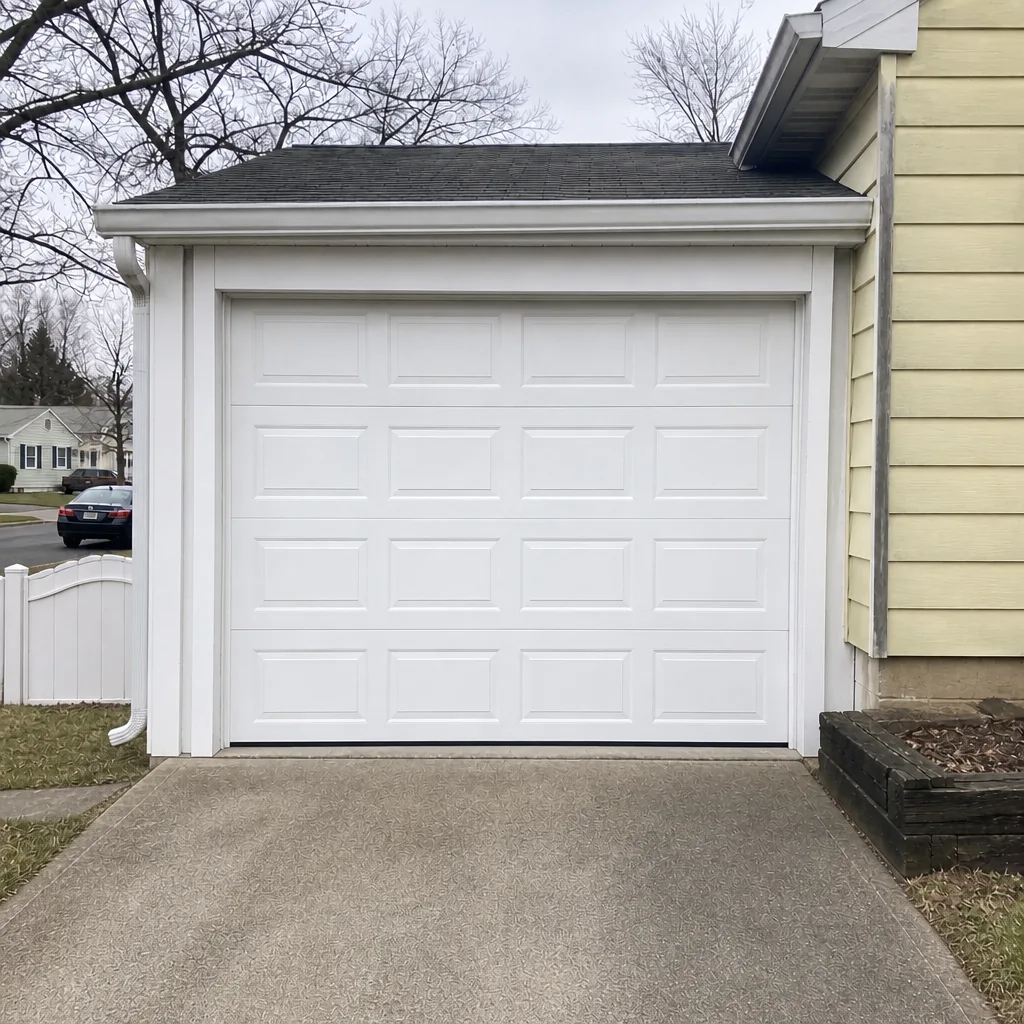
See the difference
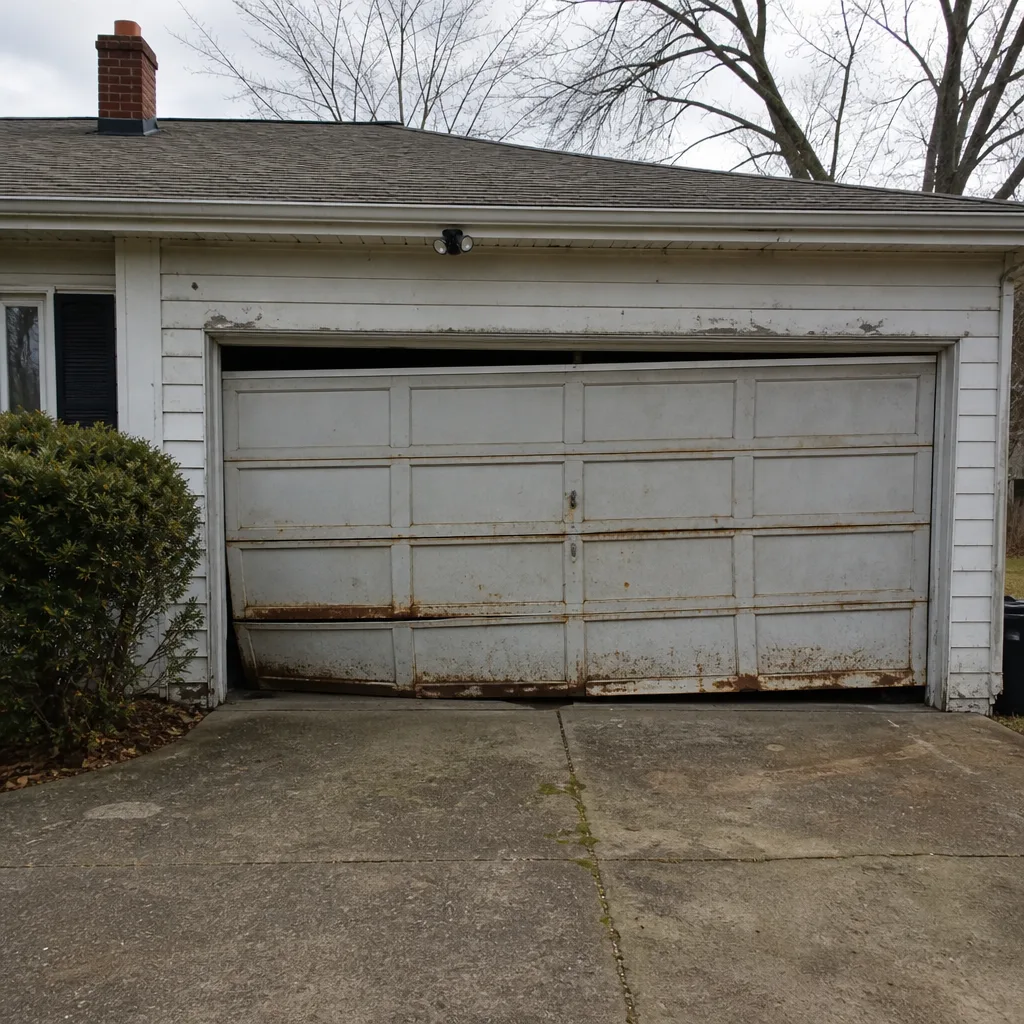 Before
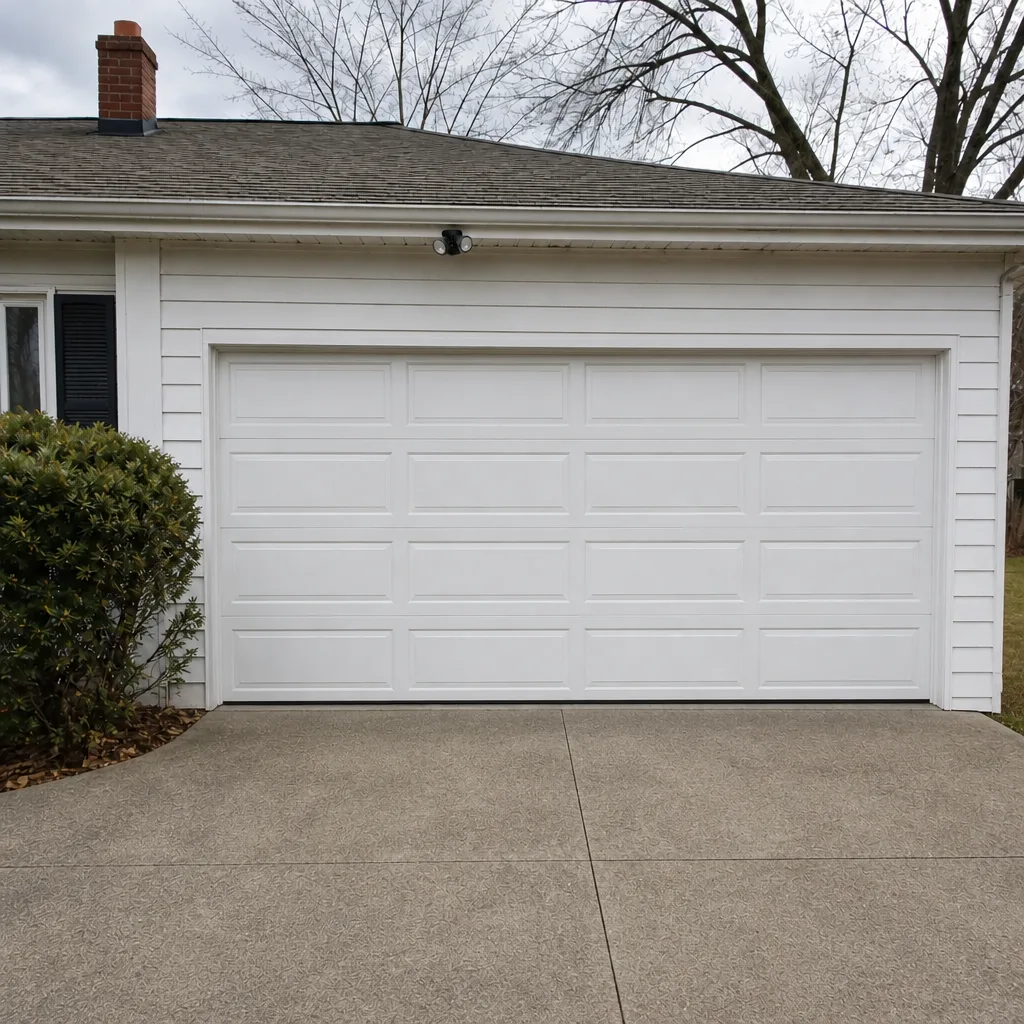 After
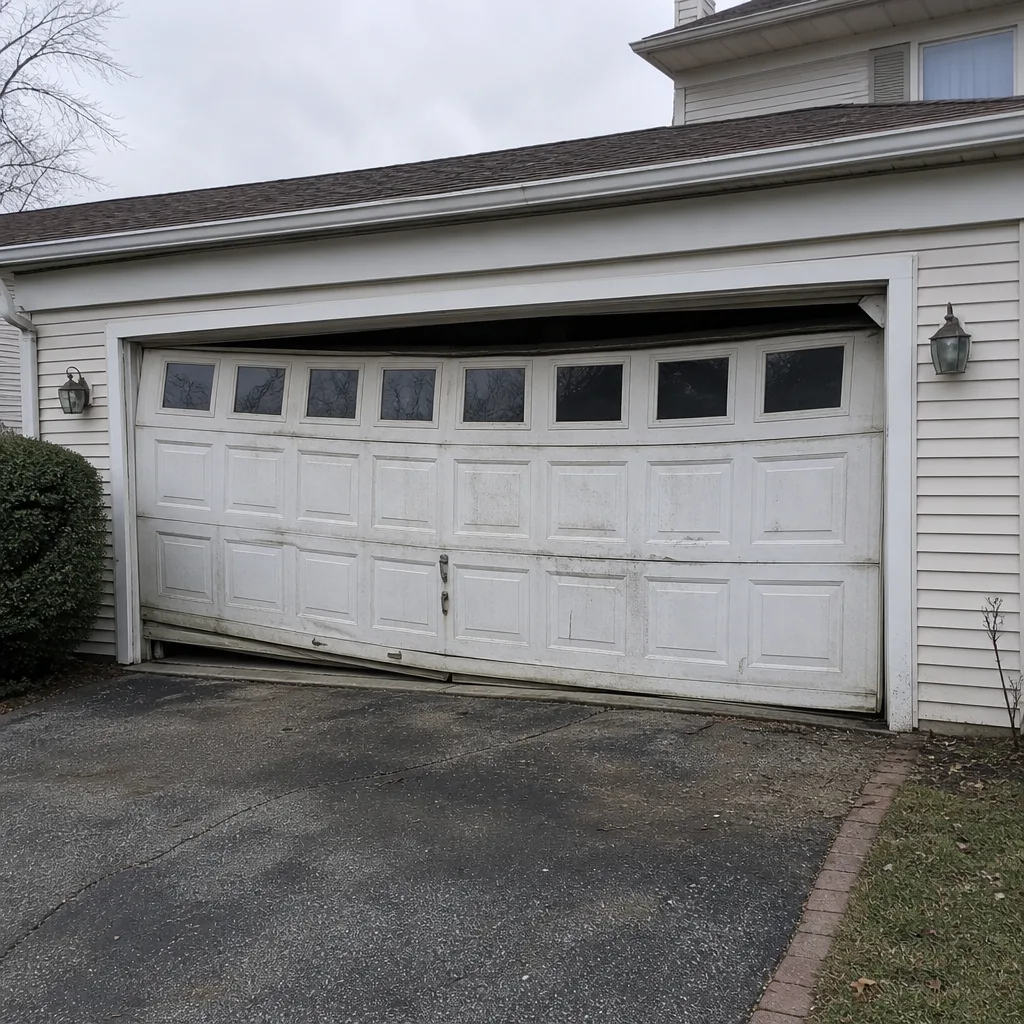 Before
 After
 Before
 After
When to Call a Professional
Some seasonal work belongs in the hands of a technician, and it’s worth being clear about which is which. Anything involving the springs, cables, or the tension in the lifting system is genuinely dangerous; those parts are under load, and a mistake can cause serious injury. Don’t attempt to adjust, lubricate, or remove them yourself. Track realignment, opener force settings, and any repair that requires disassembly also belong with a trained technician. And if your door is unbalanced, reverses unexpectedly, or makes a sound that wasn’t there last month, have it looked at before you use the door again.
Edison Garage Door Service offers free estimates in Edison. Call (877) 471-0219. We answer 24/7. Fast dispatch from 7am to 7pm, Sunday through Friday. We work on the brands that are actually in Edison garages, including LiftMaster, Chamberlain, Genie, Clopay, Amarr, Wayne Dalton, Craftsman, and Raynor, so you’re not waiting while a technician figures out your equipment. Learn more about how we work across Edison.
Frequently Asked Questions
Late October through early December is the best window. That’s before the freeze-thaw cycles start, so any small issue gets caught and fixed before the cold makes it bigger. A second, lighter round of care is worth doing in spring, after road treatment residue can be cleaned off the hardware.
Twice a year is the standard recommendation, ideally once in spring after the salt residue cleaning and once in fall before the freeze-thaw season. Doors that face more road splash from the driveway may benefit from a third light pass in midsummer. Call (877) 471-0219 for an exact quote on a full seasonal service – estimates are free.
Yes, especially on wood and composite doors. Wood panels can swell enough to make the door tight in its opening, and a steel door’s paint film can absorb moisture at the seams. The result is an opener that works harder than it should through July and August, and sometimes a door that doesn’t quite close flush.
You can handle the exterior skin and the general hardware wipe-down. Skip anything involving the springs, cables, or opener controls. If you want the full residue protocol done right, including hardware inspection and re-lubrication, that’s a reasonable service call. Call (877) 471-0219 for a free estimate.
If the door opens and closes smoothly, makes the same sound it’s always made, and the safety-reverse feature works, you likely just need maintenance. If the door is unbalanced, reverses on its own, hesitates, or sounds different than it did a month ago, that’s a repair call. Don’t keep running the opener through an obvious problem.
No. The written estimate sets the price, and it’s quoted and agreed before any work starts. If a technician finds something beyond what was discussed, you’ll hear about it before any additional work is done, and you decide whether to proceed.
The Bottom Line
Seasonal garage door care in Edison is not about preparing for extreme cold. It’s about managing four distinct pressures across the year, each hitting a different part of the door. Late October through early December is the highest-leverage window, because that’s when the freeze-thaw cycle starts and when a small fix stays small. Spring residue cleaning, summer humidity checks on wood and composite, and a fall hardware inspection round out the calendar. Prioritize the tasks that prevent emergencies: bottom seal, hardware tightening, balance, safety-reverse, and spring inspection. The cosmetic work can wait.
If you’d like a technician to walk your door through the seasonal checklist and tell you honestly what needs attention and what can wait, call Edison Garage Door Service at (877) 471-0219 for a free estimate. We answer 24/7. Fast dispatch from 7am to 7pm, Sunday through Friday. Whether it’s a garage door repair call or a full seasonal service, the goal is the right fix, not the easiest upsell.
Written by the team at Edison Garage Door Service.