
Last updated November 15, 2026
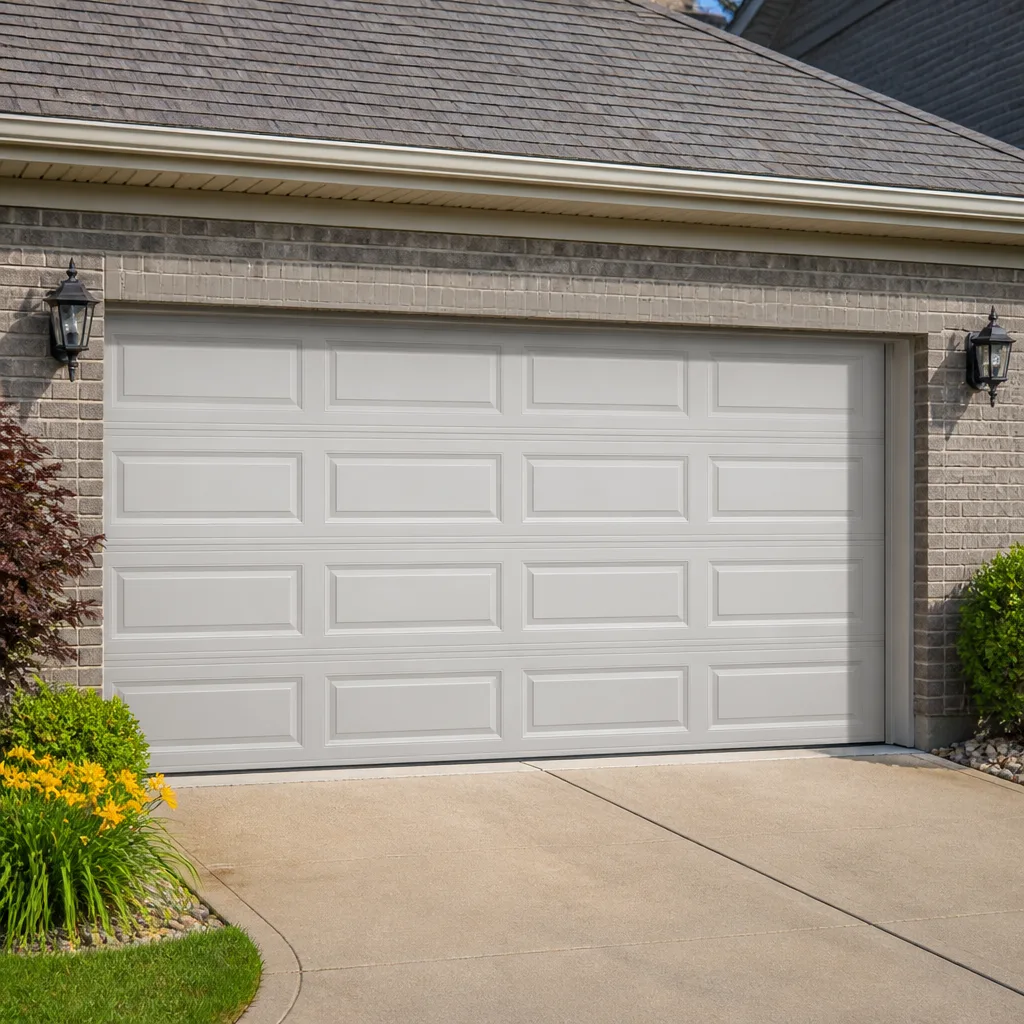 Raised-panel steel
 Carriage house
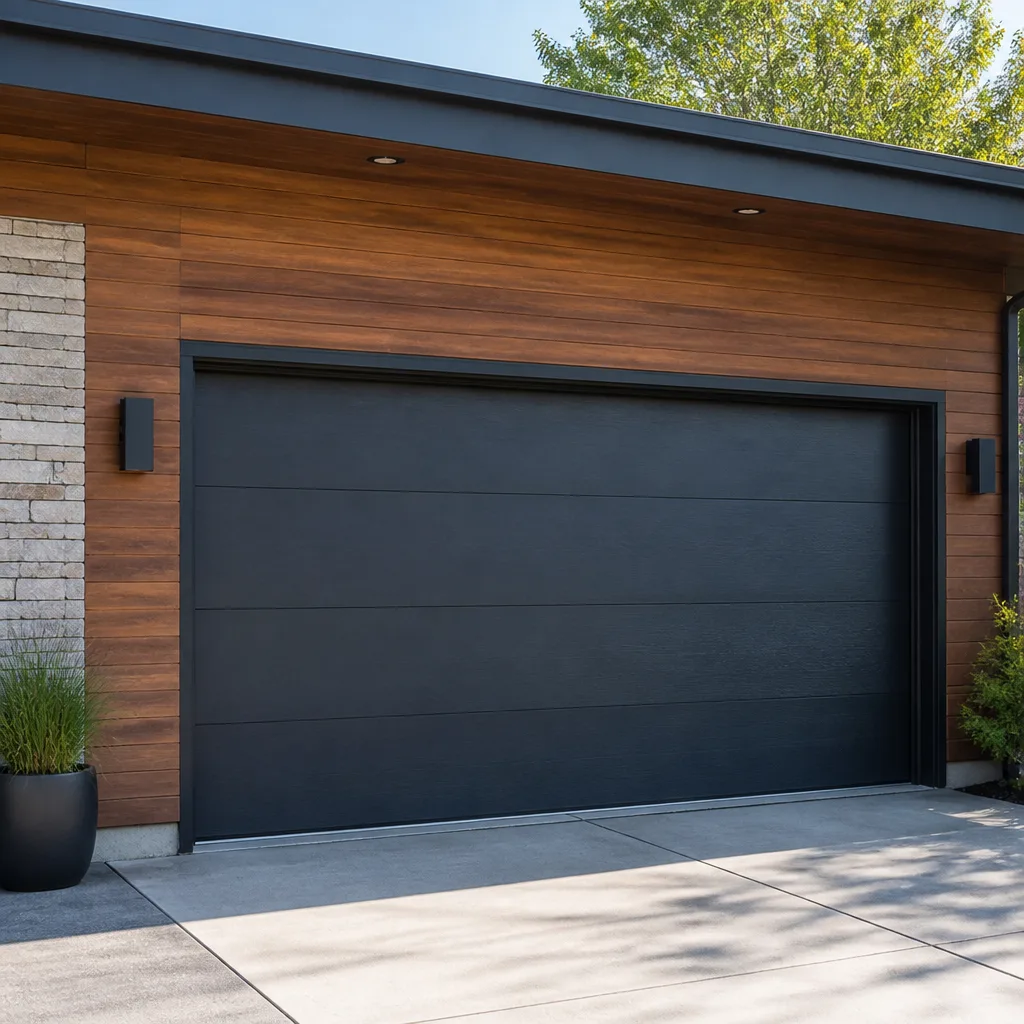 Modern flush
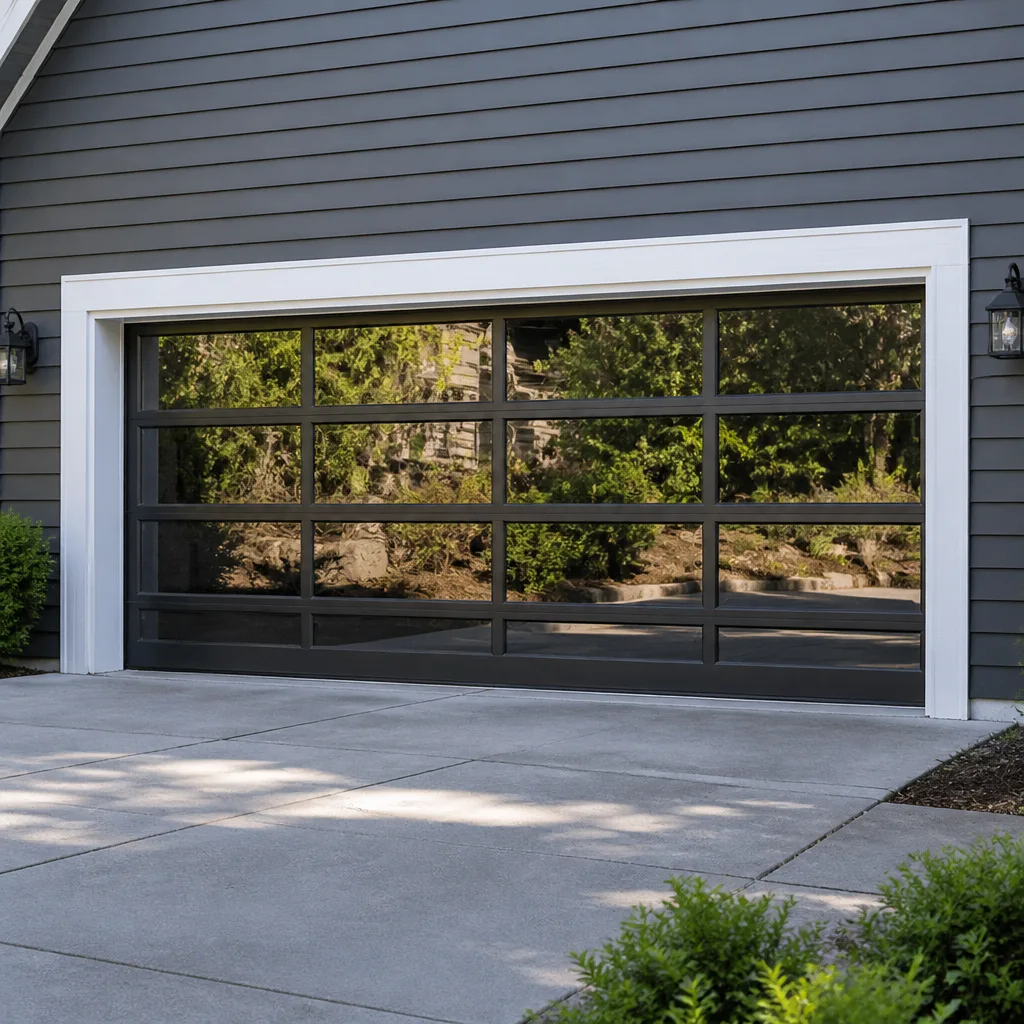 Full-view glass
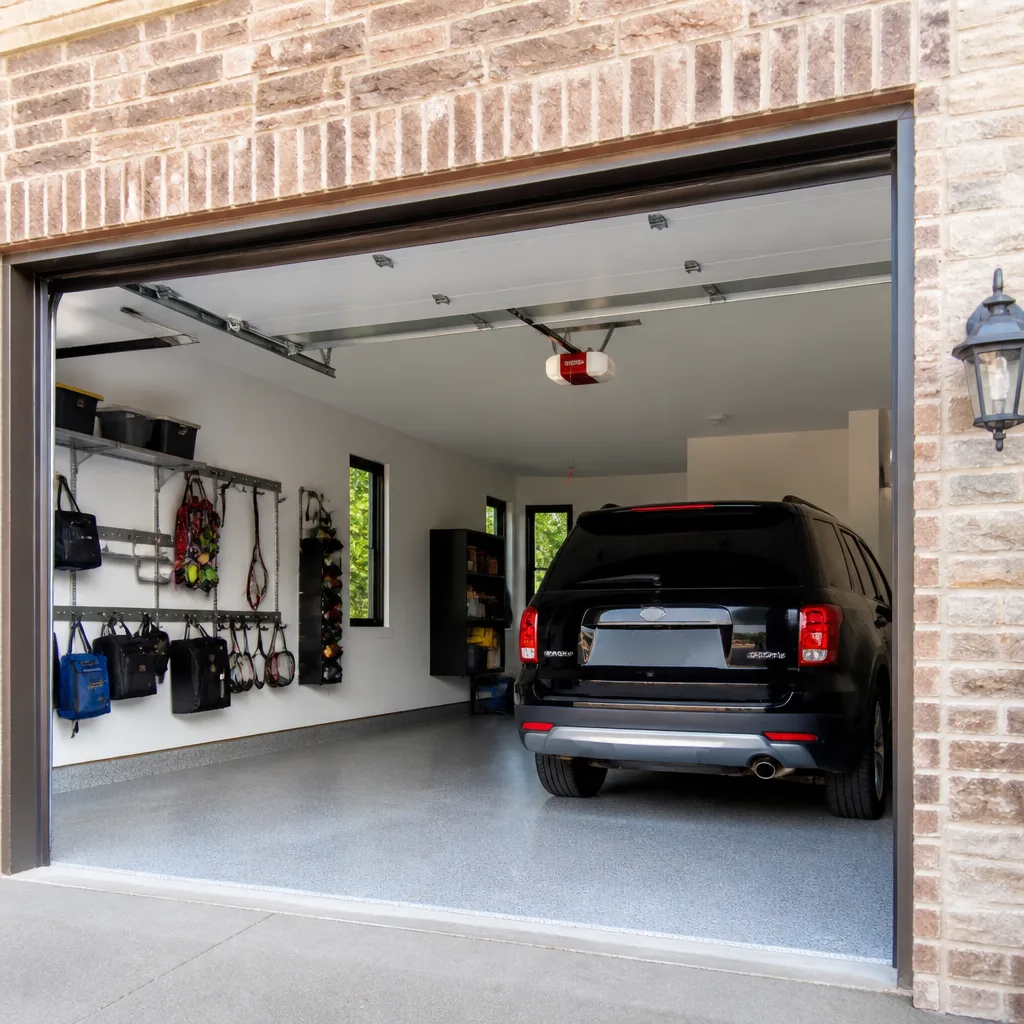 LiftMaster openers
 Chamberlain openers
Full 25-point door and opener safety check with every visit - springs, cables, rollers, tracks, and your LiftMaster or Chamberlain opener included
You get a price before we start. It does not change when the pro arrives.
Get your free estimateGarage Door Emergency Preparedness Guide for Edison Homes
Most garage door emergencies in Edison aren’t caused by the door breaking. They’re caused by nobody in the house knowing what to do when it does. The opener dies, or a storm knocks out power, and the whole household stands in the driveway staring at a door that won’t budge. The manual release cord is somewhere up there, but which one is it, and what happens if you pull the wrong thing? A door stuck closed keeps your car hostage. A door stuck open leaves your tools and bikes visible from the street. Different problems, same panic. This guide walks through both: what to check before you call anyone, how to release a door safely by drive type, how to secure an open door when help is hours out, and how to prep before a nor’easter so the storm doesn’t create the emergency.
Quick Answer
A garage door emergency in Edison is handled in three steps: stop pulling on the door, find the manual release cord on your opener’s rail and check whether you have a belt, chain, or screw drive before you pull it, and secure the door if it’s stuck open. If the door is stuck closed and your car is inside, a trained technician can typically restore it the same day. Call (877) 471-0219. We answer 24/7. Fast dispatch from 7am to 7pm, Sunday through Friday.
Styles & brands we work with
- Raised-panel steel
- Carriage house
- Modern flush
- Full-view glass
- LiftMaster openers
- Chamberlain openers
Table of Contents
- What to Check First When Your Door Won’t Respond
- How to Use the Manual Release by Opener Drive Type
- How to Secure an Open Garage Door Until Help Arrives
- Storm Prep for Edison Before a Nor’easter or Tropical System
- Power Outages, Surges, and Your Opener
- Making Your Emergency Information Work for Everyone in the House
- Springs, Cables, and the Failures You Should Never Touch
- Brand-Specific Notes: What Fails on Which Systems
What to Check First When Your Door Won’t Respond
A garage door that won’t move isn’t automatically a broken door. Roughly half the “emergency” calls we walk homeowners through start as something small: a tripped breaker, a dead remote battery, a photo-eye knocked out of alignment by a garbage can. The trick is checking in the right order so you narrow the cause in a few minutes instead of guessing for an hour. Work through this sequence before you call anyone.
- Try the wall button, not just the remote. If the wall button works and the remote doesn’t, you have a remote or receiver problem, not a door problem. If neither works, keep going.
- Look at the opener’s light. A rapid blink often means the safety sensors are blocked or misaligned. Wipe them off and check that they’re facing each other. In Edison, leaves and windblown debris after a storm knock these out of line more than anything else.
- Listen for a hum. If the motor hums and the door doesn’t move, the drive is engaged but something is binding or the door is locked. That points to a mechanical issue or a manual lock still engaged, not an electrical one.
- Check the breaker. Garages in Edison often share a circuit with outdoor outlets. A tripped GFCI in the garage or on the exterior wall kills the opener without any obvious sign. Reset it and try again.
- Test the emergency release only if the door is fully closed. Never pull the release cord with the door up. The door can slam down. This is the single most common mistake and one of the reasons we’re cautious about telling anyone to do it from a phone.
If all five checks come back normal and the door still won’t move, you’re looking at a mechanical or control-board failure, and that’s when a technician should look at it. Our garage door opener repair work covers both the electrical side and the mechanism, so you don’t get bounced between two vendors.
How to Use the Manual Release by Opener Drive Type
The manual release cord lets you disengage the door from the opener so you can lift it by hand. It’s a red cord with a handle, hanging from the trolley on the rail. Pulling it sounds simple, and it is, but the correct motion and the failure modes depend on what kind of drive your opener uses. Getting this wrong can strip the trolley or bend the rail, which turns a 20-minute repair into a much bigger job.
Belt Drive
Belt-drive openers are the quietest and the most common in newer Edison homes. The trolley on a belt drive slides smoothly when disengaged, so a firm downward pull with the door fully closed is usually enough. The mistake here is yanking at an angle. Pull straight down, and once the door is free, lift it slowly by the bottom handle. If the door feels extremely heavy, stop. That weight means the spring has likely failed, and lifting further can damage the door panels or injure you.
Chain Drive
Chain drives are the workhorses, and you’ll find them on a lot of older Edison builds, often paired with LiftMaster or Craftsman units. The trolley here is heavier. Pull the cord straight down with steady pressure, not a snap. Once disengaged, the door should lift with one hand if the springs are healthy. If it takes two, stop and call. A chain-drive trolley that gets yanked hard can jump the rail and jam, and that’s a repair call you don’t want to create on top of the one you already have.
Screw Drive
Screw-drive openers are less common but still out there, and they behave differently. The trolley runs on a threaded rod, and the release mechanism can be stiffer. Pull firmly and expect more resistance than a belt or chain unit. If the cord won’t release, don’t force it. A stuck release usually means the trolley has seized on the screw, and that’s a technician’s job. Forcing it can strip the threads and put the opener out of commission entirely.
One more thing for all three: if the door is stuck open and you need to get it closed, disengage the opener first, lower the door by hand slowly, and re-engage the trolley so the door stays put. Never leave a disengaged door half open. It can drop.
How to Secure an Open Garage Door Until Help Arrives
A door stuck open is a security problem first and a mechanical one second. If a technician can’t reach you for a few hours, the goal is to make the opening not worth walking into. Here’s the practical sequence we’d walk a homeowner through.
- Lower the door manually if it will move. Disengage the opener, lower the door slowly by hand, and re-engage the trolley. If the door closes fully, you’re done until the technician arrives. Even a door that closes with a gap is better than a door wide open.
- If it won’t close, block the rails. A set of locking pliers clamped onto the vertical track just above a roller will keep the door from rising further. Place it on both sides if you can.
- Move the valuable stuff inside. Just for the night. Tools, bikes, anything visible from the street.
- Use a vehicle as a visual barrier. Park a car across the opening if the driveway permits. It’s not a lock, but it changes what a passerby sees.
- Skip the rope-and-pulley tricks you find online. Tying a door down with straps can bend panels or break cables when the tension shifts. It looks clever and it isn’t.
If the failure is obvious, like a snapped spring or a cable hanging loose, don’t touch the door at all. Secure the space, move the car if you can, and call. Our garage door repair service handles both the door side and the opener, so you’re not trying to explain the situation to two different companies.
Storm Prep for Edison Before a Nor’easter or Tropical System
Most storm-related garage door failures in Edison aren’t caused by wind hitting the door directly. They’re caused by what happens before and after: debris in the tracks, water on the floor shorting the sensors, and power cuts that strand a car inside. A pre-storm checklist takes ten minutes and catches most of it.
- Clear the tracks of debris. Leaves, twigs, and grit that gather in the channel over the season turn into a jam when the door tries to close against them. Wipe the tracks down and check that no roller is riding high.
- Test the reverse function. Put a roll of paper towels on the floor under a closing door. It should reverse on contact. If it doesn’t, that’s a sensor or force-setting issue to fix before the storm.
- Test the manual release. With the door fully closed, pull the release, feel the door’s weight, and re-engage. You want to know how it feels before you’re doing it in the dark. If the door feels unusually heavy when disengaged, your springs are weakening and should be checked.
- Lift anything off the garage floor. Edison garages are often at or near grade, and standing water after a heavy system is common. Anything you keep on the slab needs to move up onto shelving.
- Park the car facing out if a storm is forecast. If the power goes, you can roll the door up by hand and drive out, but not if the car is boxed in.
- Charge your phone and locate your opener’s manual. If you have a smart opener, download the app’s offline reference for your model.
If the storm arrives and your door is stuck, the triage steps above apply whether the cause is mechanical or electrical. If it’s not clear, call. We answer 24/7, and a call outside dispatch hours is booked into the next opening, Sunday through Friday, 7am to 7pm.
Power Outages, Surges, and Your Opener
When the power goes out, your garage door doesn’t stop working. It stops working automatically. That’s an important distinction. The door is still a door, the springs are still holding it, and the manual release still works. The problem is that most people don’t know that until the power is already out and the car is inside.
What you do depends on the situation.
- If the power is out and the door is closed, don’t panic. Pull the manual release, lift by hand, drive out, and then close and re-engage. Have the release location on your opener checked before you need it in a hurry.
- If the power is out and the door is open, and you need it closed, disengage and lower it by hand. Same procedure.
- If the power returns and the opener doesn’t respond, the opener may have taken a surge. Openers have internal protection but no household on a shared circuit is fully immune. Unplug the opener for ten seconds, plug it back in, and see if it reinitializes. If the unit powers on but won’t run, it’s likely a control-board issue and needs diagnosis.
- If you have a smart opener, check the app first. Some systems report a fault code that saves a lot of guessing. If it’s stuck on offline, the opener has lost its network. Test the wall button before assuming the unit is broken.
The surge protection worth having in an Edison garage is a plug-in protector at the opener outlet. It’s a small piece of equipment that does a lot of work. If your opener is a LiftMaster or a Genie and it’s failing after storms, our technicians have up to 9 years of experience with both, and can usually diagnose the issue in one visit.
Making Your Emergency Information Work for Everyone in the House
The person who installed the opener knows where the release cord is. The teenager who needs to get to work doesn’t. The spouse who’s home alone when a spring lets go doesn’t. When a door fails, the person who deals with it is whoever’s in the house, so the information needs to be somewhere anyone can find it, in plain language, without needing to know what a trolley is.
We recommend a simple laminated card or a page in a shared notes file with four things.
- The manual release location, described in plain terms. “Red cord hanging from the rail above the middle of the door.” Not “trolley release.” Anyone reading that can find it.
- The opener’s brand and model number. Look on the back or underside of the motor housing. A photo of the label works fine. This matters because whether it’s a Wayne Dalton or a Raynor, there are differences in how the release behaves, and knowing the model saves diagnostics time.
- The door’s brand and approximate panel type. If it’s stamped on the inside of a panel, take a photo.
- Our number: (877) 471-0219. And note beside it that we answer 24/7 with fast dispatch from 7am to 7pm.
Post one copy inside the garage near the entry door and keep one in the house. If you’ve ever come home to a garage door stuck open and no one around who knew what to do, you know why this card matters. Our Edison Garage Door Service team can verify any unclear model number during a routine service visit if you’d like.
Springs, Cables, and the Failures You Should Never Touch
Some garage door failures are annoying. Some are dangerous. The difference is whether high-tension components are involved. Torsion springs and the cables that run along the sides of the door are under enormous stored tension. When they fail, they can let go suddenly and with serious force. We don’t walk homeowners through repairing these, and no responsible service should. If you hear a loud bang from the garage and the door won’t lift, that is almost certainly a spring, and the door should not be operated at all until a trained technician has looked at it.
The same goes for cables. A cable that’s visibly frayed, kinked, or hanging off a drum is not a fix-it-yourself situation, even if the door still opens. Broken cables can whip and cause injury. Block the door, keep the car inside if that’s safer than moving it, and call.
If your door is a Clopay or an Amarr with a heavier panel weight, the spring tension is higher and failures are more consequential. We’d far rather be called for a diagnostic than a repair after someone has tried to work around a broken spring. If you’re not sure whether what you’re looking at is safe to touch, the answer is that it isn’t.
Common Mistakes to Avoid
- Pulling the release cord with the door up. The single most dangerous mistake. The door can crash down. Only pull the release with the door fully closed.
- Yanking the release instead of pulling straight down. Snapping the cord at an angle can strip the trolley on a chain-drive unit or jump the rail, turning a quick fix into a full repair.
- Assuming a dead opener means a dead motor. Tripped breakers, dead remote batteries, and misaligned photo-eyes cause most “dead” openers in Edison, and none of them requires a technician.
- Skipping the storm checklist. Debris in the tracks and weak springs fail under load. A ten-minute check before a forecast system saves a morning of hassle.
- Tying an open door down with rope or straps. It seems like a good idea. It can bend panels and shift cables, and it doesn’t actually secure the door.
- Forcing a screw-drive release that won’t budge. If the trolley has seized on the screw, forcing it can strip the threads and take the opener out entirely.
- Not knowing your opener’s brand and model. When you call, that information shortens the diagnostic visit and gets you a faster repair. A photo of the motor label solves it.
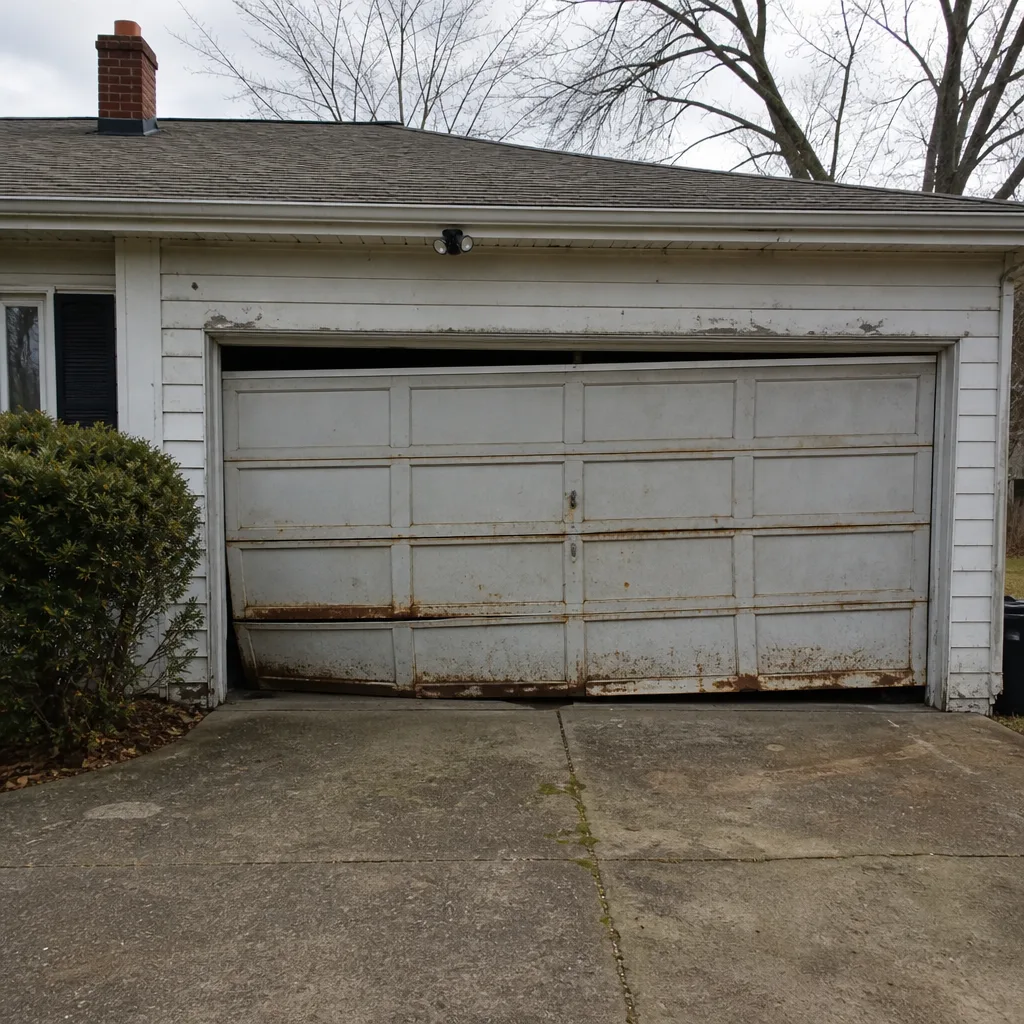
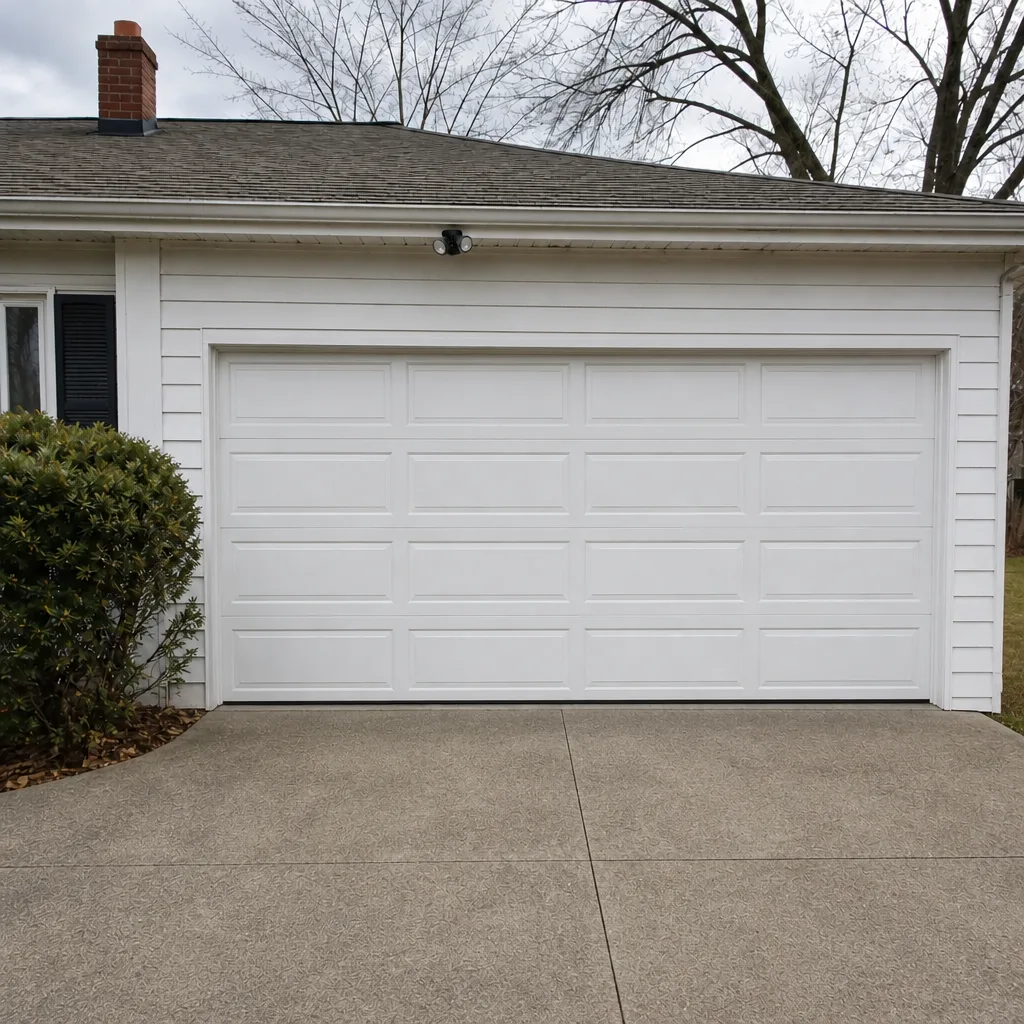
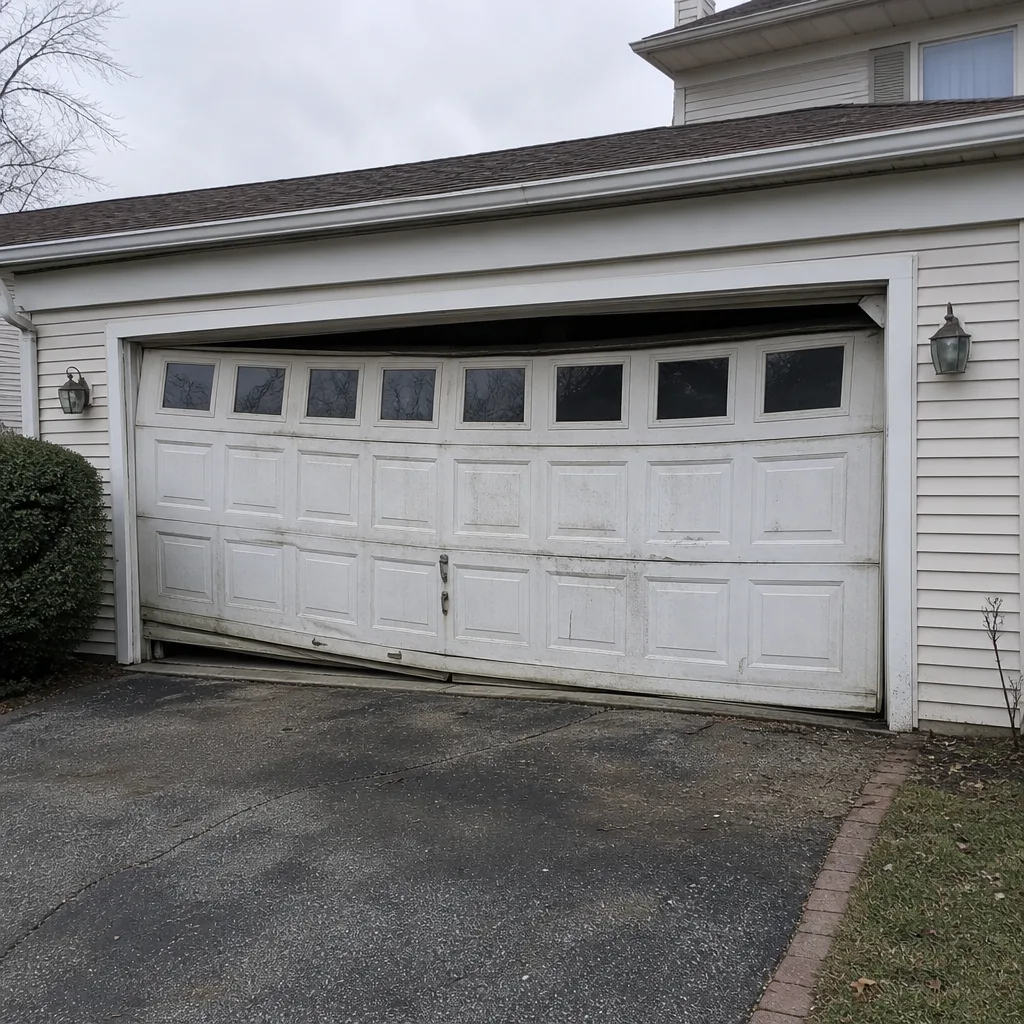
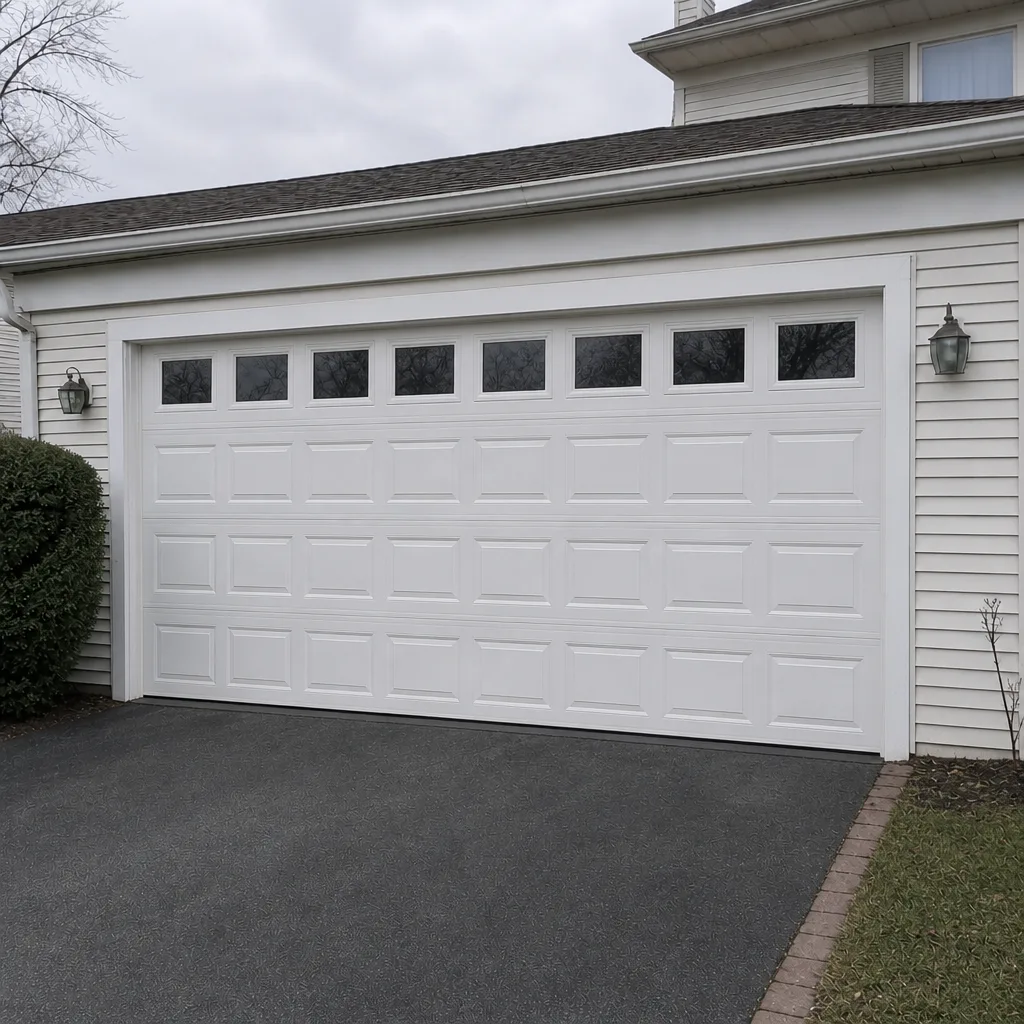
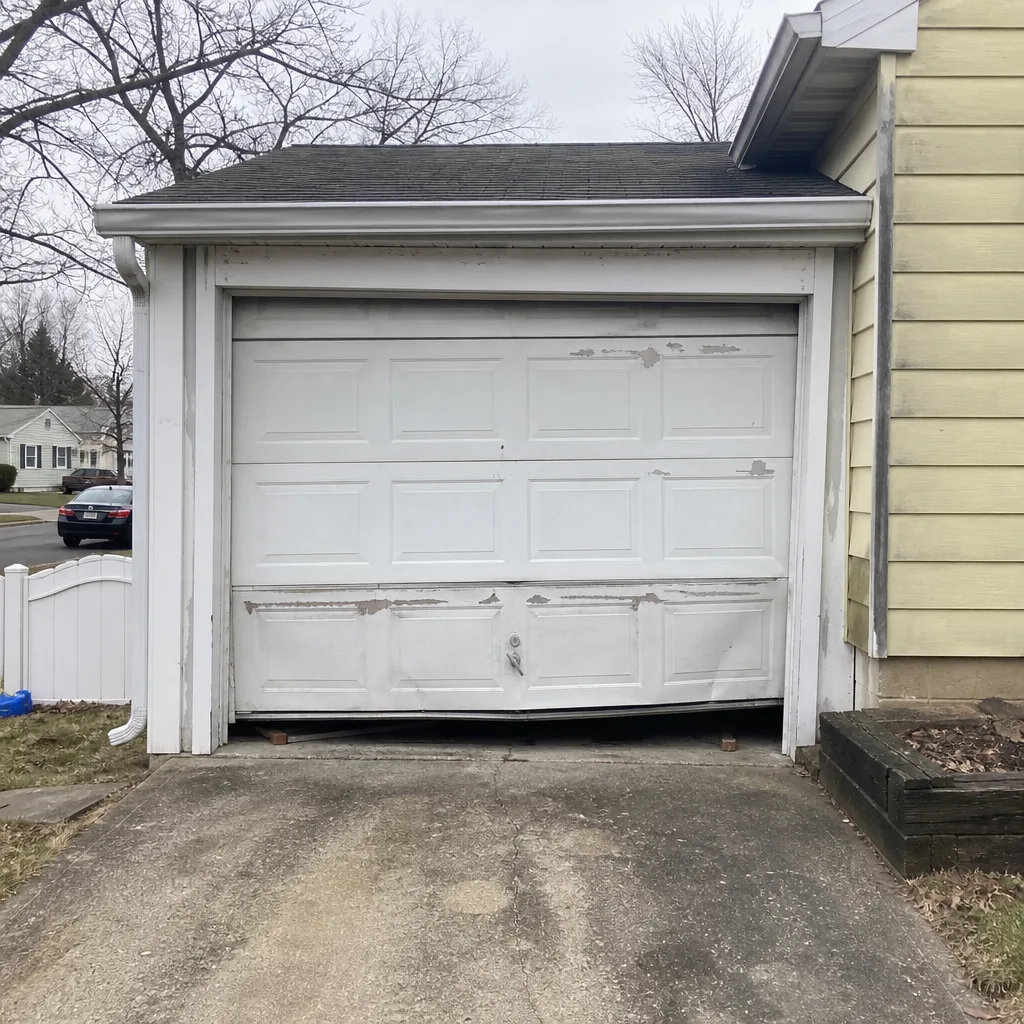
See the difference
 Before
 After
 Before
 After
 Before
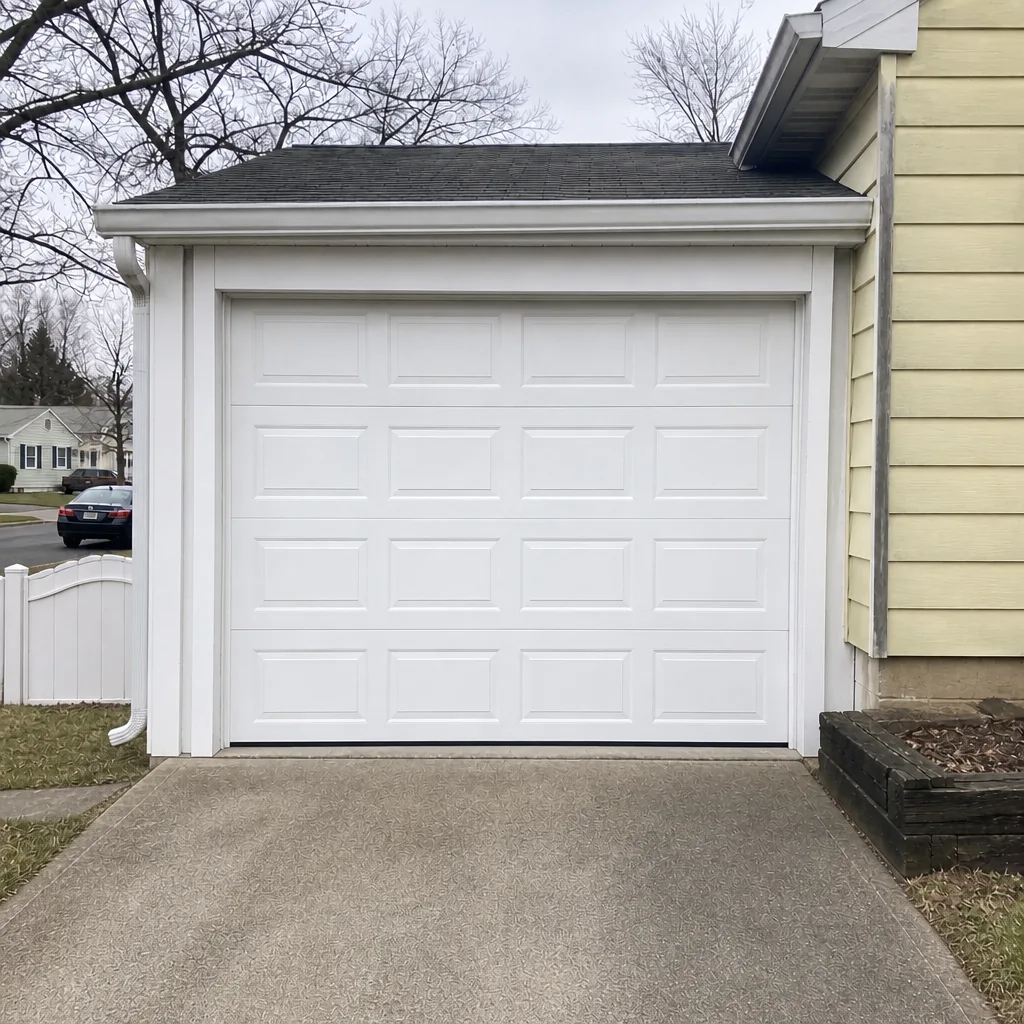 After
When to Call a Professional
Call us when the door won’t move after you’ve checked the wall button, the photo-eyes, and the breaker. Call us if the door feels unusually heavy when you disengage the opener. Call us if you hear a bang from the garage, if a cable is hanging loose, or if the door has gone crooked in the tracks. All of those mean high-tension hardware is involved, and that’s not a homeowner fix. Call us if the door is stuck open and you can’t get it closed safely. Call us if your opener hums but the door doesn’t move, or if it runs and stops without a clear reason.
Edison Garage Door Service offers free estimates in Edison. Call (877) 471-0219. We answer 24/7. Fast dispatch from 7am to 7pm, Sunday through Friday, and Saturday we’re closed. If a door fails on a Saturday, call and we’ll book you for Sunday.
Brand-Specific Notes: What Fails on Which Systems
Different brands fail in different ways, and knowing what to expect helps you describe what’s happening when you call. This is one of the reasons we only encourage brand-specific service: a technician who works with your brand regularly knows the failure patterns.
- LiftMaster and Chamberlain. These two share a lot of internal architecture. Common issues after storms are control-board failures and photo-eye misalignment. The release behaves predictably: straight pull, door closed, and you’re free.
- Craftsman. Older Craftsman units are still common in Edison garages. The trolley on these is often the weak point. If the release is stiff, don’t force it; older trolleys can seize on the rail.
- Wayne Dalton. The door hardware tends to hold up, but TorqueMaster-style spring systems are common in newer builds, and the release procedure is the same, but the spring access is different. If you’re not sure what you have, that’s a call-in question, not a guess.
- Raynor. Raynor doors are often heavier panel profiles. The manual release works the same, but expect the door to feel heavier to lift by hand, and stay aware of that against any spring weakness.
Whether you have a LiftMaster, a Craftsman, a Wayne Dalton, or a Raynor, we work on the brand that’s already in your garage. No pressure to replace the whole system because a technician doesn’t recognize it. We cover the full range of Edison homes, and we’ve worked with every one of the eight major brands we service: LiftMaster, Chamberlain, Genie, Clopay, Amarr, Wayne Dalton, Craftsman, and Raynor.
Frequently Asked Questions
Try the wall button, check the photo-eyes for debris or misalignment, and check the breaker. If those don’t work, and the door is fully closed, pull the manual release cord straight down and lift the door by hand. If the door is stuck open or feels unusually heavy, secure the space and call (877) 471-0219. We answer 24/7. Fast dispatch from 7am to 7pm.
Yes, same-day service is available for repair calls in most cases. Call (877) 471-0219 and we’ll find the earliest opening. Fast dispatch runs 7am to 7pm, Sunday through Friday. We’re closed on Saturday, and Saturday calls are booked for Sunday. Estimates are free and the price is set by the written estimate before any work starts.
It’s safe when the door is fully closed and the opener is disengaged correctly for your drive type. It’s dangerous when the door is up, because the door can drop. Pull straight down, then lift the door slowly. If it feels very heavy, stop: your springs may have failed, and lifting further can damage the door or hurt you.
Lower the door manually if you can. Disengage the opener, lower the door slowly by hand, and re-engage the trolley. If the door won’t close, clamp locking pliers against the vertical track just above a roller on both sides, move valuables inside, and park a vehicle across the opening if possible. Get a technician out the next morning.
Yes, if you use the manual release. The motor won’t run without power, but the door is still a door. Disengage the opener with the door closed, lift by hand, drive out, close and re-engage. If the power is out and you’re home, keep a charged phone and your opener’s brand and model handy for when you call.
It depends on what failed, so the price is set per job by the written estimate. Springs, cables, openers, and panel damage are different repairs with different parts. We quote the price before any work begins, and the estimate is free. Call (877) 471-0219 for an exact quote.
The Bottom Line
An Edison garage door emergency is usually decided by what you knew before the door failed. Check the small things first: breaker, photo-eyes, remote battery. Pull the release only with the door all the way down. Know whether you have a belt, chain, or screw drive, because the pull is different. Secure an open door with locking pliers and common sense, not rope and straps. Keep a card in the garage with your opener’s brand and model, the location of the release, and our number. Do the storm checklist before the forecast. And when the failure involves springs or cables, stop and call. We work on your brand, door, opener, and install, and we’ll tell you what actually needs to happen. Call (877) 471-0219 for a free estimate. We answer 24/7. Fast dispatch from 7am to 7pm, Sunday through Friday.
Written by the team at Edison Garage Door Service.