
Last updated November 15, 2026
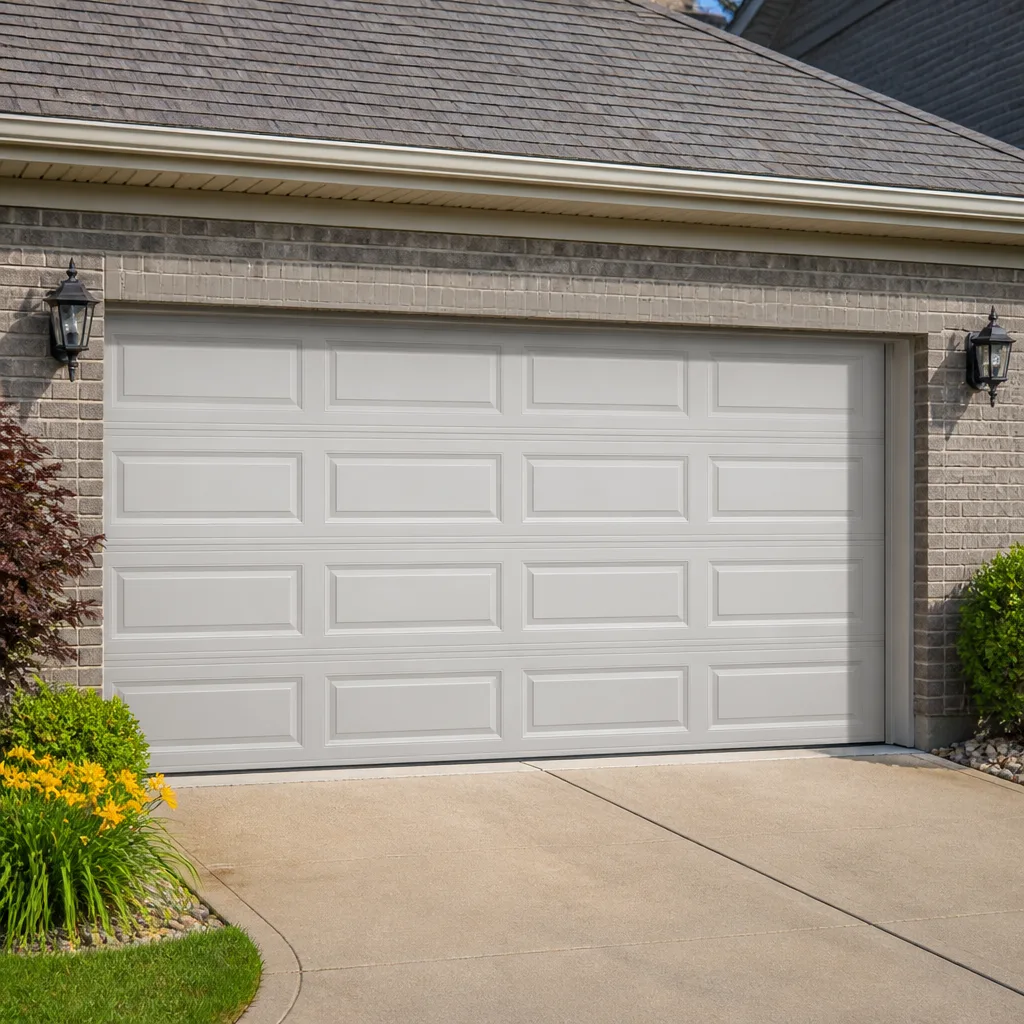 Raised-panel steel
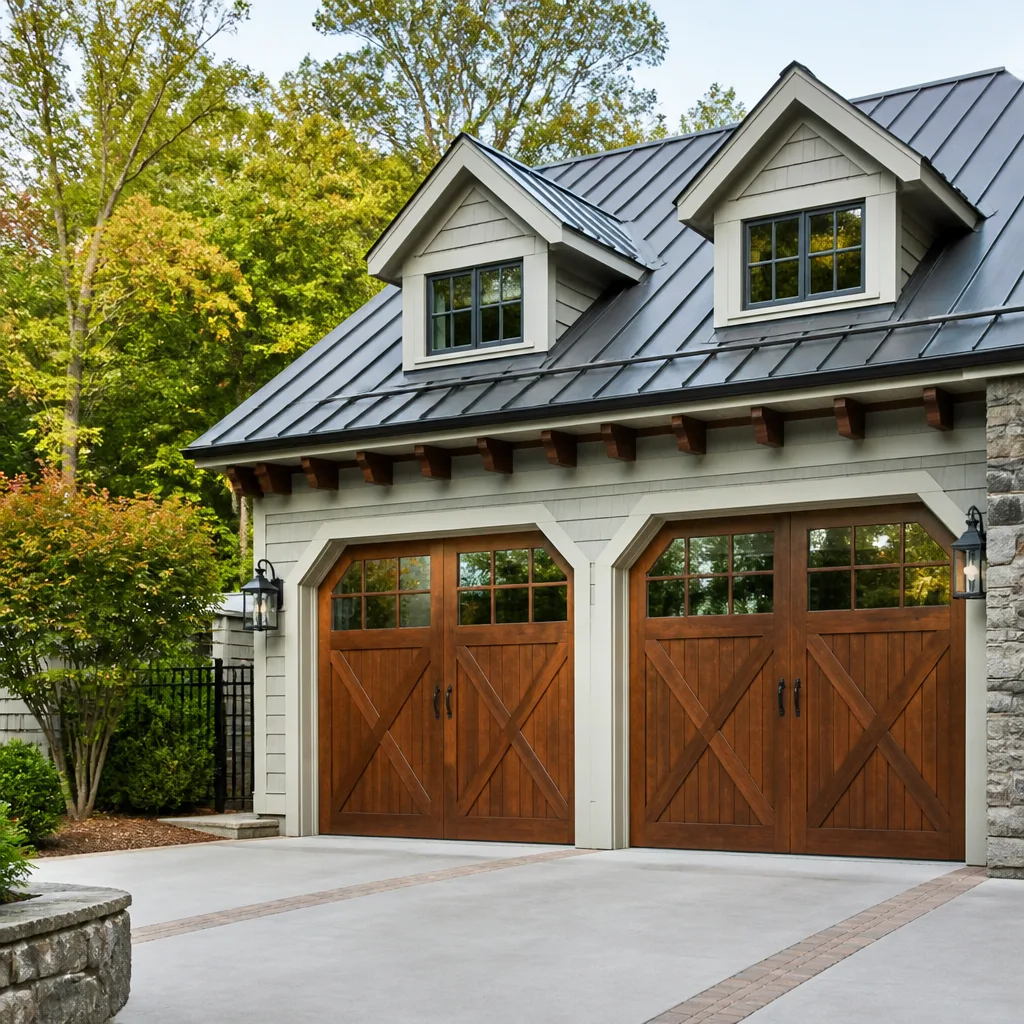 Carriage house
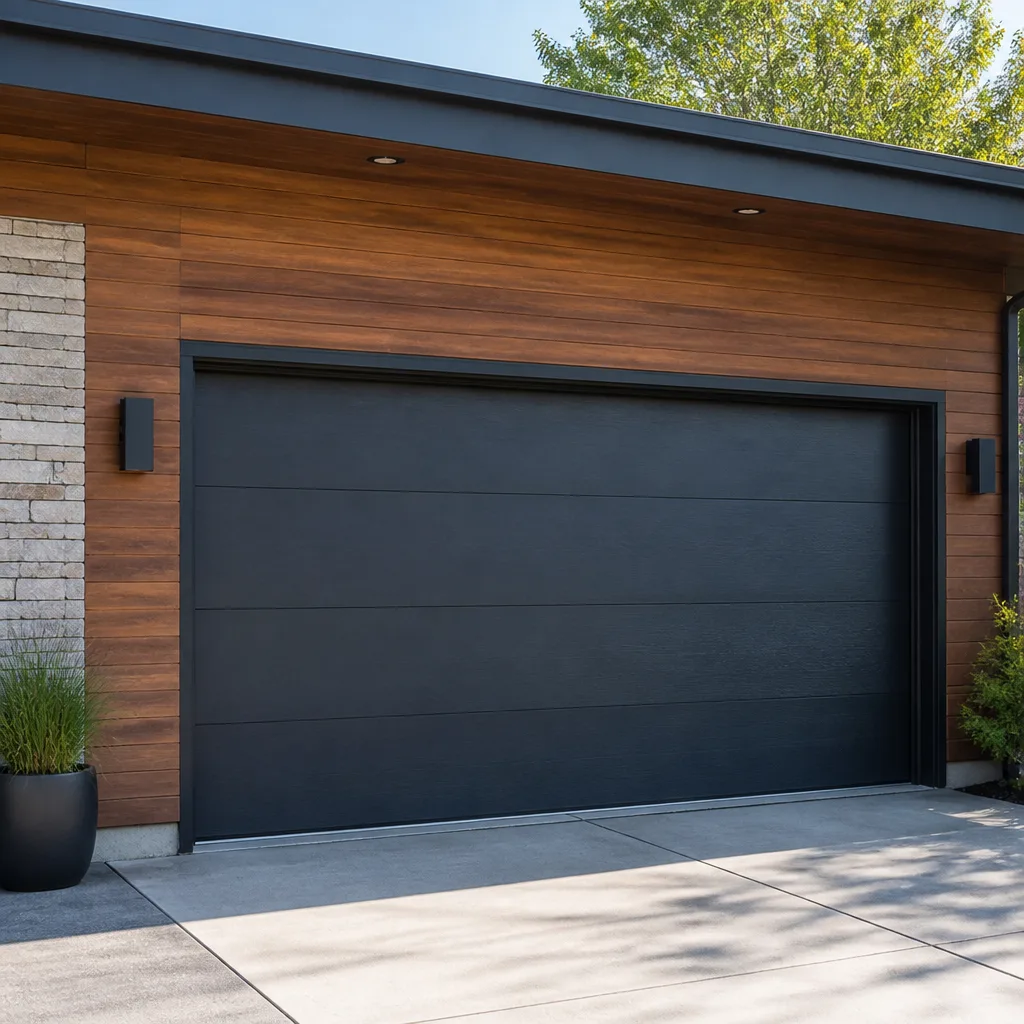 Modern flush
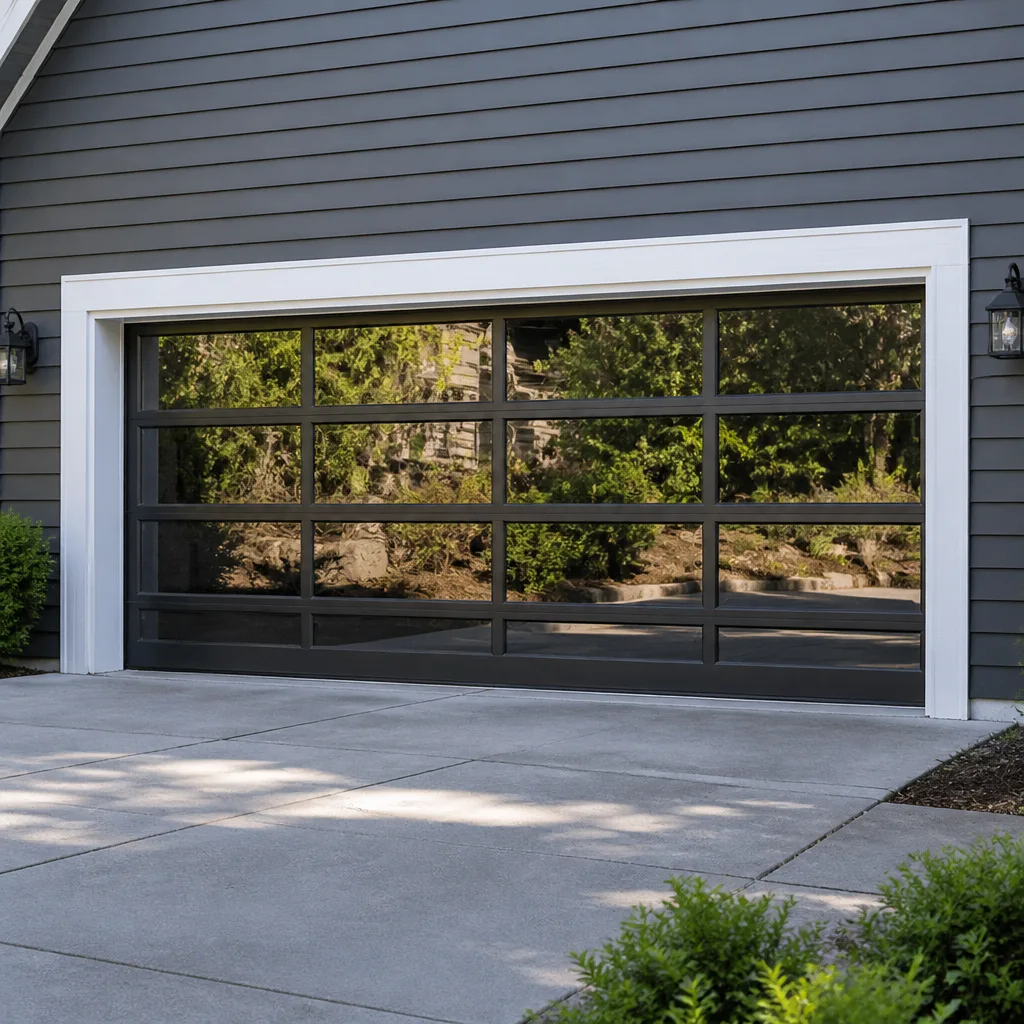 Full-view glass
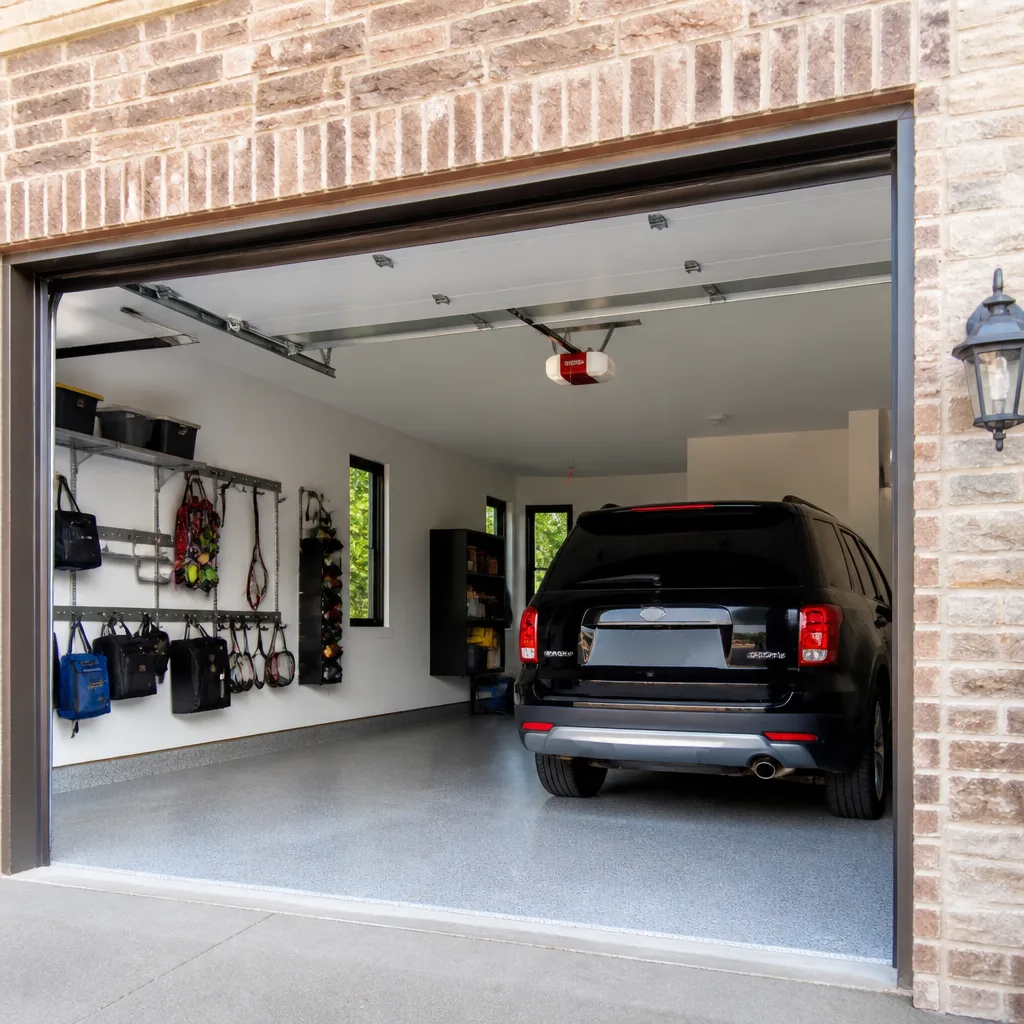 LiftMaster openers
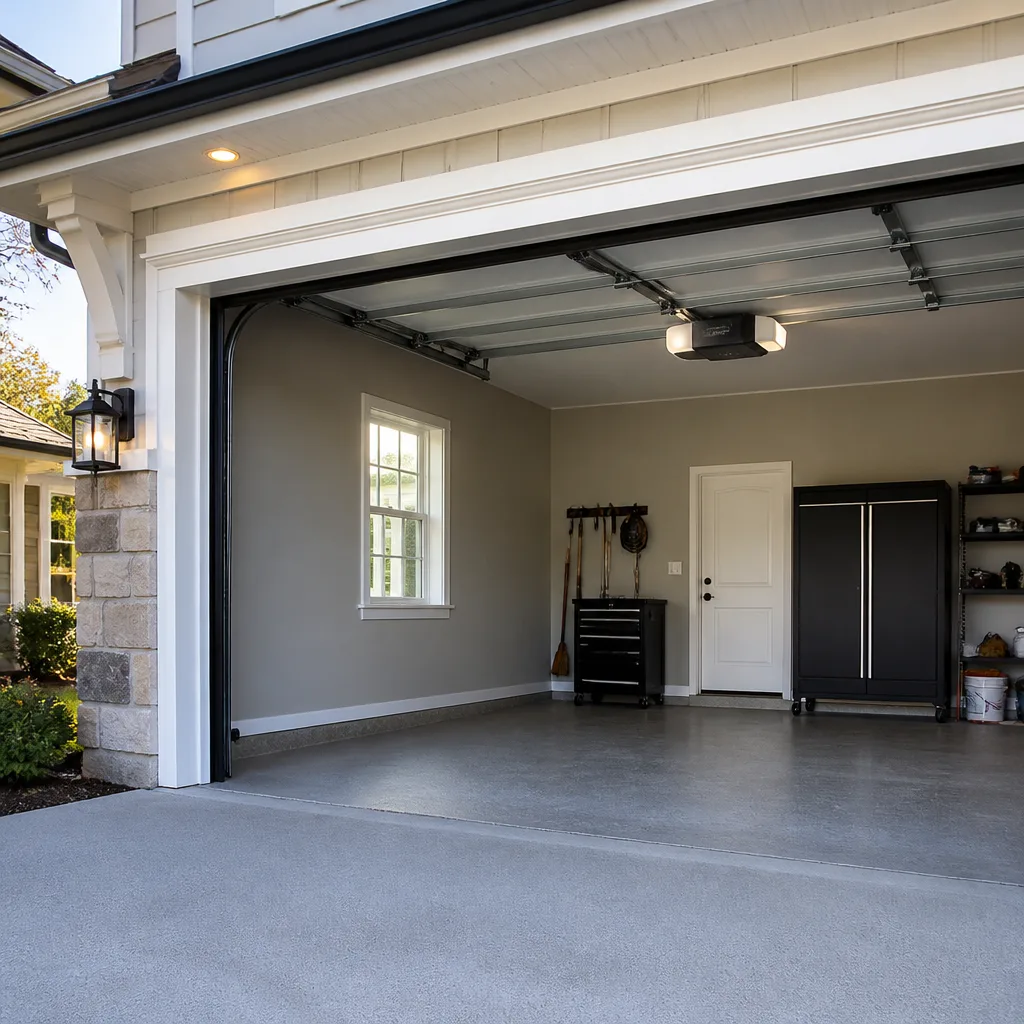 Chamberlain openers
Full 25-point door and opener safety check with every visit - springs, cables, rollers, tracks, and your LiftMaster or Chamberlain opener included
You get a price before we start. It does not change when the pro arrives.
Get your free estimateChoosing the Right Garage Door Brand: A Buyer’s Guide for Edison
Most Edison homeowners shop for a garage door the way they’d shop for a refrigerator: pick a color, compare two prices, done. The part that rarely makes it onto the spec sheet is the one that decides how the next ten years actually go. We’re talking about whether the brand you choose has a service network and a parts pipeline that reach central New Jersey, and whether the opener bolted to your ceiling is one a local technician can diagnose without guessing. Throughout this guide we’ll walk through the door brands, the opener brands, and the questions that separate a smart buy from an orphaned one.
Quick Answer
For most Edison homes, the right garage door brand balances three things: panel availability in the New Jersey climate, insulation performance against humid summers and cold winters, and a national manufacturer with a local service footprint you can actually reach. Clopay, Amarr, and Wayne Dalton each hold up well when matched to the right model line, and pairing the door with an opener from the same manufacturer ecosystem makes warranty work and diagnostics simpler. The brand matters less than the combination of parts availability and a technician who already knows the equipment.
Styles & brands we work with
- Raised-panel steel
- Carriage house
- Modern flush
- Full-view glass
- LiftMaster openers
- Chamberlain openers
Table of Contents
- How the major door brands compare in Edison’s climate
- Opener brands: where certification and parts availability split the field
- Why matching door and opener from one ecosystem saves headaches
- How to evaluate a brand’s local service network in Middlesex County
- The questions to ask about discontinued product lines
- The five criteria that should drive every brand decision
- Common mistakes to avoid
- Frequently asked questions
How the Major Door Brands Compare in Edison’s Climate
Edison sits in a stretch of Middlesex County that swings hard between seasons. Summer humidity pushes into every crevice of a garage, and winter cold contracts steel panels and stresses the weatherstripping at the base. A door that shines in a dry climate can look tired in five years here if the finish and the track hardware aren’t built for the moisture cycling. That’s the lens we use when a customer asks which door brand is “best.”
Here’s how the four brands we install and service most often stack up on the criteria that actually matter locally:
- Clopay – Broad model range from builder-grade steel to insulated carriage-house styles. The steel lines use galvanized substrates that resist the humidity cycling well, and panel replaceability is generally straightforward because Clopay distributes through a wide dealer network. The mid-tier insulated lines handle Edison’s summers better than economy models, and the higher R-value options make a real difference on a garage that shares a wall with a living space.
- Amarr – Strong on insulation performance in the mid-range, with polyurethane-injected panels that hold their R-value across temperature swings. Amarr’s finish warranties are competitive, and the hardware is heavy-duty enough to survive the seasonal expansion and contraction that loosens cheap hinges. Panel availability through Amarr’s dealer program is solid, though we always confirm the specific model line is still active.
- Wayne Dalton – A workhorse brand with a wide installed base across central New Jersey. The Classic Steel and Thermaguard lines are common enough that we see their failure modes often and know how they age. Replacement panels tend to be available because the brand is widely distributed. The economy lines trade some insulation for price, which shows up in a garage that gets hot in July.
- Therma-Tru – Best known for entry doors, but the company’s garage door lines lean toward aesthetic styling and carriage-house looks. If matching the front door’s finish and architectural character is a priority, Therma-Tru deserves a look. Confirm before ordering that the specific panel you want is in production and that replacement panels will be available down the road.
What separates these brands from a no-name import isn’t the steel gauge alone. It’s whether the manufacturer keeps a distribution channel and a dealer program that reach Middlesex County, and whether the model you’re buying will still have panels available in year eight. A door with a beautiful design and no local parts pipeline becomes a problem the first time a driver backs into a lower panel.
Opener Brands: Where Certification and Parts Availability Split the Field
Openers are where brand choice goes wrong more often than doors. A homeowner buys a well-reviewed opener online, has it installed, and then discovers six months later that the local technician who can actually diagnose a firmware quirk in that model is hard to find. The smart-home features that make an opener attractive at purchase are often the same features that narrow who can service it.
We work on four opener brands day in and day out. Here’s the honest comparison:
- LiftMaster – The brand most professional installers in the region carry and service. The MyQ ecosystem is mature, parts are stocked through a wide distribution network, and most local technicians know the lineup well enough to diagnose on the first visit. Belt-drive models are quiet enough for a bedroom above the garage, and the warranty support is strong. The tradeoff is price, especially on the smart-home models.
- Chamberlain – Same corporate family as LiftMaster, often sold at retail, and mechanically similar in many product lines. That shared engineering means a technician who knows Chamberlain usually knows LiftMaster and vice versa. The upside is availability and affordability. The catch is that some retail models are budget variants with lighter-duty gear and fewer service parts available as individual components, so replacement rather than repair becomes the recommendation sooner.
- Genie – Reliable workhorse openers with a long history in American garages, and parts are widely available. The smart-home app connectivity has improved, though it hasn’t always matched the stability of the MyQ ecosystem. Genie’s quieter belt-drive lines are a reasonable choice, and the brand is common enough locally that service access isn’t a problem.
- Craftsman – The brand most often installed by homeowners themselves or by builder crews, and frequently found in Edison homes that have been standing for a while. Many Craftsman units share components with Chamberlain-made designs, which helps. The complication is model age; some Craftsman openers still running in local garages are at the point where a logic board or a safety-sensor part is scarce, and the honest recommendation shifts from repair to replacement.
The pattern is the same for every brand: the question isn’t whether the opener works on day one. It’s whether the brand has a certification network and a parts channel that reach your part of Middlesex County. When a homeowner calls about a garage door opener repair, the first thing we want to know is the brand and model. That tells us what’s likely wrong, what parts might be on the shelf, and what the realistic timeline looks like.
Why Matching Door and Opener From One Ecosystem Saves Headaches
You don’t have to buy the door and the opener from the same manufacturer. Plenty of well-functioning systems pair a Clopay door with a LiftMaster opener or an Amarr door with a Genie drive, and there’s nothing wrong with that. But there’s a real argument for keeping the two in the same corporate family, and it comes down to warranty administration and diagnostic clarity.
When the door and the opener come from the same ecosystem, a warranty claim that touches both parts of the system is simpler to file. If a safety sensor issue turns out to be tied to how the door balance interacts with the opener’s safety reverse, having one manufacturer to call is cleaner than getting bounced between two. The same logic applies to diagnosis. A technician who knows both brands already understands how that ecosystem expects the safety reverse, the force settings, and the travel limits to behave together.
Here’s how to think through the pairing decision:
- Identify the door brand you want for insulation, finish, and panel availability. This is the biggest investment and the longest-lived part of the system, so it should drive the choice.
- Note the opener brand ecosystem the door manufacturer aligns with, if any. Clopay and LiftMaster are corporate siblings under the same parent, which makes pairing simple. Amarr and Wayne Dalton pair with most major openers without issue.
- Check whether the opener brand you’re considering has a local service network and whether your chosen technician works on it.
- Confirm the smart-home integration you want (MyQ, Aladdin Connect, Genie’s app) is available on the opener model, not just the brand.
- Ask, before ordering, which manufacturer covers which component under warranty and for how long.
We sell and install from the same brand roster we repair, so when we recommend a pairing it’s based on how those products actually hold up in the field. The right fix, not the easiest upsell, means we’ll tell you when a cheaper pairing will serve you just as well, and when it won’t.
How to Evaluate a Brand’s Local Service Network in Middlesex County
A brand’s national reputation is worth less than its local reach. A manufacturer whose name is on billboards across the country may have only a thin dealer network in central New Jersey, which means every warranty claim or panel replacement waits on a shipment from three states away. That’s the trap to avoid, and the way around it is to ask local questions before you sign an order.
Start by asking whether the specific brand and model you’re considering is stocked or serviced locally, not just nationally. Then ask which local technicians are certified to work on it. Then ask what happens when a common part fails. If the answer to any of these is “we can order it,” ask how long that usually takes and where it ships from. A brand that requires a cross-country shipment for a hinge or a spring is a brand that will leave you waiting with a non-working door.
It’s also worth asking which nearby Edison neighborhoods the service tech actually covers. A company that regularly works in a community has seen the housing stock there, knows the typical door sizes and opener installations, and can anticipate what’s failing. That local familiarity shortens the diagnosis time.
Watch for three signals of a strong local network:
- The brand is common enough that technicians see it regularly and can diagnose without the manual open.
- Parts for common failures (springs, hinges, rollers, safety sensors, logic boards) are available from a supplier within reach.
- At least one local service company has the brand on its roster of routinely serviced equipment, not just on its sales sheet.
We work on eight major brands: LiftMaster, Chamberlain, Genie, Clopay, Amarr, Wayne Dalton, Craftsman, and Raynor. That roster reflects the brands most likely to be found in Edison garages and most likely to have parts available when something fails. Our technicians have up to 9 years of experience, and a big part of that experience is knowing each brand’s failure patterns by sight.
The Questions to Ask About Discontinued Product Lines
A great door becomes a liability in year eight if its parts have been discontinued and its model line has been replaced. This happens more often than homeowners expect, and it’s the single most overlooked risk in door and opener purchases. The fix is simpler than the risk: ask about the product line’s lifecycle before you buy.
Here’s the set of questions we’d insist on if we were the ones buying:
- Is this model line currently in production? “Currently in production” is not the same as “available to order from leftover dealer stock.” Ask the difference.
- Has this model line been replaced by a newer version? If so, are the two versions panel-compatible? Some manufacturers make legacy panels available; others don’t.
- What is the manufacturer’s stated support window? Most brands keep panels and major parts available for a defined number of years after a model is discontinued, but the window varies, and it’s worth confirming in writing.
- Are individual panels available for a mid-line model, or only for premium tiers? Some builders only stock replacement panels for their higher-end lines.
- What’s the parts-availability record for the previous generation of this model? A brand that orphaned its last line quickly is likely to do it again.
- Which components are proprietary? A door with a proprietary hinge or roller design means you’re buying from that brand for as long as you own it.
- If a panel is discontinued, can a similar-profile panel be substituted, or does the whole door need to be replaced? You want the substitute option.
Brands that maintain their lines consistently tend to have better answers to all seven. Clopay and Amarr are both relatively strong on long-run availability of replacement panels for their mainstream lines. Wayne Dalton’s wide distribution means replacement parts for popular models tend to stay in the pipeline longer. Craftsman openers, in contrast, are worth scrutinizing model by model, because the brand has changed hands and some older product lines have thinner parts support.
When the parts are hard to source, our recommendation shifts to a garage door repair that restores function with what’s available, or to a replacement estimate if the model is truly at the end of its serviceable life. We’ll tell you which way we lean and why.
The Five Criteria That Should Drive Every Brand Decision
When you strip away the marketing, five factors decide whether a brand will serve an Edison homeowner well. These are the criteria we apply whether we’re diagnosing a broken opener or quoting a new door.
- Parts availability in central Jersey. The best door in the world is only as good as the availability of its springs, hinges, rollers, rollers, tracks, and panels when something fails. Confirm the brand has a distribution channel that reaches Middlesex County and a supplier that stocks common failure parts.
- Insulation performance against local weather. Edison summers push humidity into the garage and winters pull heat from any attached living space above it. Look at the actual R-value on the panel, and the construction of the insulation (polyurethane-injected panels outperform polystyrene when it comes to holding their rating).
- Corrosion resistance of the finish and hardware. Seasonal temperature swings move steel and open microscopic gaps in a finish. Galvanized substrates and powder-coated finishes handle that better than painted steel, especially in the wetter stretches of the year.
- Panel replaceability. Ask whether you can replace a single lower panel without replacing the whole door. Some lines allow it; some don’t. This is the single highest-leverage question for a long-term purchase.
- Local technician coverage and certification. A brand that only a handful of area technicians are certified on is a brand with a vulnerability, especially at the worst possible time. This matters most for openers, where the smart diagnostics can be model-specific.
Brand name is not one of the five. Two doors with the same nameplate can perform very differently depending on which model line you buy, so make the decision by model, not by brand. When you call for a free estimate, we’ll talk through which model actually fits your garage, not just which brand name looks good on paper.
Common Mistakes to Avoid
- Buying on the brand name alone. Two doors from the same manufacturer can share a logo but not a parts pipeline or an insulation spec. Compare the specific model line against the five criteria above before you commit.
- Picking an opener brand without a local service network. The most expensive mistake isn’t a cut-rate door. It’s a premium opener whose proprietary parts only two technicians in the county are certified to handle, discovered the first time it fails.
- Skipping the discontinued-product question. A beautiful door can become a liability in year eight if its panels are no longer manufactured. Ask about the product lifecycle before you order.
- Overlooking insulation R-value for an attached garage. If there’s a bedroom or living space above or beside the garage, an uninsulated or lightly insulated door will leak comfort year-round. Look past the brand to the panel spec.
- Mismatching warranty ecosystems. Pairing a door and opener from unrelated manufacturers can double the paperwork the first time a safety reverse or balance issue touches both components. Ask who covers what, in writing.
- Buying strictly on price from a low-volume builder. A door installed by a builder who doesn’t carry that brand locally often has no easy way to source a replacement panel. The savings on day one can become a full-door replacement later.
- Assuming high-tech always means better. Smart-home integration adds real convenience, but some budget smart models sacrifice mechanical durability for app features. Confirm the gear and drive quality match your expected service life.
See the difference
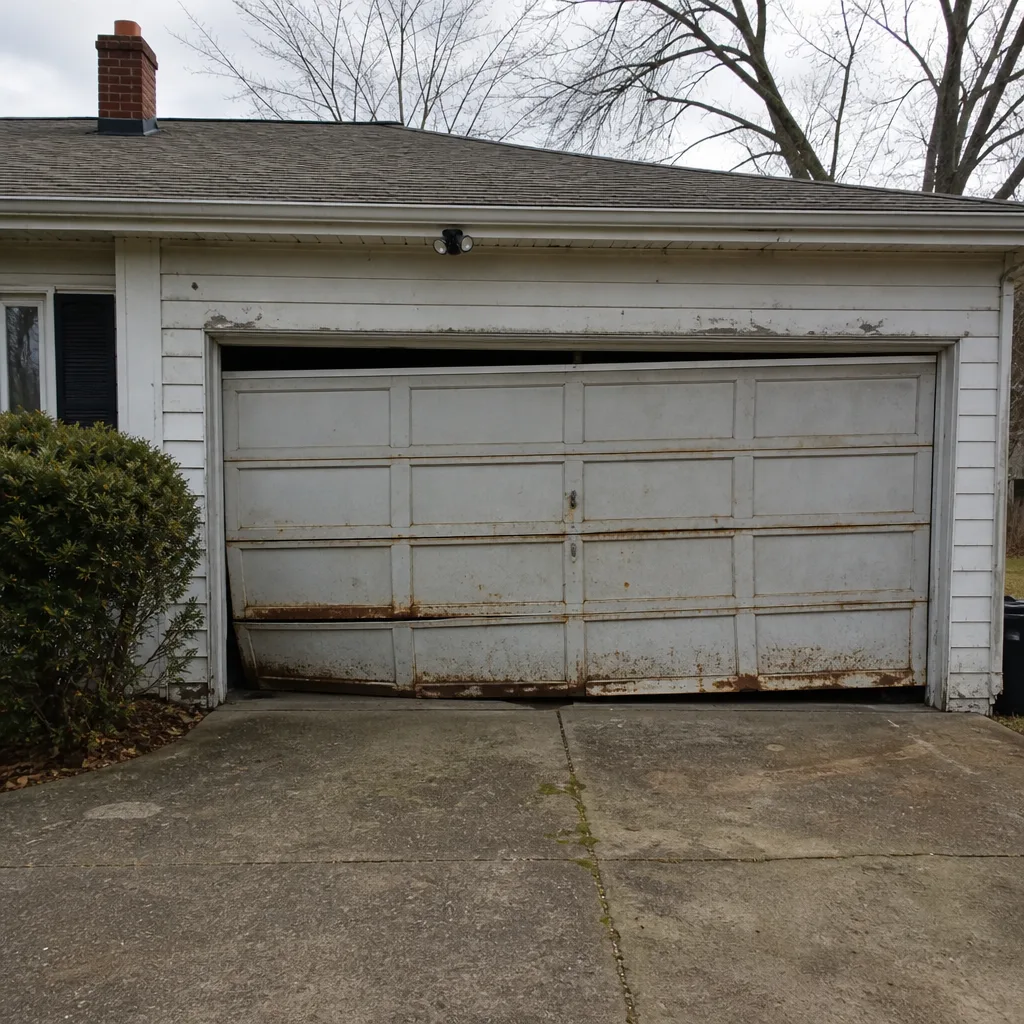 Before
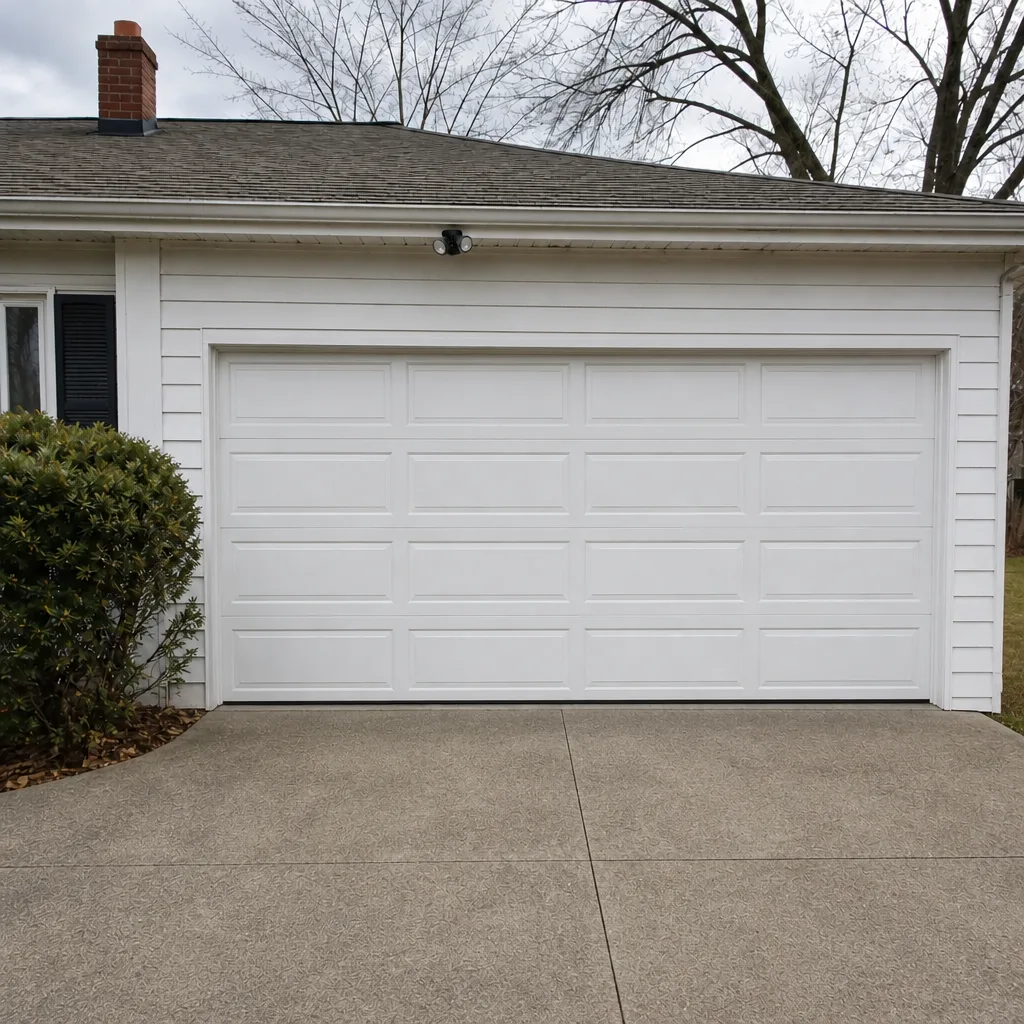 After
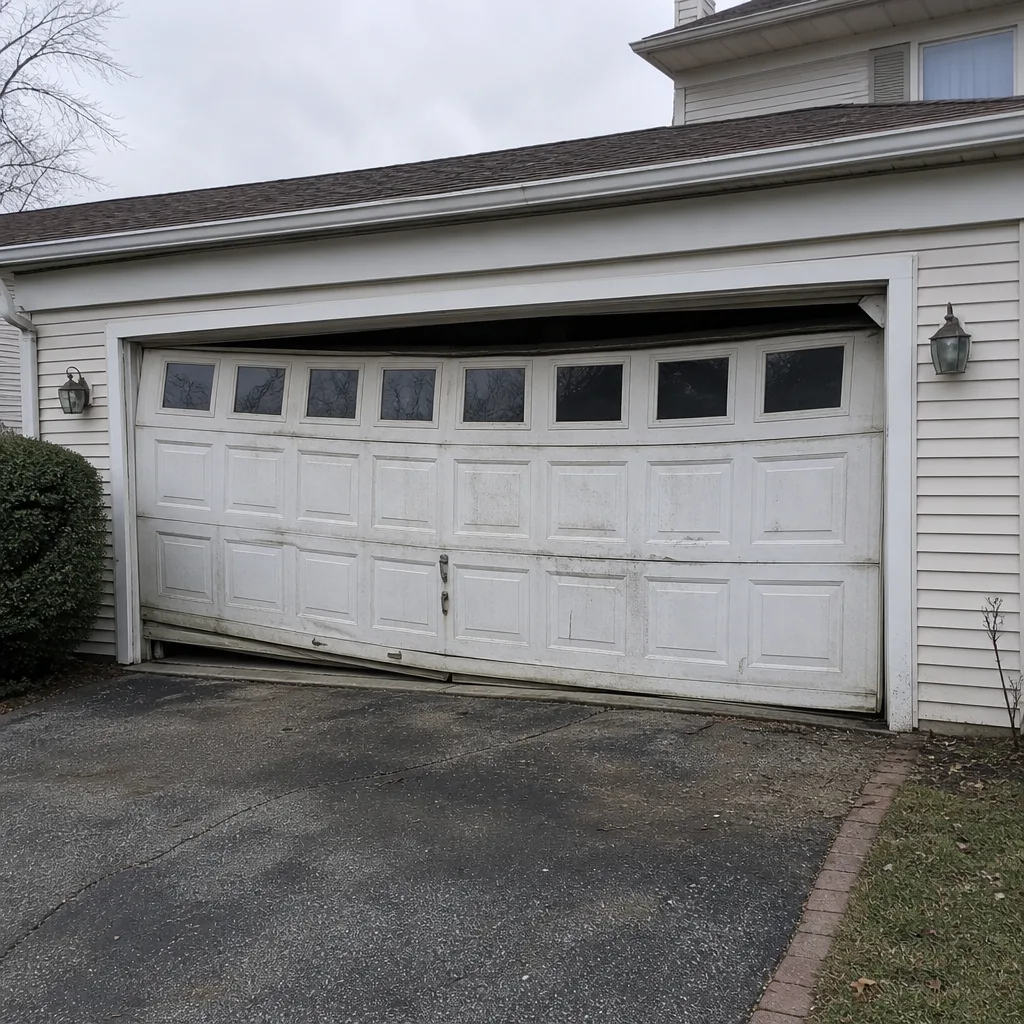 Before
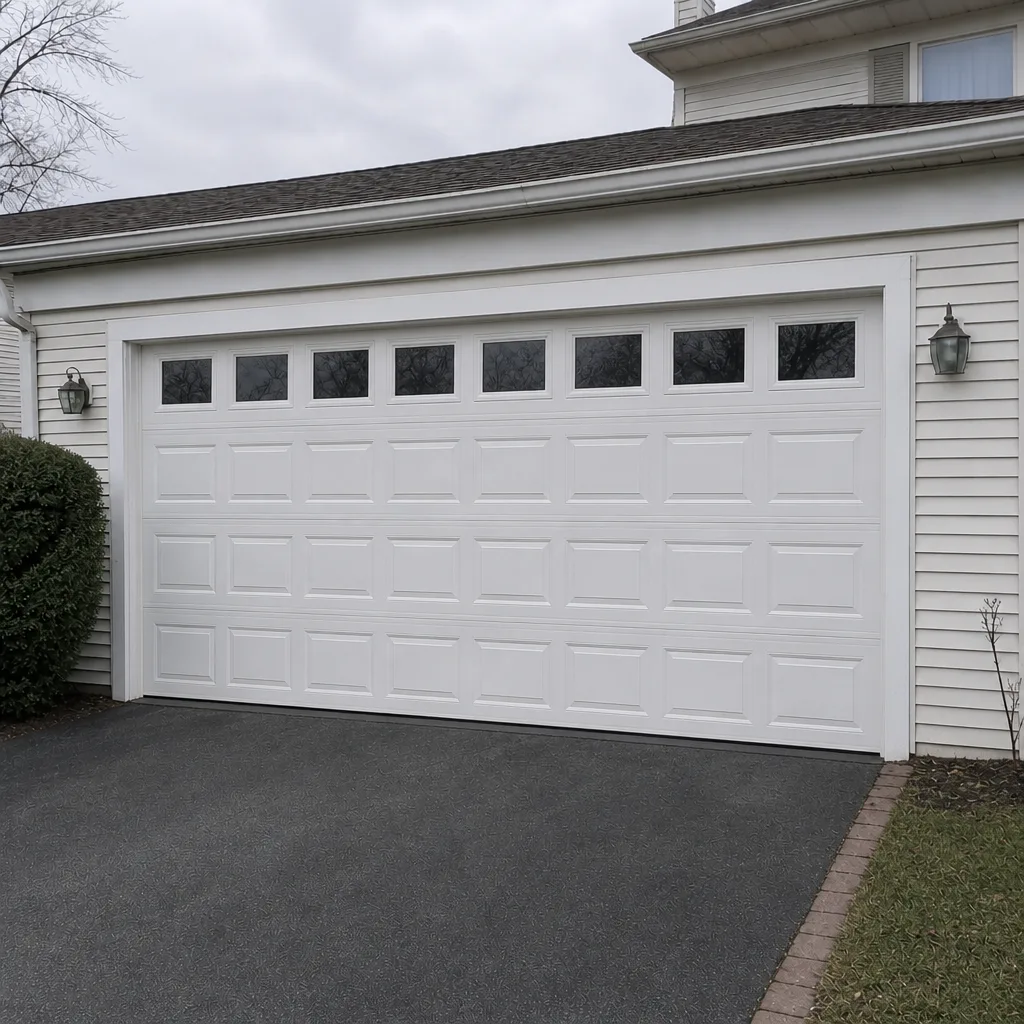 After
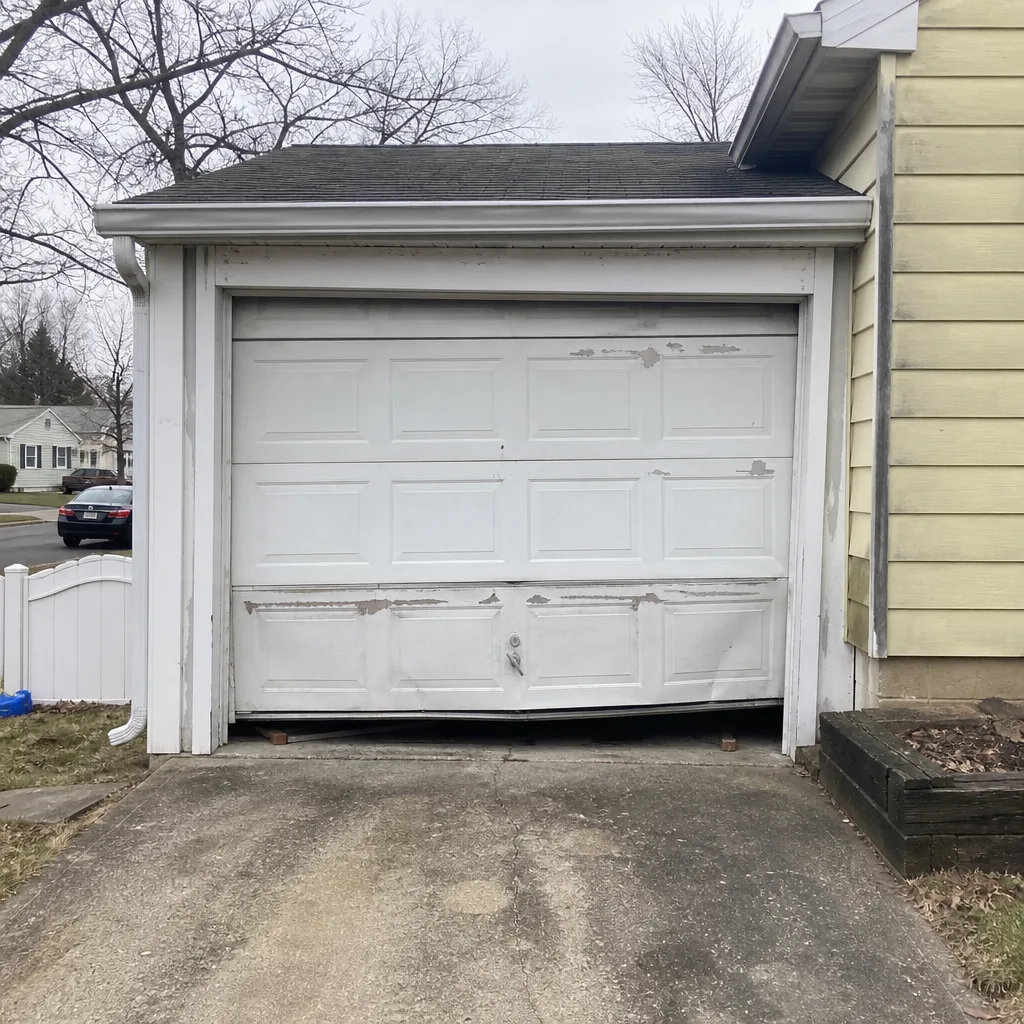 Before
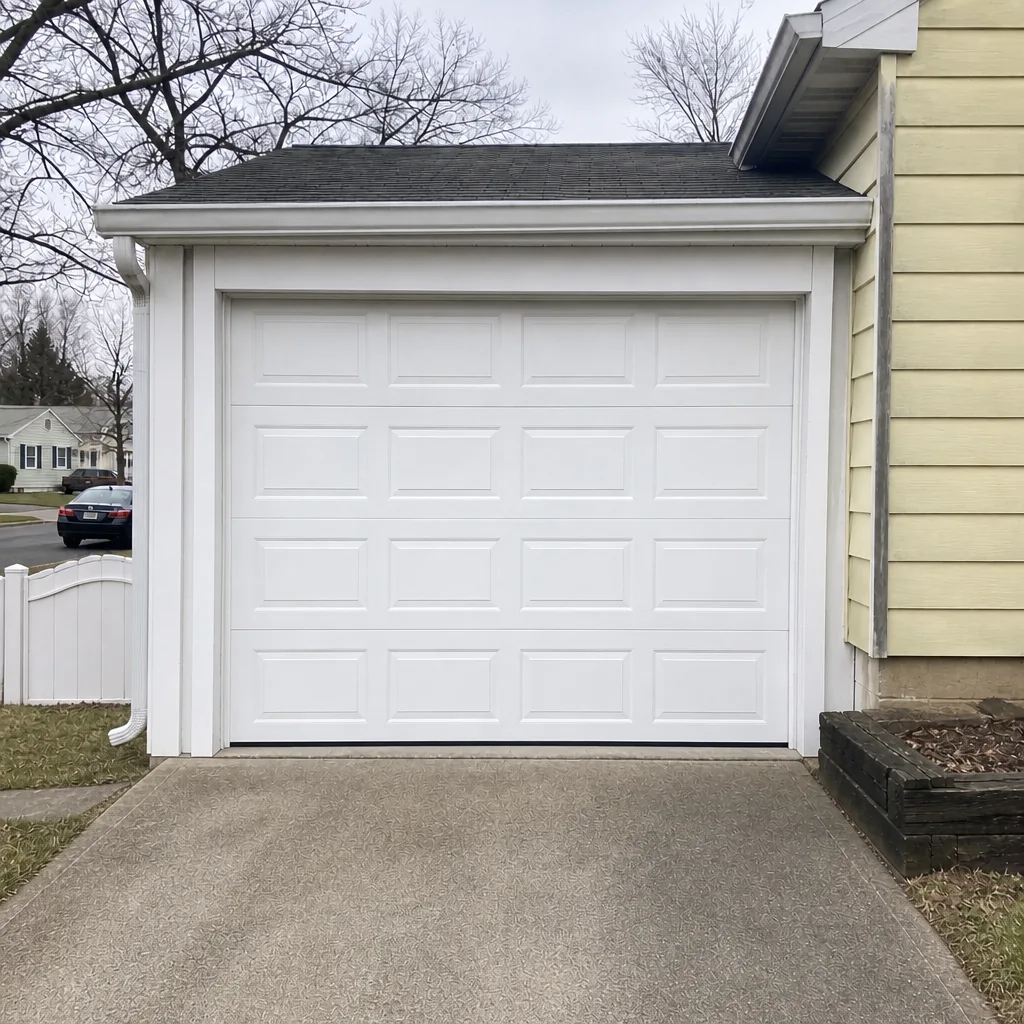 After
When to Call a Professional
Brand research is the easy part. The calls that should go to a technician are the ones involving high-tension springs, torsion cables, opener wiring, or any component under stored mechanical energy. A torsion spring carries enough force to cause serious injury, and a door that comes off its track or loses its balance can drop without warning. Don’t try to adjust spring tension or opener force settings on your own. If your door is off-track, your opener reverses unpredictably, or your spring is visibly broken, that’s a professional diagnosis, not a weekend project.
Edison Garage Door Service offers free estimates in Edison. Call (877) 471-0219. We answer 24/7. Fast dispatch from 7am to 7pm, Sunday through Friday. Whether it’s a brand you already own or a model you’re about to buy, we’ll tell you what the diagnosis is, what the options are, and what the price will be before any work begins.
Frequently Asked Questions
For most Edison homes, Clopay, Amarr, and Wayne Dalton are the strongest choices because they balance insulation performance, panel replaceability, and a local service network. The right pick depends on whether your garage is attached or detached, what insulation you need, and whether the specific model line still has replacement parts available. A free estimate in your garage narrows it down quickly.
LiftMaster and Chamberlain share parts and design, which makes both widely serviceable in central New Jersey. Genie is a strong third with good parts availability. Craftsman is worth checking model by model because some older units have thinner parts support. Call (877) 471-0219 for an opener diagnosis on the brand you already have.
Not necessarily, but matching ecosystems can simplify warranty claims and diagnostics when both parts of the system interact. Clopay and LiftMaster share corporate ownership, so pairing those two is straightforward. Amarr and Wayne Dalton pair cleanly with most major openers. If you’re unsure, ask before ordering.
Ask whether the specific model line is currently in production, what the manufacturer’s parts support window is, and whether individual panels can be replaced for your model tier. A good dealer or installer will confirm this before you buy. Call us and we’ll check availability for you at no charge.
Installation time depends on door size and the opener being installed, not just the brand name. Most single-car doors install in a few hours; a two-car door with a new opener runs longer. The written estimate we provide includes the labor scope so you know what to expect. Call (877) 471-0219 to schedule a measurement.
Yes. Our technicians are experienced on the eight brands we service, including LiftMaster, Chamberlain, Genie, Clopay, Amarr, Wayne Dalton, Craftsman, and Raynor, and we work with your insurer where claims are involved. Call (877) 471-0219 for a free estimate on your garage door or opener.
The Bottom Line
The right garage door brand in Edison is the one whose parts are available, whose finish holds up to the humidity cycling, and whose service network reaches your street. Clopay, Amarr, Wayne Dalton, and Therma-Tru each measure up on the door side; LiftMaster, Chamberlain, Genie, and Craftsman on the opener side. Choose the model, not the name. Ask the discontinued-product questions before you sign. And when the door or the opener acts up, call the technician who already knows your brand and who can diagnose the whole system, not half of it. Door, opener, installation – handled.
Call (877) 471-0219 for a free estimate on your garage door or opener in Edison. We’ll walk through the brand, the model, and the price before any work starts. Edison Garage Door Service is your local garage door team.
Written by the team at Edison Garage Door Service.