
Last updated November 15, 2026
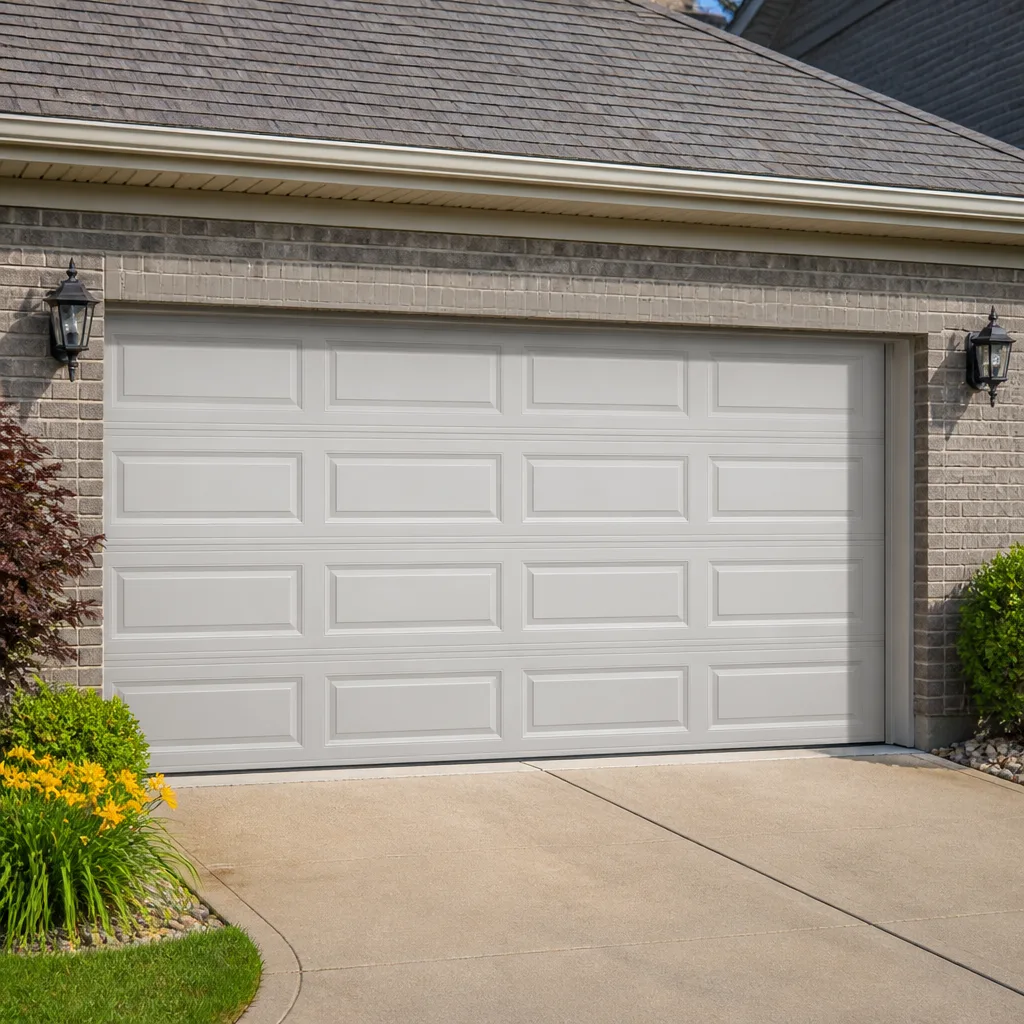 Raised-panel steel
 Carriage house
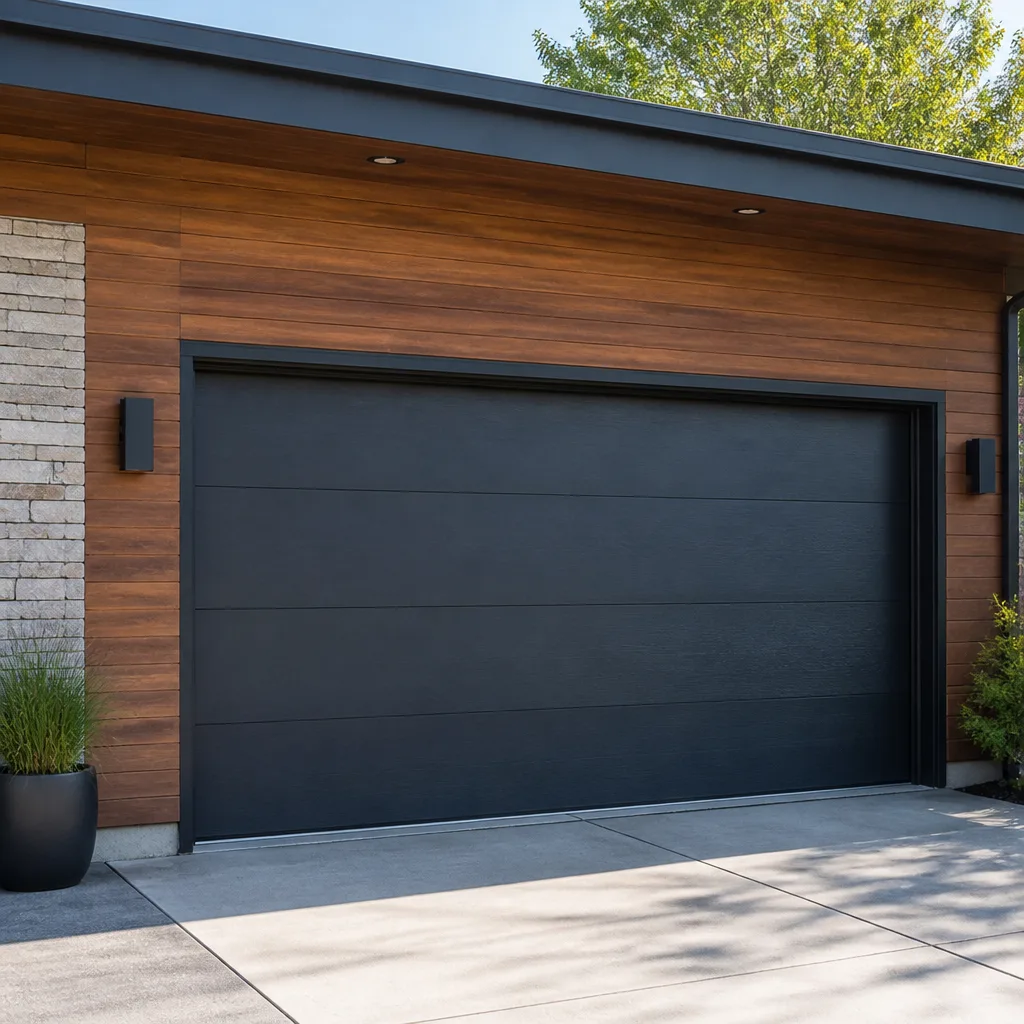 Modern flush
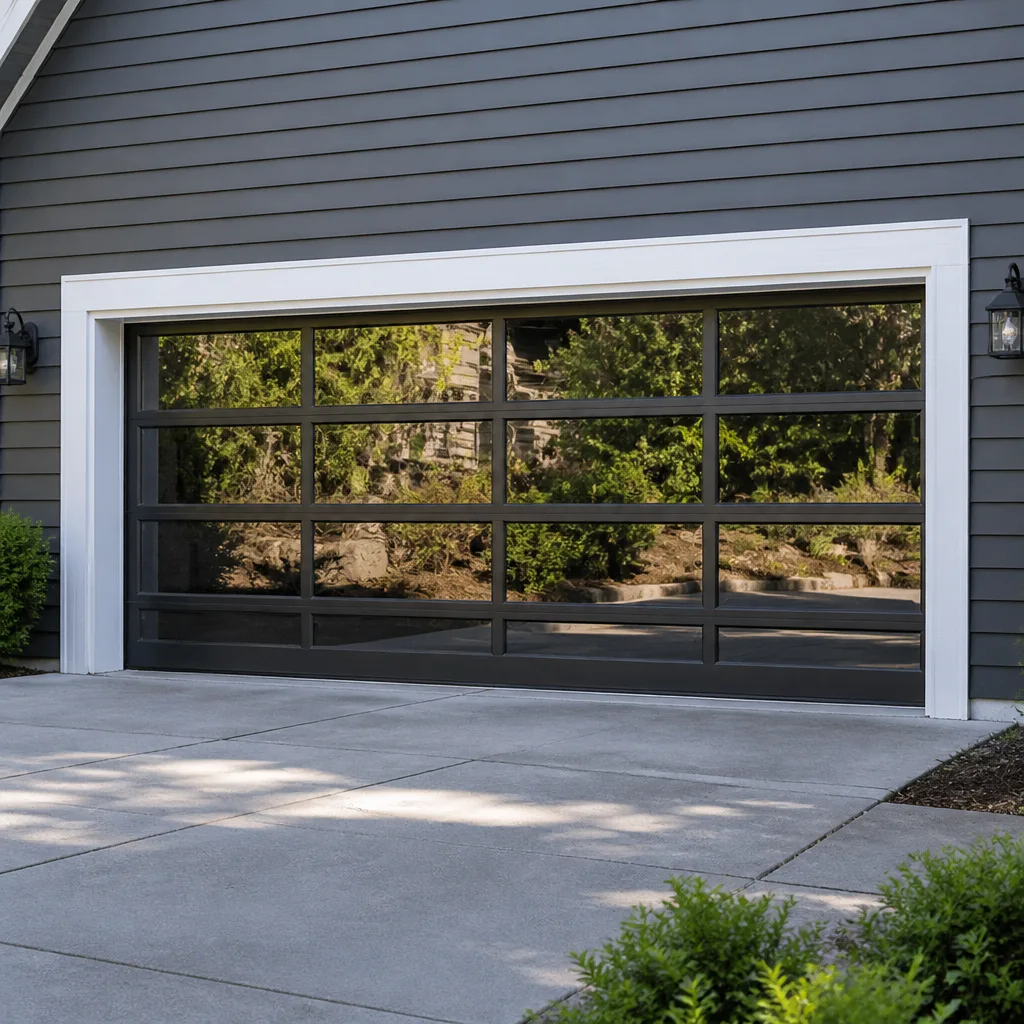 Full-view glass
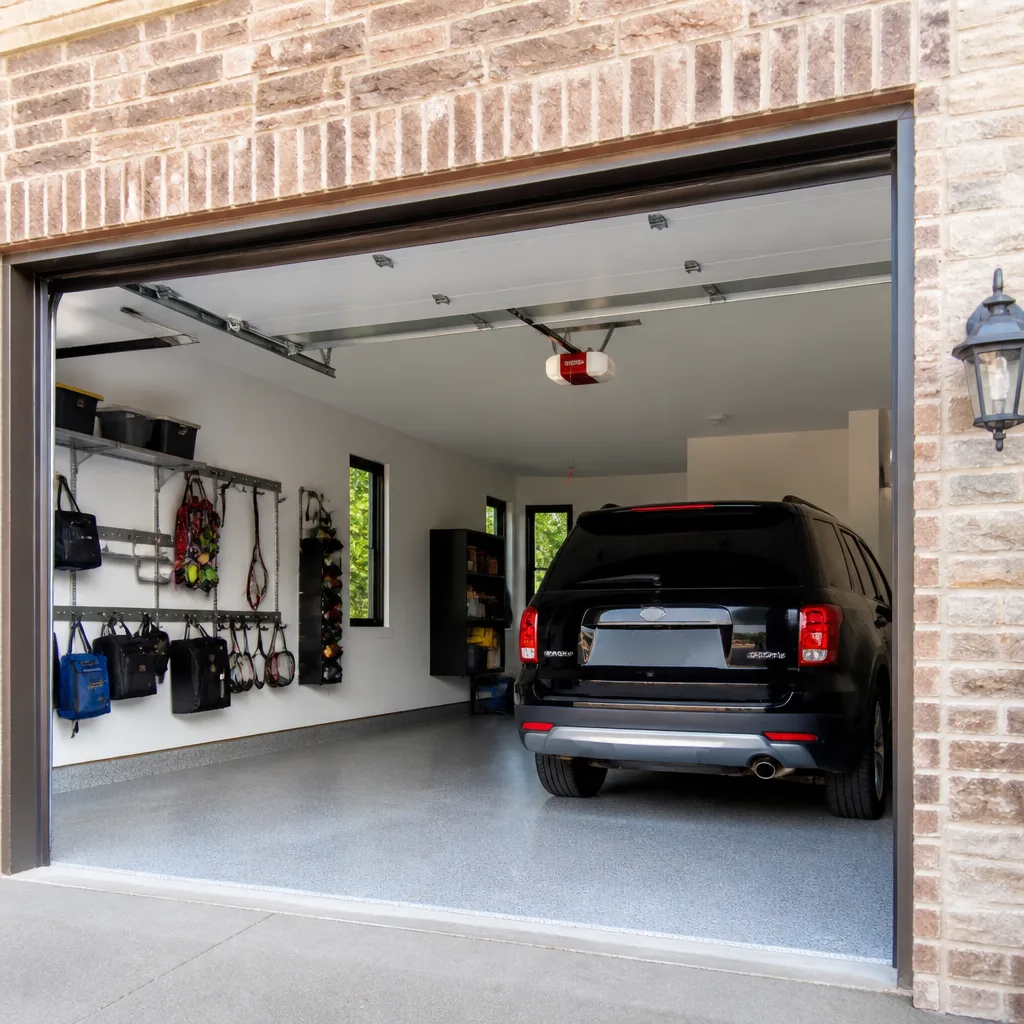 LiftMaster openers
 Chamberlain openers
Full 25-point door and opener safety check with every visit - springs, cables, rollers, tracks, and your LiftMaster or Chamberlain opener included
You get a price before we start. It does not change when the pro arrives.
Get your free estimateGarage Door Repair Maintenance Schedule: What to Do and When
Most maintenance checklists tell you to lubricate everything every six months. That’s wrong. Lubricating the wrong components actively causes damage. Spray lubricant on a garage door track and it grabs dust, grit, and pollen until the rollers start grinding along a sticky rail. The same goes for adjusting hardware that was never out of alignment. Garage door maintenance isn’t about doing a lot of tasks. It’s about doing the right four tasks at the right intervals, because over-lubricating and over-adjusting cause as many problems as neglect does. This guide lays out what actually degrades in an Edison garage and when, month by month, so you can skip the busywork and protect the parts that fail.
Quick Answer
A garage door needs four maintenance tasks done on schedule: a visual inspection and balance test every month, lubrication of the springs, hinges, and rollers every six months, a full hardware tightening and sensor check twice a year, and a professional service visit every 12 to 18 months. Track and panels should be cleaned, never lubricated. Everything else follows from those intervals.
Styles & brands we work with
- Raised-panel steel
- Carriage house
- Modern flush
- Full-view glass
- LiftMaster openers
- Chamberlain openers
Table of Contents
- What Actually Degrades, and When
- The Lubrication Map: What Needs It, What Doesn’t
- Month-by-Month in Edison: Freeze-Thaw vs. Summer Humidity
- How to Run the Balance Test Correctly
- Opener Maintenance by Drive Type: Belt, Chain, Screw
- The Maintenance Tasks That Protect Your Warranty
- What a Professional Annual Visit Covers
- When Maintenance Isn’t Enough
What Actually Degrades, and When
Garage door parts don’t wear at the same rate, and treating them as if they do wastes your time and money. In our experience across Edison homes, the real wear pattern follows a predictable curve. The torsion springs carry the full door weight and cycle thousands of times a year. They’re the part most likely to fail first, usually without warning. Rollers flatten and develop flat spots. Hinges dry out and squeak. Cables stretch and fray at the drum. Weather seals crack. The opener’s drive system and safety sensors drift out of adjustment slowly enough that you don’t notice until the door stops reversing or starts reversing for no reason.
Here’s the rough timeline for a residential door used a few times a day:
- Springs: the highest-wear component; lifespan depends on cycle count, not calendar time
- Rollers: nylon rollers last longer than steel; steel rollers develop flat spots and get noisy within a few years
- Hinges and pivot points: dry out and bind between six and twelve months without attention
- Cables: stretch slightly over time; fraying is the warning sign, not a schedule
- Weather seal: the bottom rubber cracks and hardens faster in cold winters and dry summers
- Sensors and opener drive: drift slowly; need a check every six months
The takeaway: your maintenance schedule should be driven by what’s wearing, not by a generic “check everything” list. That’s the principle behind everything we do at Edison Garage Door Service, and it’s what this schedule is built around.
The Lubrication Map: What Needs It, What Doesn’t
This is where most homeowners get it backwards. The garage door is not a machine that wants lubricant everywhere. It’s a mix of parts that need it, parts that need cleaning, and parts that should be left alone entirely.
Parts that need lubrication (every six months)
- Hinges and pivot points: use a lithium grease or a garage-door-specific spray. Apply a small amount at each hinge knuckle.
- Rollers: a light application on the roller bearings, not the roller surface. Nylon rollers usually need less than steel ones.
- Torsion springs: a thin coat along the coil reduces friction and noise. This is a look-and-spray job, not a hands-on job. More on that below.
- Lock and handle mechanisms (if you use a manual lock): a dry lubricant works better than oil here, since oil attracts grit into the keyway.
Parts that need cleaning, not lubricant
- Tracks: wipe with a damp cloth and mild detergent. No grease, no oil. Lubricant on a track is a dust magnet and the leading cause of a noisy, dragging door.
- Panels: wash with soap and water. Steel and aluminum panels don’t need wax or protective spray.
- Wooden doors (common on Clopay and Amarr wood-look and wood-construction products): clean, then apply a penetrating sealer or stain on the manufacturer’s recommended interval. This is cleaning plus protection, not lubrication.
- Safety sensors: wipe the lenses with a soft cloth. Don’t spray anything into the sensor housing.
Parts that need neither
- Opener rail: belt and screw rails are designed to run clean. Chain rails get a very light application of the manufacturer’s specified lubricant, not oil. Never grease a belt rail.
- Powder-coated and painted surfaces: leave them alone beyond a wash.
- Cables: never lubricate cables. It collects debris inside the strands and can hide fraying.
The honest rule: if a component moves by sliding along another surface, it probably wants to be clean. If it pivots or turns, it probably wants a small amount of lubricant. Get that distinction right and you’ll solve half of the maintenance noise complaints before they start.
Month-by-Month in Edison: Freeze-Thaw vs. Summer Humidity
Edison sits inland in Middlesex County, which means the garage door lives through real seasonal swings. Winter freeze-thaw cycles do things to metal hardware that summer never will. Summer humidity does things to wood and sensors that winter doesn’t. A maintenance schedule that ignores the seasons misses half the wear.
Late fall (November): winter prep
Before the first hard freeze, lubricate hinges, rollers, and springs. Check the bottom weather seal for cracks that will let cold air in and stiffen the rubber. Confirm the opener’s reverse function works – a sluggish opener in cold weather is often a sign of a dry hinge or a straining motor, not a failing unit. This is the one maintenance window worth prioritizing.
Winter (December through March): freeze-thaw watch
Repeated thaw-and-freeze cycles work metal hardware loose. Door hardware that was tight in October can rattle by February. Bolts and hinge screws loosen from the expansion and contraction, and the door can start hanging slightly off-square. This is when a quick visual check for loose hardware pays off. It’s also when dry, cold air hardens the bottom seal. Don’t adjust the springs during this period unless you know what you’re doing – the tension is under load, and the danger is real.
Spring (April through May): reset
Spring thaw is the time for the balance test and a full hardware tightening. Winter has just spent four months loosening things. The sensors deserve a wipe-down too, since winter grit and salt spray from the car can fog the lenses.
Summer (June through August): humidity watch
Summer humidity is the season of wooden door swelling. Clopay and Amarr wood and wood-composite doors can swell at the joints, bind slightly in the frame, and change how the door seats at the bottom. The sealer or stain needs to be in good shape to keep moisture out. Sensor lenses fog. Chain-driven openers can loosen slightly in the heat. This is the season to check the opener’s chain tension (if chain-driven) and to inspect any wooden surfaces for water damage near the bottom edge.
Fall (September through October): pre-winter check
Do the balance test once more. Clear debris from the tracks. Confirm the weather seal is intact before the cold starts. This is the window to schedule a professional visit so any small issues get handled before the difficult months.
For Edison homeowners, that’s a four-season rhythm: winterize in late fall, watch closely in winter, reset in spring, monitor wood and sensors in summer, and prep again in fall.
How to Run the Balance Test Correctly
The balance test is the single most useful maintenance diagnostic a homeowner can perform, and almost nobody does it correctly. When it fails, the assumption is usually “the springs are bad.” Sometimes that’s true. Often it isn’t. Here’s how to run it, and what a failed result actually means.
- Disconnect the opener. Pull the emergency release cord so the door is on manual operation. This is essential – an opener masking a bad balance will hide the problem.
- Raise the door by hand to roughly halfway open and stop.
- Let go. The door should stay in place or drift very slowly.
- Try again at a quarter-open and three-quarters-open.
- Lower it manually and check whether it descends smoothly without a sudden drop.
A door that stays put at the halfway point passes. A door that drops hard, rises on its own, or falls slowly at one point but not another has a balance problem, and the balance problem has a mechanical cause. It could be springs (most common), a cable that’s off its drum, a bent track, worn rollers binding on one side, or a hinge that’s pulled loose. Before assuming it’s the springs, look at the track alignment, the roller condition, and whether the door hangs square in the frame. A door that’s off-track on one side will behave like a spring failure during the balance test.
The safety note matters here: torsion springs are under extreme tension. If the balance test points to springs, do not adjust them yourself. A trained technician can diagnose and correct the tension safely and in one visit. This is the one repair in the whole schedule that genuinely carries injury risk.
Opener Maintenance by Drive Type: Belt, Chain, Screw
Most generic maintenance guides skip opener maintenance entirely, or treat all openers as if they run the same way. They don’t. Belt, chain, and screw drives have different service needs, and the common brands in Edison homes – LiftMaster and Chamberlain especially – each want specific attention. Our technicians have up to 9 years of experience working across Genie, LiftMaster, Chamberlain, and the rest, and the difference shows up here.
Belt drive
Belt drive openers are the quietest and need the least attention. Belts don’t need lubrication. The belt tension should be checked annually – too loose and the door hesitates at start; too tight and the motor strains. Wipe the belt occasionally with a dry cloth; never apply oil or grease, which shortens belt life.
Chain drive
Chain drives are the workhorses and the most common in homes with heavier doors. The chain needs a small amount of manufacturer-specified lubricant on the recommended interval – not oil, which collects dust and turns into a paste. Chain tension loosens over time and in summer heat. If the door starts jerking at open, the chain is usually too loose. Check it every six months.
Screw drive
Screw drives run a threaded rod through the trolley. They need the manufacturer’s specified grease on the screw, applied sparingly. Over-greasing a screw drive is a common mistake – it slings grease onto the rail and attracts grit. Check the grease film every six months and reapply only if it’s noticeably dry.
Universal opener maintenance
- Safety sensor alignment: check every six months. The two sensors should point at each other with the lenses clean. If the door reverses on its own, misaligned or dirty sensors are the first suspect.
- Force and travel limits: the opener’s force setting should allow the door to reverse easily on contact with an obstruction. Test this by placing an object in the door’s path and confirming it reverses.
- Battery backup (if equipped): check the indicator. LiftMaster and Chamberlain units typically have one.
- Smart-opener app connection: some systems lose their pairing after power interruptions and need to be re-linked.
The cheapest fix in this entire schedule is a sensor wipe-down and realignment. In our experience, a surprising share of “my door is broken” calls turn out to be a sensor knocked slightly out of alignment or fogged by summer humidity. That’s the kind of diagnostic our garage door opener repair team handles every week across Edison.
The Maintenance Tasks That Protect Your Warranty
Skipped maintenance can void a warranty on a newer door or opener, and most homeowners don’t find out until they try to file a claim. The specific tasks that matter depend on the brand and model, so the manufacturer’s documentation is the authority. We work with LiftMaster and Chamberlain units often enough to know the general pattern.
On openers, the warranty-relevant maintenance is typically:
- Lubricating the chain or screw on the manufacturer’s schedule (chain and screw drives)
- Keeping the safety sensors aligned and functional
- Keeping the force and travel limits within the manufacturer’s range
- Not modifying the opener or attaching it to a door outside its rated weight
On doors, warranty concerns usually revolve around:
- Annual inspection and lubrication of hinges and rollers
- Keeping the door within its weight rating
- Not skipping a professional service visit when the manufacturer recommends one
- Promptly repairing any visible track, cable, or spring damage
Clopay and Amarr wood and composite doors also carry finish-warranty conditions tied to sealing and staining on the manufacturer’s schedule. Miss a refinish interval and the finish warranty may not cover cracking or water damage later.
The practical version: keep a simple log of your maintenance, note any professional service, and follow the manufacturer’s documentation. If you’re not sure what applies to your brand, a service visit from a technician who works with LiftMaster, Chamberlain, Genie, and the rest can sort it out in a single call. That’s the kind of brand-fluent service Edison Garage Door Service was built around.
What a Professional Annual Visit Covers
Homeowner maintenance and a professional service visit cover different things. The annual visit goes deeper and catches issues the visual checks can’t. Here’s what a thorough annual service includes:
- Spring tension check: tested at the correct points, with the door safely on manual operation.
- Cable inspection: fraying, corrosion, and drum alignment checked at both sides.
- Roller condition: flat spots, worn bearings, and any binding rollers replaced.
- Hinge and pivot tightening: bolts re-torqued to correct spec.
- Track alignment: checked for bends, out-of-square sections, and tight spots.
- Opener drive inspection: chain, screw, or belt condition and tension per the manufacturer’s spec.
- Safety reverse test: force and travel limits confirmed.
- Weather seal: condition checked and replaced if cracking.
- Panel and hardware inspection: for cracks, corrosion, or loosening.
- Balance test: confirmed by the technician on manual operation.
Scheduling this visit once every 12 to 18 months, ideally in early fall before the freeze-thaw season, keeps the door out of the “urgent breakdown” category. If you have a wooden door, a LiftMaster opener with smart features, or a door that’s on the heavy side, the annual visit is worth doing every year rather than every 18 months.
When Maintenance Isn’t Enough
Maintenance keeps a healthy door healthy. It doesn’t rescue a door that’s already failed. The signs that you’ve crossed from maintenance into garage door repair territory:
- A snapped spring (the door won’t lift by hand or won’t open at all)
- A cable that’s visibly frayed, off the drum, or hanging loose
- A door that’s visibly off-track or won’t close fully
- An opener that runs but doesn’t move the door
- Repeated sensor trips that don’t resolve with cleaning and realignment
- A door that’s hanging visibly uneven in the frame
Any of those should stop being a DIY project immediately. Springs and cables are under high tension and a failure during handling can cause serious injury – this is the point where calling a professional is not caution, it’s the correct answer. Same-day repair is available for many of these failures, and it’s often cheaper than trying to live with the problem for a season.
Common Mistakes to Avoid
- Lubricating the tracks. Grease on a track turns it into a dust magnet. Wipe tracks clean; never spray them.
- Over-lubricating hinges and rollers. A small amount is right. More lubricant doesn’t mean better performance – it means more grit buildup and more frequent cleaning.
- Adjusting springs without knowing the tension. This is the single most common cause of serious injury in garage door maintenance. Springs are a professional-only job.
- Skipping the balance test because the opener “works fine.” An opener can mask a failing spring for weeks. Test the door on manual operation at least monthly.
- Ignoring the bottom weather seal in Edison’s freeze-thaw climate. A stiff, cracked seal lets cold air and moisture in, and moisture at the bottom edge is where wooden doors start to rot.
- Treating all opener drives the same. Greasing a belt drive, over-greasing a screw drive, or oiling a chain instead of using the manufacturer’s specified lubricant are all common errors that shorten life.
- Assuming every brand needs the same maintenance. LiftMaster and Chamberlain smart openers, Genie chain drives, and Wayne Dalton doors all have different service intervals in their documentation – follow the manufacturer’s spec, not a generic online checklist.
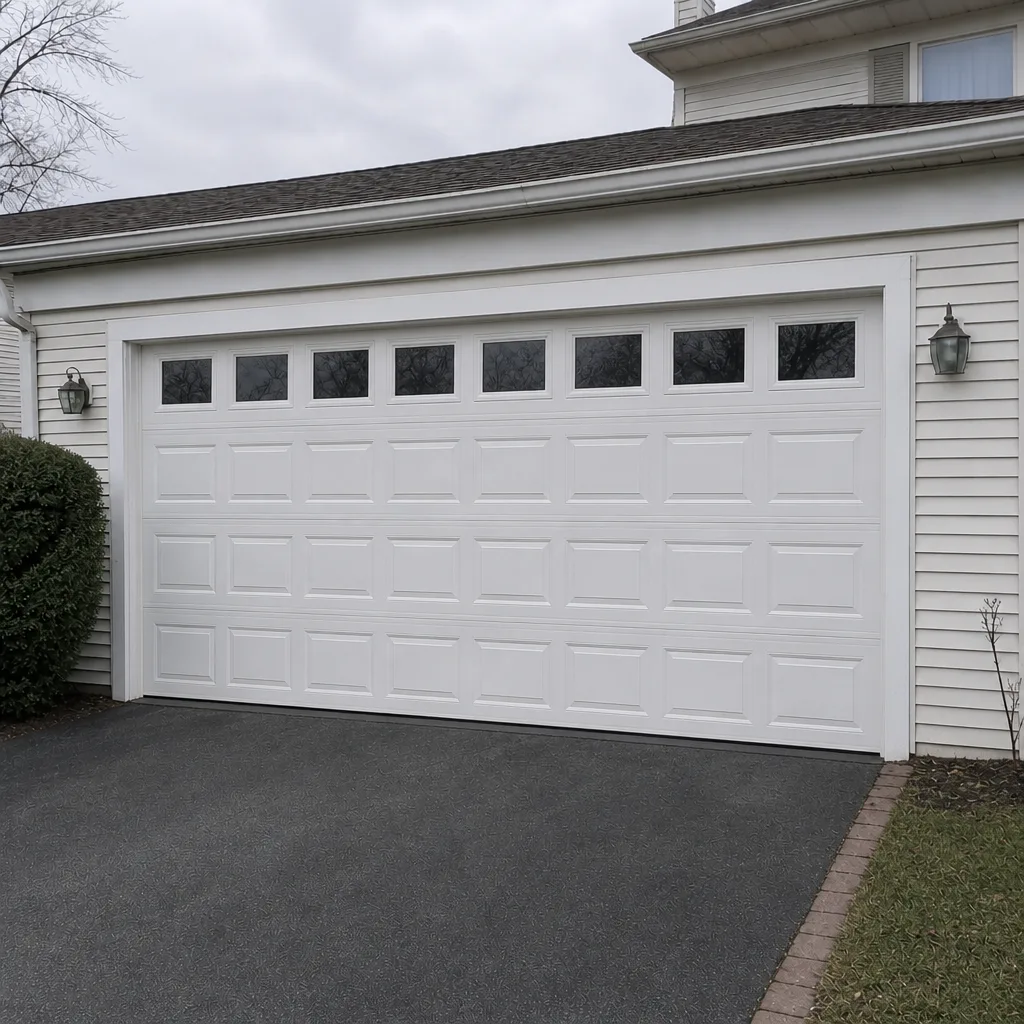
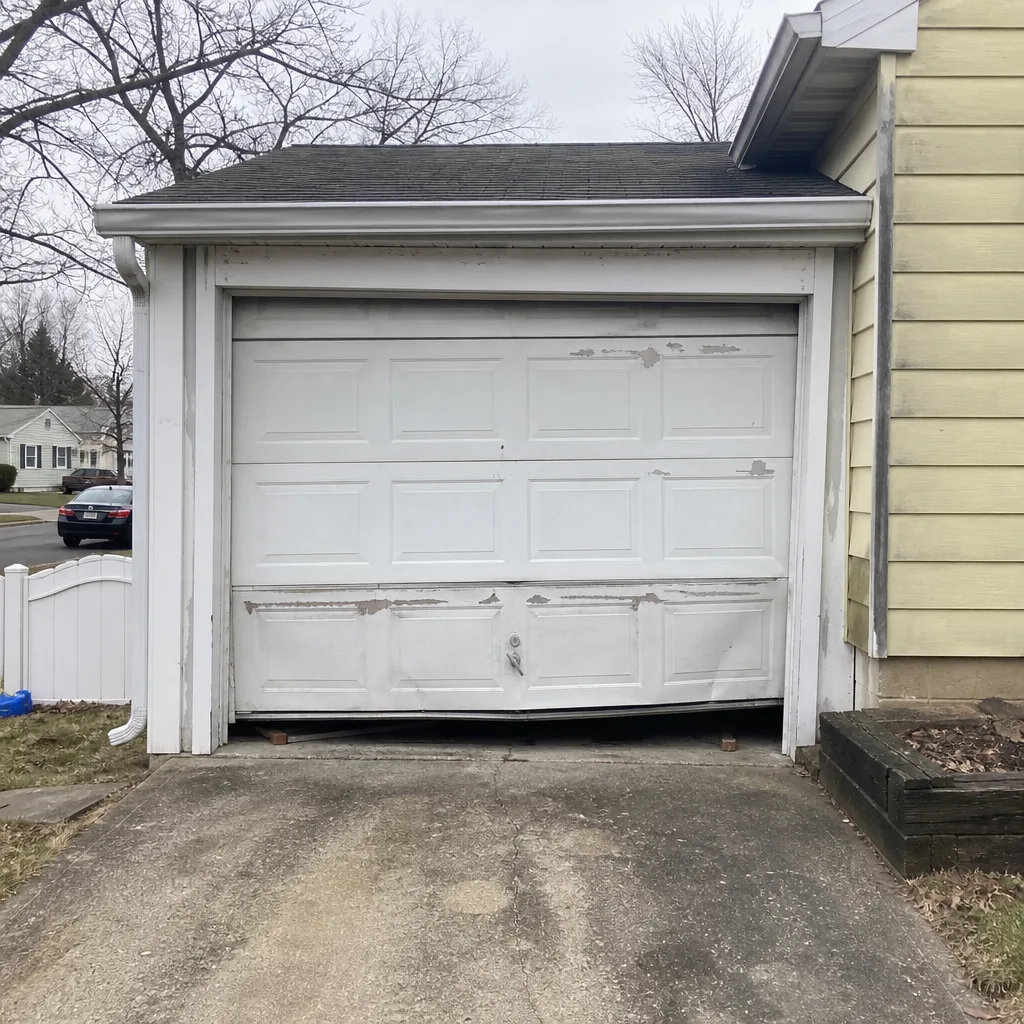
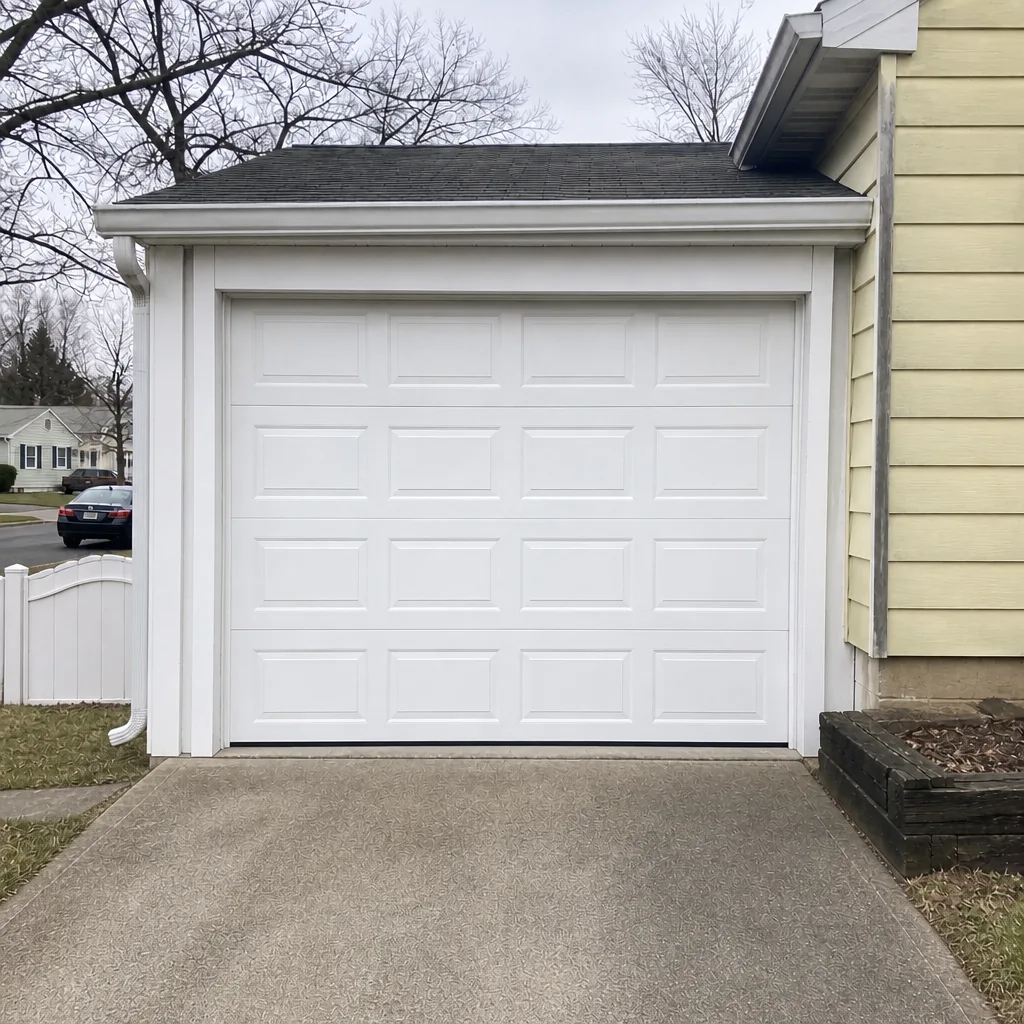
See the difference
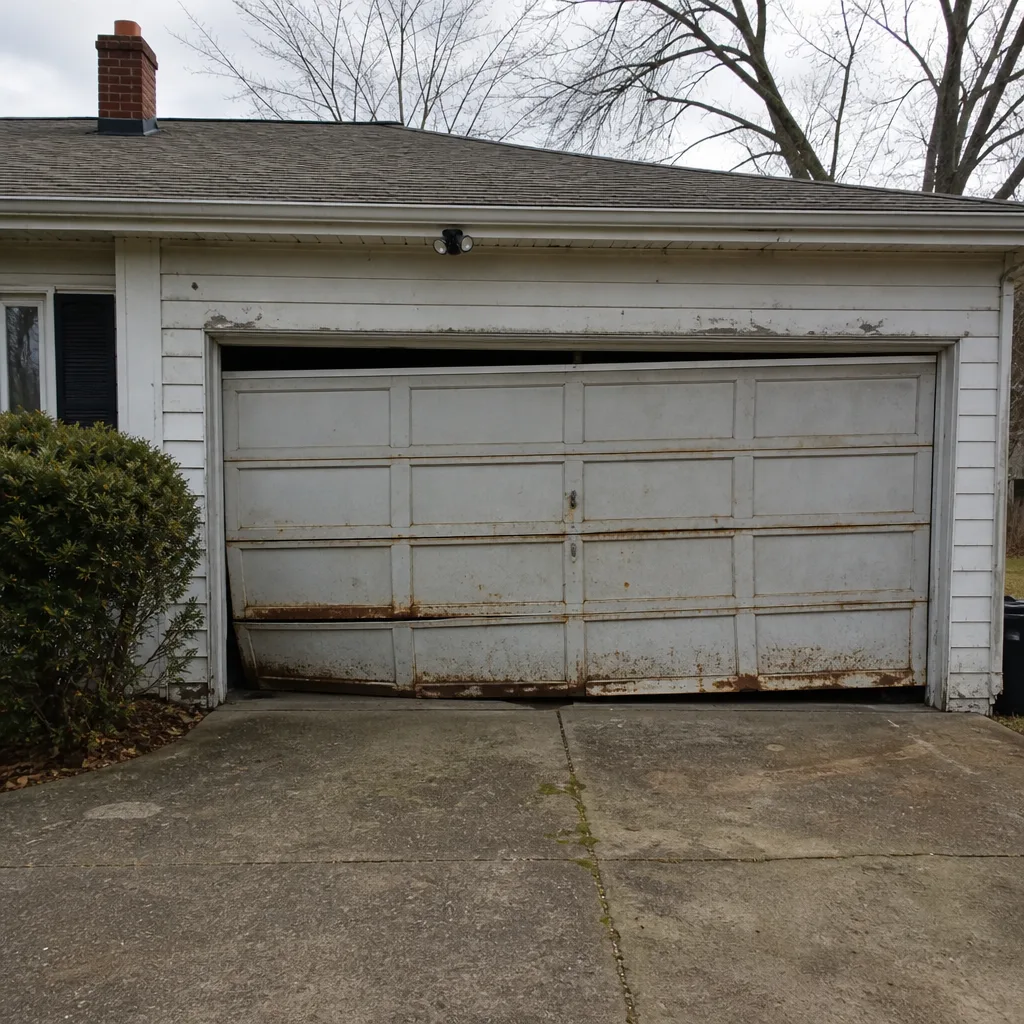 Before
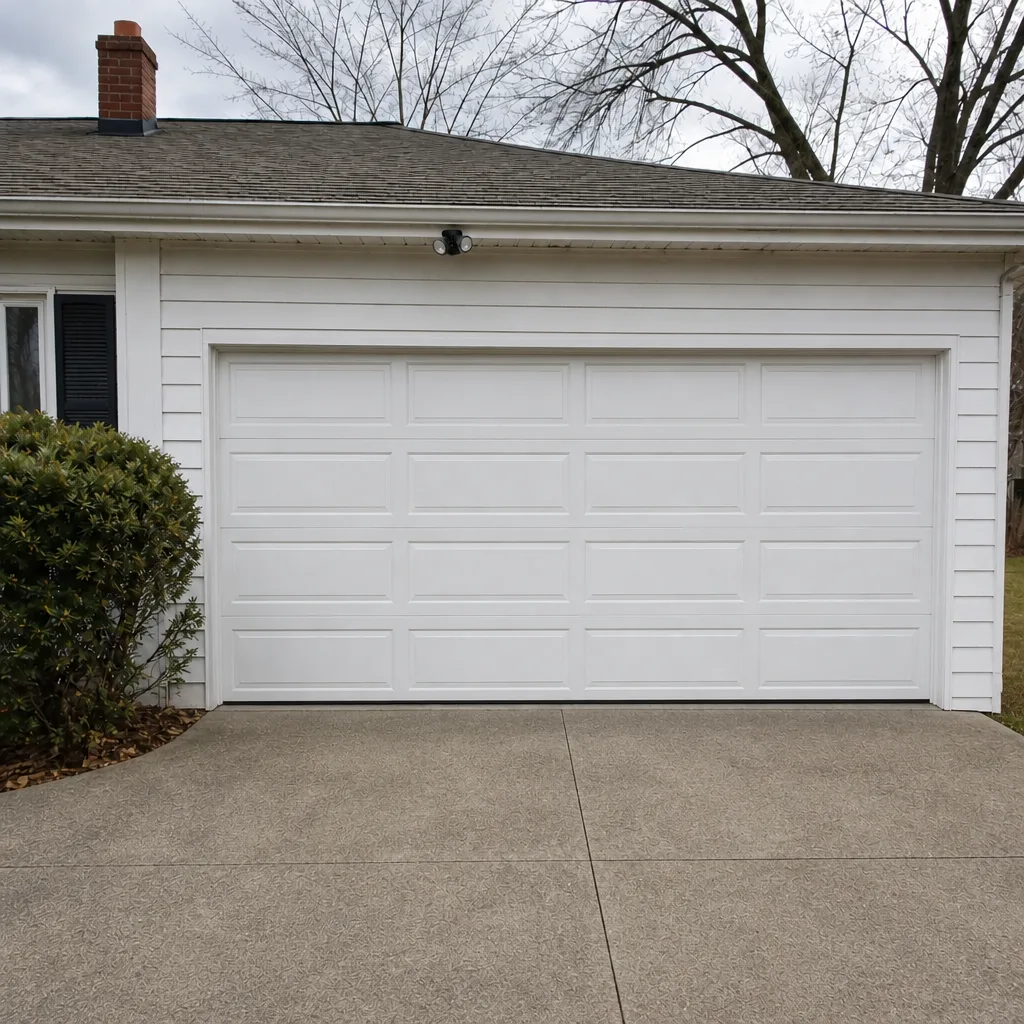 After
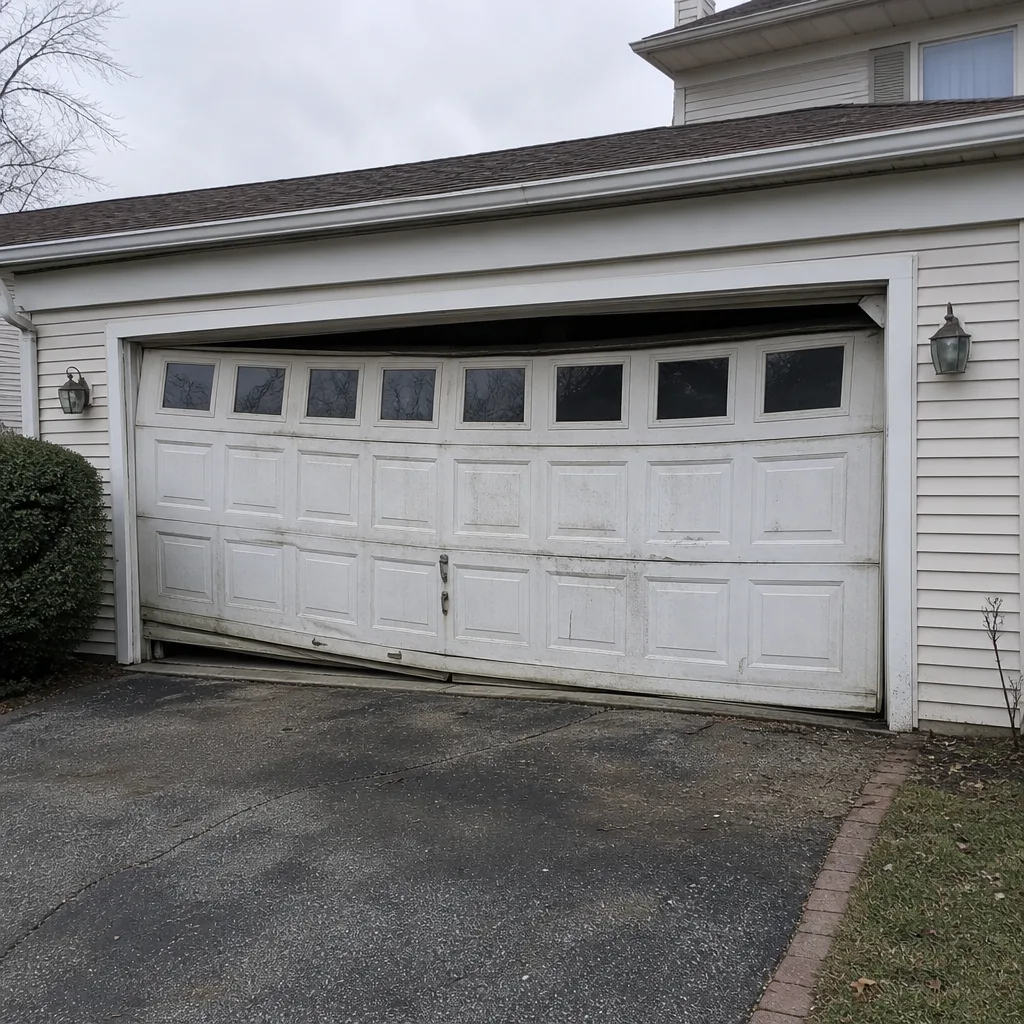 Before
 After
 Before
 After
When to Call a Professional
Some maintenance tasks are homeowner work. Others are not. Call a professional if the door won’t lift by hand, if a spring or cable has snapped, if the balance test fails on a newer door, if the opener runs but the door doesn’t move, if the safety sensors keep tripping after cleaning and realignment, or if you hear a loud bang from the garage and the door stops working. Also call if the door has been in service for more than 12 months without any lubrication and tightening, and if you want the annual service documented for warranty purposes. Edison Garage Door Service offers free estimates in Edison – call (877) 471-0219. We answer 24/7. Fast dispatch from 7am to 7pm, Sunday through Friday.
Frequently Asked Questions
Every six months for hinges, pivot points, and roller bearings. Springs get a thin coat every six months as well. Tracks and panels should be cleaned, never lubricated. Opener drive components follow the manufacturer’s schedule – belt drives typically need no lubrication, and chain and screw drives need the manufacturer’s specified lubricant on their own interval.
Lubricant on the tracks. A homeowner sprays silicone or WD-40 on the track to quiet a squeaky door, and within a few weeks the track has collected grit and the rollers are grinding. Wipe the tracks clean with a damp cloth instead. If the door is still loud, the problem is usually a worn roller or a loose hinge, not a lack of lubrication.
No. Belt, chain, and screw drives each have different service needs, and the manufacturers differ in their recommended intervals. LiftMaster and Chamberlain openers generally track the drive-type specs closely, and Genie drives and smart features have their own service notes. The manufacturer’s documentation is the authority for your specific model. A technician familiar with your brand can sort it out in one visit.
Monthly balance tests, visual inspections, sensor wipe-downs, and six-month lubrication are all homeowner-friendly. Anything involving spring tension, cable replacement, or track realignment is not. Springs and cables are under extreme tension – a failure during handling is a genuine injury risk. Call a professional for anything past the visual-and-lubricate tier.
It can. Many door and opener manufacturers tie warranty coverage to maintenance documented on their schedule, and some wood and composite door finishes have their own conditions. Keep a log and follow the manufacturer’s documentation. If you’re not sure what applies to your brand, a service visit from a brand-fluent technician can clarify it and document the work.
Call for repair when the door won’t lift, a spring or cable has failed, the door is visibly off-track, the opener runs without moving the door, or the sensors keep tripping after a cleaning and realignment. Those are repair problems, not maintenance ones. Maintenance keeps a healthy door healthy; repair fixes a door that’s already failed. Call (877) 471-0219 for a free estimate. We answer 24/7. Fast dispatch from 7am to 7pm, Sunday through Friday.
The Bottom Line
The right maintenance schedule is smaller and more focused than most checklists suggest. Label the parts that need lubricant (hinges, rollers, pivot points, springs) separately from the parts that need cleaning (tracks, panels, sensor lenses) and the parts that need nothing (belt rails, cables, powder-coated surfaces). Lubricate every six months, clean as needed, balance-test monthly, tighten twice a year, and book a professional visit every 12 to 18 months. Match that to Edison’s seasons – winterize in late fall, reset in spring, watch wood and sensors in summer – and you’ll spend less time maintaining your door and more years with it working properly. When something goes wrong anyway, call (877) 471-0219 for a free estimate. We answer 24/7. Fast dispatch from 7am to 7pm, Sunday through Friday.
Written by the team at Edison Garage Door Service.